
What Is an Annual Fee? How Credit Card Annual Fees Work
An annual fee is a flat yearly charge a card issuer applies to keep your credit card account open. It's separate from interest, late fees, foreign transaction fees, balance transfer fees, and over-the-limit fees — a true membership cost. Annual fees range from $0 (most starter and credit-builder cards) to $695+ (top-tier travel rewards cards), and figuring out whether one is worth paying is one of the most common questions in personal finance.
How an Annual Fee Is Charged
The annual fee posts to your statement once per year, typically on or near your account anniversary. Unlike a purchase, it doesn't get the same interest-free grace period treatment if you carry a balance. For most cards, the fee is charged on the cardholder's first statement and then again every twelve months. It shows up as a single line item — "Annual Membership Fee" or similar — and is added to your statement balance, which means you can either pay it in full like any purchase or let it carry interest if you don't pay it off (don't — it's not worth the APR drag, and only the minimum payment is required to stay current).
If you cancel the card within 30 to 45 days of the annual fee posting, most issuers will refund it pro rata or fully. Beyond that window, the fee is generally non-refundable.
Why Issuers Charge Annual Fees
Annual fees fund three different value buckets:
- Underwriting risk. Cards aimed at people with limited or rebuilding credit often charge a small annual fee ($25–$75) to offset the higher loss rates issuers expect from a less-established customer base. The Self Visa® Credit Card, for example, charges a $25 annual fee starting in year two but waives it in year one.

- Premium rewards programs. Mid-tier and premium cards bundle airport lounge access, hotel status, statement credits, and points multipliers that effectively pay for the fee if you actually use them.
- Sub-brand differentiation. Issuers use annual fees to segment their lineup so you can self-select between a no-fee starter card and a high-fee rewards card.
If the fee covers underwriting risk, the value is the access to credit itself — there are no perks. If it covers rewards, you're paying for benefits you have to use to break even.
The Aspire Mastercard is a clear example of the underwriting-risk bucket: it is an unsecured card built for applicants with limited or rebuilding credit, so the annual fee it carries is the price of approval without a security deposit. If you cannot float a deposit and want a genuine unsecured line, that trade can be reasonable.
Aspire® Cash Back Rewards Mastercard

Aspire® Cash Back Rewards Mastercard
Aspire® Cash Back Rewards Mastercard. Prequalify* For Up To $1000 Credit Limit. No security deposit. Packed with great benefits, it’s designed to give you more flexibility—and purchasing power—along with up to 3% cash back rewards!** Good anywhere Mastercard is accepted, it’s the go-to card for any lifestyle.
Standout feature
Up to 3% cashback rewards**
Fees
$85–$175 first year, $229 thereafter (maintenance fees already included)
Pros
No Deposit Required. Prequalify* for up to $1000 credit limit
Cons
High APR, 36% Fixed.
When an Annual Fee Is Worth It
Whether an annual fee is worth paying comes down to honest math:
- Add up the value you'll actually use. Statement credits, free checked bags, lounge passes, anniversary points — only count what you'll redeem in the next 12 months.
- Subtract the annual fee. If the net is positive, the card pays for itself.
- Be realistic about behavior. A $300 travel credit is only worth $300 if you would have spent $300 on travel anyway. If you wouldn't, treat the credit as worth less.
- Factor in opportunity cost. A $0 cash-back card paying 2% on every purchase will out-earn a $95 fee card unless the rewards on the fee card are meaningfully higher in your spending pattern.
For most credit-builders, an annual fee is a fair price to pay if the card reports to all three bureaus, has reasonable terms, and accepts your application when other issuers don't. The OpenSky secured card, for example, charges an annual fee but is approachable for applicants with thin or damaged credit and reports to all three bureaus.
If you don't need premium perks and you're focused on credit building, no-fee options are widely available. The Current Build Card charges $0 annual fee with no credit check and no minimum deposit, while the Kikoff Secured Credit Card offers no-fee secured-credit access tied to a checking-style account.
Current Build Card
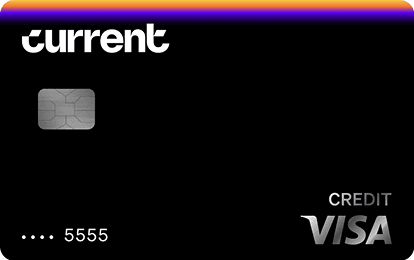
Current Build Card
$0 annual fee. No minimum deposit required. No credit check required. 1 point per dollar on eligible categories. Reports to Experian, TransUnion, Equifax.
Fee
$0
APR
0%
Minimum Deposit Amount
$0
Credit Check
No
Cashback
1 point/dollar on eligible categories (with qualifying payroll deposit)
Benefit
No credit check, no deposit minimum
How to Avoid an Annual Fee
Three ways to never pay an annual fee:
- Choose a no-fee card. Most major issuers (Discover, Capital One, Wells Fargo, Citi) offer at least one rewards card with a $0 annual fee. Cash-back, travel, and balance-transfer no-fee variants are all available.
- Downgrade an existing card. If you have a fee card you no longer need, call the issuer and ask to "product-change" or "downgrade" to a no-fee version of the same card. You usually keep your account history (good for credit age) and your credit limit — you just stop paying the fee.
- Cancel within the refund window. Most issuers refund the annual fee if you close the account within 30–45 days of the fee posting. Closing a card hurts your credit utilization and average age, so this is a last resort, not a first one.
How to Negotiate an Annual Fee Down
Issuers want to keep paying customers, so they often discount the fee on request — especially if you've used the card for a while. The script:
- Call the customer-service number on the back of the card.
- Say: "I'm reviewing my cards and trying to decide whether to keep this one. The annual fee is the main reason I'm considering closing."
- Ask: "What retention offers do you have for me — a fee waiver, partial refund, or bonus points to offset the fee?"
- Wait for the offer. If they decline, you can ask once more or downgrade to a no-fee card.
Issuers most likely to waive or discount: Citi, Bank of America, Wells Fargo. Issuers that almost never waive: Chase, American Express (though both routinely offer statement-credit retention bonuses).
Annual Fee vs. Other Fees
Don't confuse the annual fee with these other costs:
- Monthly fee — charged every month rather than annually. Common on credit-builder loans and some neobank accounts.
- Membership fee — some retailers (Costco, Sam's Club, Super.com) charge a membership fee separately from the card; the card itself may have $0 annual fee.
- Account-opening fee — a one-time fee charged at signup. The Self Visa® Credit Card has historically charged a one-time setup fee separate from the annual fee.
- Inactivity fee — a charge applied when an account has no activity for an extended period. Rare on major-issuer credit cards; sometimes used on prepaid cards.
- Authorized user fee — a per-user annual fee for adding additional cardholders, common on premium travel cards.
Read the Schumer Box (the standardized fee disclosure on the card application) to see every fee before you apply. If a card lists multiple recurring fees, add them all together to get the real annual cost.
Frequently Asked Questions
Is the annual fee charged in advance or at the end of the year?
Almost always in advance. Most issuers charge the annual fee on your first statement and then on each anniversary statement after that. You're paying for the upcoming 12 months of cardmembership, not the previous 12.
Can I cancel a credit card to avoid paying the annual fee?
Yes, but timing matters. If you cancel within 30 to 45 days of the annual fee posting, most issuers refund the fee. Closing later means losing the fee and possibly hurting your credit score — closing reduces your total available credit, which can spike utilization, and removes the account from your average age of accounts.
Are credit card annual fees tax-deductible?
For personal cards, no. For business credit cards used exclusively for business expenses, the annual fee is generally tax-deductible as a business expense. Mixed-use cards complicate the math — talk to a tax professional or use bookkeeping software to allocate properly.
Why do some cards waive the annual fee in year one?
Issuers waive year-one fees as an acquisition incentive. The first year is a low-commitment trial that gives you time to use the rewards and decide whether the perks justify the fee in year two. Treat the first-year waiver as a discount, not a permanent feature — set a calendar reminder to evaluate the card before the second year's fee posts.
Related Reading




