Most credit cards for bad credit make you put down a deposit. The Aspire® Cash Back Rewards Mastercard skips the deposit entirely, gives you a credit limit between $350 and $1,000, and actually pays cash back. That sounds like a great deal on paper, but the fee structure gets more expensive in year two. This review breaks down the real numbers so you can decide if it's the right card for you. If you're cross-shopping no-deposit subprime cards, our OpenSky vs. Aspire comparison walks through which one wins on fees, rewards, and approval odds for bad-credit applicants.
Aspire® Cash Back Rewards Mastercard at a Glance
| Feature | Details |
|---|---|
| Annual Fee (Year 1) | $85–$175 |
| Annual Fee (Year 2+) | $49/year + up to $15/month maintenance fee |
| APR | 29.99%–36.00% fixed |
| Cash Back | 3% on gas, groceries & utilities; 1% on all other purchases |
| Credit Limit | $350–$1,000 |
| Security Deposit | None |
| Credit Check | Soft pull to prequalify; hard pull to apply |
| Credit Bureau Reporting | All 3 bureaus (Equifax, Experian, TransUnion) |
| Minimum Credit Score | 300+ (bad credit accepted) |
Terms and conditions apply. APRs vary by creditworthiness.
Aspire® Cash Back Rewards Mastercard

Aspire® Cash Back Rewards Mastercard
Aspire® Cash Back Rewards Mastercard. Prequalify* For Up To $1000 Credit Limit. No security deposit. Packed with great benefits, it’s designed to give you more flexibility—and purchasing power—along with up to 3% cash back rewards!** Good anywhere Mastercard is accepted, it’s the go-to card for any lifestyle.
Standout feature
Up to 3% cashback rewards**
Fees
$85–$175 first year, $229 thereafter (maintenance fees already included)
Pros
No Deposit Required. Prequalify* for up to $1000 credit limit
Cons
High APR, 36% Fixed.
How the Cash Back Rewards Work
The Aspire card pays 3% cash back on gas, groceries, and utility bills, and 1% on everything else. For people rebuilding credit who spend heavily in these categories, that's a meaningful return.
For example, if you spend $300/month on groceries and $150/month on gas, you'd earn roughly $162/year in cash back at 3%. That partially offsets the annual fee in year one. In year two, the math gets tighter since the effective annual cost can reach $229 if you're charged the full monthly maintenance fee.
Cash back is credited to your statement. There are no rotating categories to track and no caps on how much you can earn.
Understanding the Fee Structure
This is the most important section of this review. The Aspire card has a two-phase fee structure that surprises many cardholders.
Year 1: Annual fee of $85–$175. The exact amount depends on your creditworthiness. No monthly maintenance fee in the first year.
Year 2 and beyond: The annual fee drops to $49, but Aspire adds a monthly maintenance fee of up to $15/month ($180/year). That means your total cost in year two could be up to $229.
This is a real cost. Before you keep this card long-term, make sure the credit-building benefits and cash back earnings outweigh the fees you're paying. For more on how secured and unsecured card costs compare, see our guide to secured vs. unsecured credit cards.
As of April 2026, Aspire charges fees as described above. Always verify current terms on Aspire's website before applying.
APR: Never Carry a Balance on This Card
The Aspire Mastercard has a fixed APR of 29.99%–36.00%. That is very high. If you carry a $500 balance at 36% APR, you'll pay roughly $180 in interest per year, on top of the annual and maintenance fees.
This card is best used as a tool to build credit, not as a way to borrow money. The strategy is simple: make small purchases each month, pay the full balance before the due date, and let the on-time payment history do the work. Understanding your credit score ranges can help you set realistic targets as your score improves with responsible use.
If you think you might carry a balance, look at lower-APR alternatives before applying.
Who Is the Aspire Card Best For?
The Aspire Mastercard is a solid fit for a specific type of person:
- People with bad credit (300–579 FICO) who cannot qualify for most unsecured cards
- Those who want to avoid a security deposit and don't have $200–$500 sitting around
- Frequent gas and grocery shoppers who can offset fees with the 3% cash back
- Disciplined payers who will pay in full every month and avoid interest
It's not a good fit if you tend to carry a balance, if you want low fees, or if your credit is fair or good (600+) and you can qualify for better cards. If you're still deciding whether to go secured or unsecured, our secured vs. unsecured credit card guide breaks down the tradeoffs.
Aspire® Pros and Cons
Pros:
- No security deposit required
- Accepted with bad credit (300+ FICO)
- 3% cash back on gas, groceries, and utilities
- Soft pull to prequalify (no impact on your credit score)
- Reports to all 3 major credit bureaus
- Credit limits up to $1,000
Cons:
- Year-two fees can total up to $229/year
- APR is very high (29.99%–36.00%)
- Monthly maintenance fee starts in year two
- No rewards on most spending categories beyond the 3% tiers
- $350 minimum credit limit is low for everyday use
Aspire® Cash Back Rewards Mastercard
Aspire® Cash Back Rewards Mastercard
Aspire® Cash Back Rewards Mastercard. Prequalify* For Up To $1000 Credit Limit. No security deposit. Packed with great benefits, it’s designed to give you more flexibility—and purchasing power—along with up to 3% cash back rewards!** Good anywhere Mastercard is accepted, it’s the go-to card for any lifestyle.
Standout feature
Up to 3% cashback rewards**
Fees
$85–$175 first year, $229 thereafter (maintenance fees already included)
Pros
No Deposit Required. Prequalify* for up to $1000 credit limit
Cons
High APR, 36% Fixed.
How to Prequalify Without a Hard Inquiry
Aspire offers a prequalification tool that uses a soft credit pull. This means you can check if you're likely to be approved without any impact on your credit score. To learn more about how soft and hard pulls differ, see our guide on soft vs. hard credit checks.
Here's how the Aspire prequalification process works:
- Go to the Aspire website and click "Check for Offers"
- Enter basic personal info (name, address, last 4 of SSN)
- See personalized offers in seconds
- If you like what you see, complete the full application (this triggers a hard pull)
Prequalification is not a guarantee of approval, but it gives you a good signal before committing to a hard inquiry.
How Aspire Compares to Alternatives
Before applying, it's worth comparing Aspire to two common alternatives for bad credit borrowers.
Aspire vs. Perpay Mastercard
The Perpay Mastercard is also an unsecured card for bad credit. Perpay has no annual fee but works through a shop-pay-now model and limits where you can spend. Aspire gives you more spending flexibility and cash back rewards, but charges higher fees. If keeping costs to zero is your priority, Perpay may be worth considering. If you want a general-purpose card with cash back, Aspire has the edge.
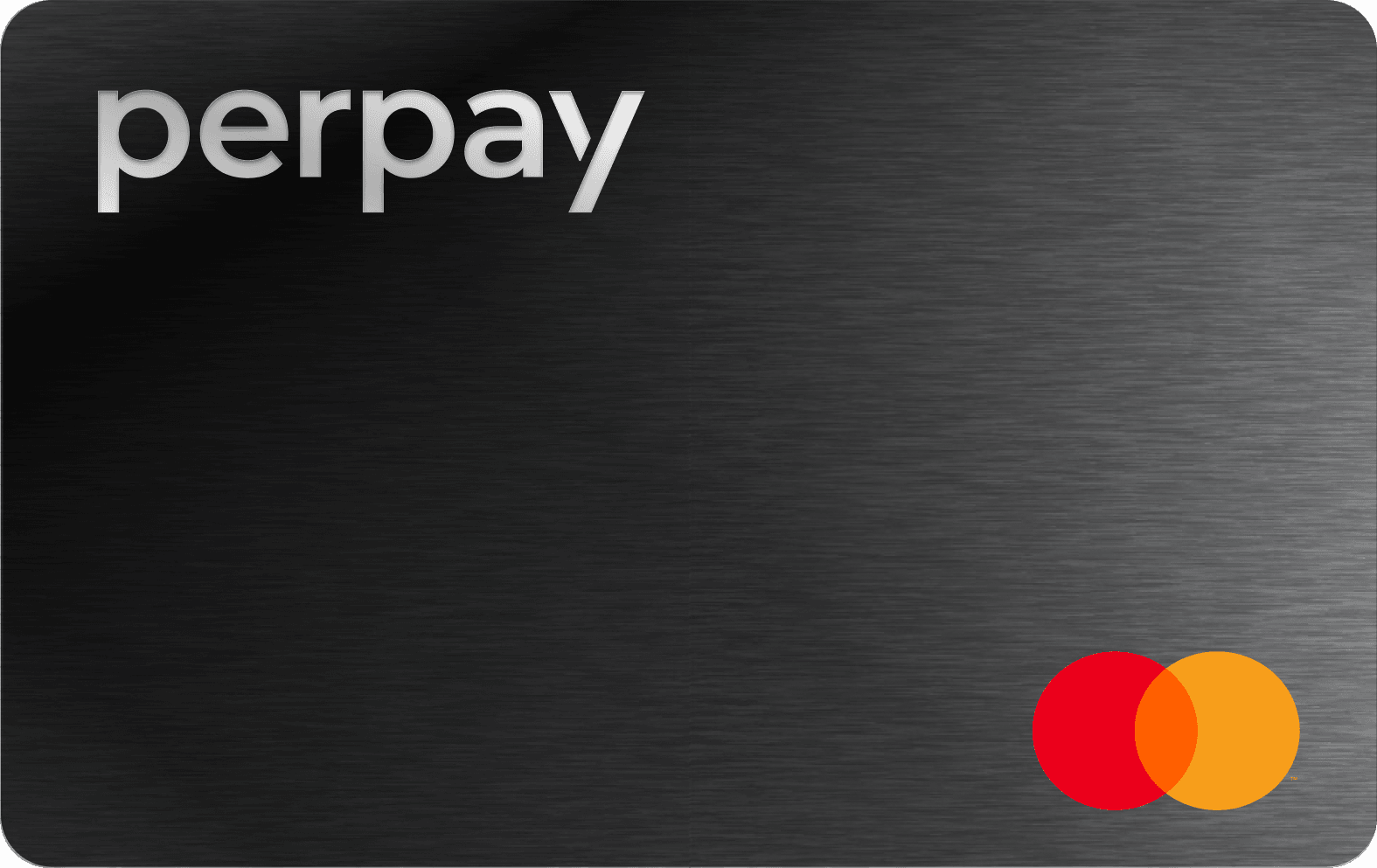
Perpay Credit Card
Perpay Credit Card
Meet the only card powered by your paycheck. With automatic transfers from your paycheck, you can manage payments stress-free and build credit with ease.
Fee
$9/month plus $9 account opening fee
APR
Marketplace: 0% / Credit Card: 27.74% to 29.99% depending on your creditworthiness.
Minimum Deposit Amount
$0
Credit Check
No
Cashback
2% reward on purchases made in Perpay Marketplace
Benefit
2% rewards, no security deposit
Aspire vs. Self Visa® Credit Card
The Self Visa® Credit Card is a secured card that starts with a Credit Builder Account. You build savings, then unlock a secured card. The annual fee is much lower and the process builds credit while saving money. The downside is it takes 3+ months to get the card and requires a deposit of sorts (into your own account). Aspire gets you an unsecured card faster with no deposit, which is why some people prefer it despite the higher fees. Read our full Self Credit Builder Card review to see how it compares in detail.
APRs and fees vary. Always compare current terms before applying.

Our Verdict
Rating: 3.5 / 5
The Aspire® Cash Back Rewards Mastercard earns its place as one of the better unsecured credit cards for bad credit. The 3% cash back on gas, groceries, and utilities is genuinely competitive, and the no-deposit requirement is a real advantage for people who are cash-strapped.
The catch is the fee structure. Year one is manageable. Year two can cost you up to $229 if you're hit with the full monthly maintenance fee. If you plan to keep this card long-term, make sure you're earning enough cash back to justify those costs. For another angle on how Aspire stacks up against its closest no-deposit competitor, read our OpenSky vs. Aspire bad-credit card showdown.
Our recommendation: Use the Aspire card to rebuild your credit for 12–18 months, pay in full every month to avoid the high APR, and then reassess. Once your score climbs into the fair-to-good range, better cards with lower fees become available. For strategies to get there faster, see our guide on how to build credit with a credit card.
Frequently Asked Questions
Does the Aspire Mastercard require a security deposit?
No. The Aspire® Cash Back Rewards Mastercard is an unsecured card. You do not need to put down a deposit to open the account. Your credit limit ($350–$1,000) is set based on your creditworthiness. For more on the difference, see our secured vs. unsecured credit card guide.
What credit score do you need for the Aspire card?
Aspire accepts applicants with bad credit, generally defined as a FICO score of 300 or higher. You can use the prequalification tool to check your approval odds without affecting your credit score. For a breakdown of score tiers, see our credit score ranges guide.
Does Aspire report to all three credit bureaus?
Yes. Aspire reports to Equifax, Experian, and TransUnion. This means your on-time payments will help build your credit history across all three bureaus, which is important for improving your score. Learn more about why bureau reporting matters in our guide on credit builder secured credit cards.
How much is the monthly maintenance fee?
In year two and beyond, Aspire may charge a monthly maintenance fee of up to $15/month ($180/year), in addition to a $49 annual fee. In year one, there is no monthly maintenance fee. As of April 2026, these are the published fee ranges. Check Aspire's website for your specific offer terms.
Can I upgrade to a better card after using Aspire?
Aspire does not advertise an automatic upgrade path. However, using any credit card responsibly (paying on time, keeping your balance low) will raise your credit score over time. Once your score improves, you can apply for cards with better terms.