Want to build credit fast? A credit card might be your best tool. But using it wrong can set you back months or even years.
The key is understanding how credit card companies report to the credit bureaus and what factors matter most. When you know the system, you can use a credit card to deliberately build your score higher.
This isn't about spending more money. It's about strategic use of credit to prove you're responsible with it.
How Credit Cards Report to Bureaus
Every month, your credit card company reports your account activity to the three major credit bureaus: Equifax, Experian, and TransUnion.
They report several pieces of information:
Your payment status, meaning whether you paid on time, late, or not at all. This is reported monthly.
Your balance, meaning how much you currently owe on the card. This is a snapshot on a specific date.
Your credit limit, meaning the maximum you can spend. This is usually reported once but can change. Learn more about what is a credit limit and why it matters.
Account age, meaning how long you've had the card. Older accounts help your score.
Account type, meaning whether it's a credit card, secured card, or other product.
The payment status and current balance are the most important. They get reported every single month, which means you have monthly opportunities to build (or damage) your credit.
Choose the Right Credit Card for Building Credit
Not all credit cards are created equal for credit building.
Secured cards are designed specifically for building credit. You put down a cash deposit (usually $200-$2,500), and that becomes your credit limit. The deposit doesn't get spent, it just sits there as collateral.
The Self Visa® Credit Card has high approval rates and reports to all three bureaus — read our Self review for details. Kikoff offers a secured credit card with 0% interest and no credit check — see our Kikoff review. The Current Build Card requires no deposit and no credit check — check out our Current review.
Secured cards come with lower annual fees and are easier to qualify for with no credit or bad credit. The catch is your credit limit is low, which actually helps because it forces you to keep your utilization low.
Unsecured cards for fair credit might work if you have some credit history but a fair score (around 580-670). These often have higher fees and interest rates, but they still report to the bureaus.
Avoid prepaid cards (they don't build credit), charge cards (full balance due monthly), and retail cards with high interest rates unless they're truly your only option. Learn why in our guide on prepaid cards that build credit.
The 30% Rule: Keep Utilization Low
Credit utilization is how much of your available credit you use. It accounts for 30% of your credit score.
Here's the rule: Never use more than 30% of your limit. If you have a $500 limit, keep your balance at $150 or less.
But here's where most people mess up. They think the balance that matters is what they owe at the end of the month. It's not. The balance that gets reported to the bureaus is whatever shows on your statement, usually the balance on your statement date, not when you pay it.
The right way: Charge $50 to your $500 limit card. When the statement comes, the bureaus see $50 owed. You then pay it off completely. Repeat next month.
You're using 10% utilization, which is excellent, and you have no interest charges because you paid the balance in full.
The wrong way: Charge $400 to your $500 card. Carry that balance for 3 months. Now the bureaus see 80% utilization every month. Even when you finally pay it off, those months of high utilization damage your score.
The utilization hit from high balances can lower your score by 50 to 100 points. The good news? It rebounds immediately when you pay the balance down. Utilization has no memory, and once you lower it, it no longer hurts you. Read more about credit utilization ratio.

Kikoff Credit Account

Kikoff Credit Account
Everything you need to build your credit, right in one app. Build credit, lower debt, and unlock progress with tools that actually work.
Standout feature
An avg increase of +86 points within a year with on-time payments
Fees
$5/month for Basic plan, $20/mo for Premium plan $35/mo for Ultimate plan
Pros
Helps both payment history and credit utilization, the two factors that move scores most
Cons
Monthly fee continues for as long as you keep the account open
Current Build Card
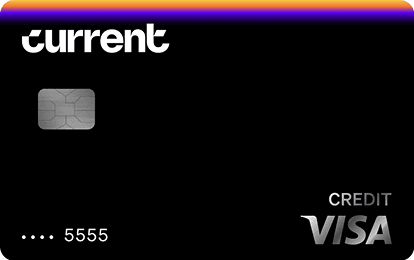
Current Build Card
$0 annual fee. No minimum deposit required. No credit check required. 1 point per dollar on eligible categories. Reports to Experian, TransUnion, Equifax.
Fee
$0
APR
0%
Minimum Deposit Amount
$0
Credit Check
No
Cashback
1 point/dollar on eligible categories (with qualifying payroll deposit)
Benefit
No credit check, no deposit minimum
Always Pay On Time (Even Minimum)
Payment history is 35% of your credit score. It's the biggest factor. One late payment can drop your score 100 points or more.
This doesn't mean you have to pay the full balance every month, though that's the smartest financial choice. It means you must pay at least the minimum by the due date.
Set up automatic payments if you have trouble remembering. Pay a few days early to account for mail delays or system glitches. You cannot afford to mess this up if you want to build credit.
A 30-day late payment stays on your report for 7 years. So even one mistake can haunt you for years. Missing multiple payments or being seriously delinquent (60+ days late) essentially resets your credit-building efforts. Learn more about what happens if you miss a credit card payment.
How Long It Takes to See Results
Timeline varies based on what you're starting from:
From no credit: You'll see your first score in 30-45 days once the card reports. That first score might be in the 550-600 range. In 6 months of on-time payments and low utilization, you could hit 650. In 12 months, you might reach 680-700.
From fair credit (580-650): With disciplined use, you can jump 30-50 points in 3 months. Six months of perfect behavior can move you 50-100 points higher.
From bad credit (below 580): Recovery is slower but possible. Expect 100-150 points of improvement in your first year if you never miss a payment.
The first 6 months show the most dramatic improvements because you're establishing a new payment history pattern. After that, progress slows but still happens. Read more in our guide on how long it takes to build credit.
Common Credit Card Mistakes That Hurt Your Score
Closing old cards. You might think closing a card after you build credit helps. It doesn't. Closing it removes available credit, which increases your utilization ratio. An old closed card also stops aging, which hurts your credit history length. Keep old cards open.
Applying for multiple cards quickly. Each application triggers a hard inquiry, which temporarily lowers your score. More importantly, new accounts lower the average age of your accounts. If you must get multiple cards, space them out 6+ months apart.
Missing payments, even by a day. Even a one-day late payment can ding your score. A 30-day late payment does serious damage. A 60+ day late payment is a major hit.
Carrying high balances. This tanks your utilization ratio. If you need to carry a balance due to financial hardship, at least try to keep it under 30% of your limit.
Not checking your credit. Errors on your report can damage your score. You're entitled to one free report per year from each bureau at AnnualCreditReport.com. Check it annually, or use Creditship.ai for ongoing monitoring. Learning how to read a credit report helps you spot problems early.
Spending more than you planned. Just because you have a $500 limit doesn't mean you should use it. Stick to small, budgeted charges you can pay off.
Best Practices for Ongoing Credit Building
Once you've started building, here's how to accelerate your progress:
Set a small monthly charge. Charge the same small amount every month ($25-$50) and pay it off immediately. This keeps your card active and your utilization low.
Use the card for necessities. Charge gas, groceries, or subscriptions you were going to pay for anyway. Then pay with money you already have set aside.
Don't treat credit as extra money. Just because you have available credit doesn't mean you can afford to spend it. Only charge what you can pay off.
Keep statements even after paying. Don't close the account. Let the account age. The longer your credit history, the better. Understanding credit mix shows why having an older account helps.
Diversify your credit. After you establish credit with a card, consider adding a credit builder loan in 6-12 months. The Self Credit Builder Account lets you build credit and savings at the same time. Magnum by CreditStrong is another proven option — read our CreditStrong review. Having different types of credit helps your score. Compare the best credit builder loans to find one that fits.
Monitor your score. Many cards offer free score monitoring. Track your progress monthly. You should see improvement with every on-time payment.

Ava Credit Builder Card

Ava Credit Builder Card
Ava gives you access to a suite of credit-building products including Credit Builder Card, Credit Builder Loan, and Rent Reporting. 74% of members seeing an increase in score in the first week.
Fee
$8/mo (annual) or $10/mo (monthly)
APR
0%
Minimum Deposit Amount
$0
Credit Check
No
Cashback
None
Benefit
Ava reports account activity weekly to all three major credit bureaus: Experian, Equifax, and TransUnion
FAQ
How much do I need to spend on a credit card to build credit?
As little as $5-$10 per month. The amount doesn't matter. Payment history and utilization matter. Small spending that you pay off completely is ideal.
Does paying off my balance early hurt my credit?
No. Your credit is based on what gets reported, not when you pay. Pay it off as soon as you want to avoid interest. It doesn't hurt your score.
Should I keep a small balance to build credit faster?
Absolutely not. Carrying a balance means paying interest for zero benefit. Keep a low balance on your statement (get reported), then pay it in full before interest hits.
How long should I wait before applying for another credit card?
At least 6 months. Each new application lowers your score slightly, and new accounts hurt your average account age. Space them out.
Can I build credit with a credit card if I'm rebuilding after bad credit?
Yes, but start with a secured card. Unsecured cards are harder to qualify for with recent negative marks. Secured cards are specifically designed for people rebuilding credit.
What's the difference between secured and unsecured cards for credit building?
Secured cards require a deposit and are easier to qualify for. Both report to the bureaus the same way. After 6-12 months of perfect use, you can usually upgrade your secured card or get an unsecured card.
Disclaimer: This article is for educational purposes only and not financial advice. Speak with a financial advisor about your specific situation. Credit building timelines vary by individual circumstances.