Why Most Bad Credit Cards Require Deposits
When you have bad credit or no credit history, lenders are taking a risk by giving you money to borrow. To reduce that risk, many credit card companies require a cash deposit. The deposit serves as collateral. If you stop paying, the bank can use your deposit to cover losses.
Deposits typically range from $200 to $2,500. This deposit becomes your credit limit. So a $500 deposit gives you a $500 credit limit. The bank holds the deposit while you use the card, and if you use the card responsibly for 6 to 18 months, you graduate to a regular unsecured card and get your deposit back.
However, if you don't have cash available right now, or if you need to keep money liquid for emergencies, a deposit requirement is a barrier. This is where no-deposit credit cards come in. These unsecured cards don't require a deposit upfront. If speed is your priority, and you want a decision in minutes rather than days, see our roundup of instant approval credit cards for bad credit for the fastest-decision options. Torn between the two most popular no-deposit picks? Our head-to-head on OpenSky vs. Aspire for bad-credit applicants breaks down which one wins on fees, rewards, and approval odds.
Best No-Deposit Credit Cards Ranked
1. Perpay Credit Card
Perpay is our top pick for people with bad credit who have a steady paycheck. It requires no deposit and no hard credit check. Instead of a traditional payment setup, Perpay uses your paycheck to automate payments through direct deposit, so you never miss a due date.
The card offers up to a $1,500 starting credit limit, which is significantly higher than most other no-deposit options. You can be considered for a credit limit increase within three months. Perpay reports to all three credit bureaus, and cardholders see an average 32-point credit score increase in the first three months.
You'll earn 2% back on all payments made toward your card balance. The card has no annual fee, but there is a monthly servicing fee of $5.50 to $9.00 and a one-time $9 account opening fee. Most applicants receive approval within 60 seconds. Note that the Perpay Credit Card is not available to residents of New Hampshire.
Best For: Employed applicants with bad credit who want the highest no-deposit starting limit and paycheck-powered autopay.
Perpay Credit Card
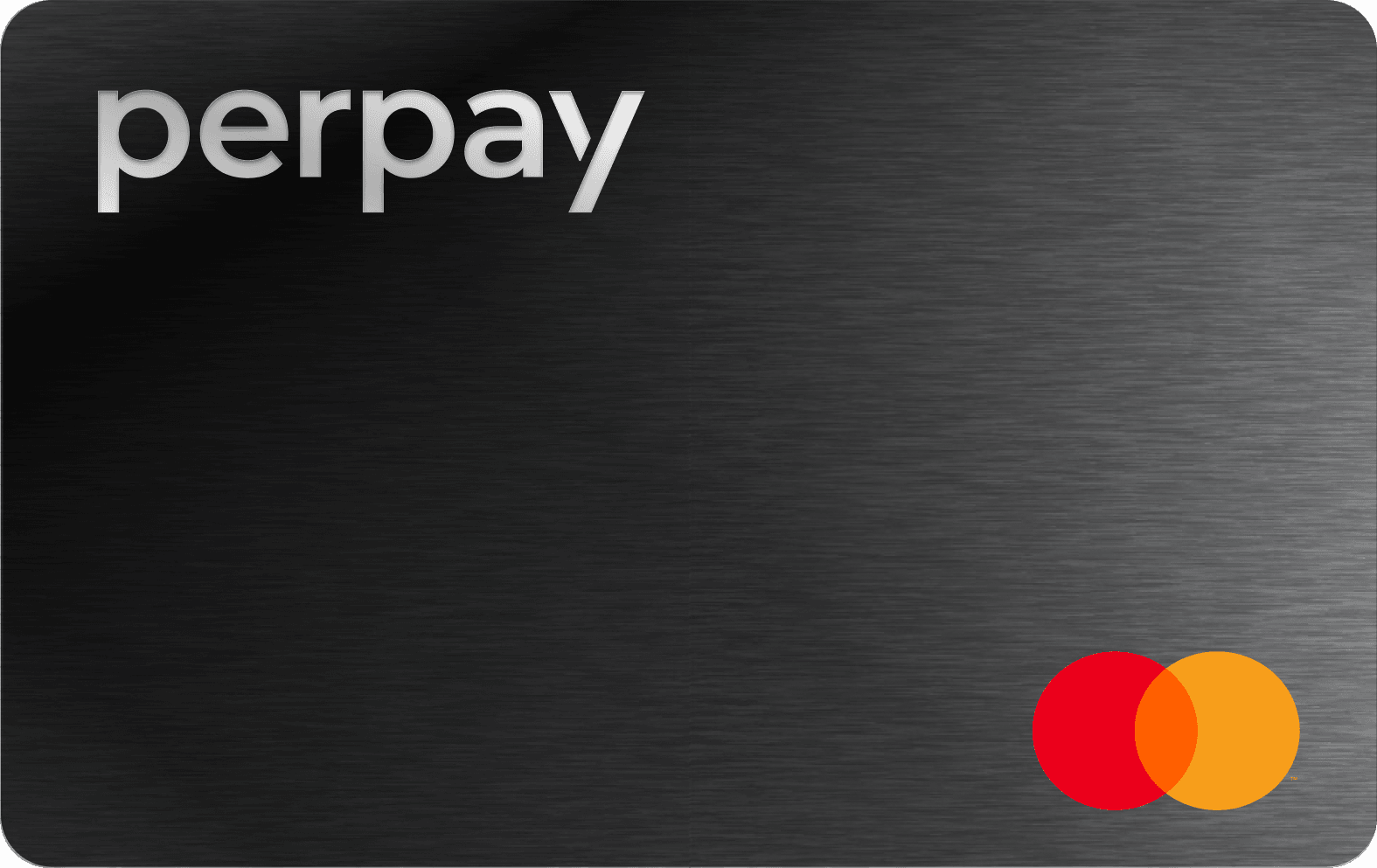
Perpay Credit Card
Meet the only card powered by your paycheck. With automatic transfers from your paycheck, you can manage payments stress-free and build credit with ease.
Fee
$9/month plus $9 account opening fee
APR
Marketplace: 0% / Credit Card: 27.74% to 29.99% depending on your creditworthiness.
Minimum Deposit Amount
$0
Credit Check
No
Cashback
2% reward on purchases made in Perpay Marketplace
Benefit
2% rewards, no security deposit
2. Aspire® Cash Back Rewards Mastercard
The Aspire® Cash Back Rewards Mastercard is a strong pick for bad credit borrowers who want a no-deposit card with real rewards. It requires no security deposit, accepts applicants with FICO scores as low as 300, and pays 3% cash back on gas, groceries, and utility bills, one of the highest reward rates in the bad-credit card category.
Credit limits range from $350 to $1,000 depending on your creditworthiness. Aspire reports to all three major credit bureaus (Equifax, Experian, TransUnion), so every on-time payment builds your credit history. A soft pull prequalification tool lets you check approval odds without affecting your credit score.
The fee structure is important to understand. In year one, the annual fee is $85 to $175. From year two onward, there's a $49 annual fee plus a monthly maintenance fee of up to $15 per month, which can total up to $229 per year. The fixed APR is 29.99% to 36%, which is high, so this card works best when paid in full every month. As of April 2026, these are the published fee ranges. Terms and conditions apply. Read our full Aspire Mastercard review for a deeper look.
Best For: People with bad credit who want cash back on everyday spending and can pay the balance in full each month.
Aspire® Cash Back Rewards Mastercard

Aspire® Cash Back Rewards Mastercard
Aspire® Cash Back Rewards Mastercard. Prequalify* For Up To $1000 Credit Limit. No security deposit. Packed with great benefits, it’s designed to give you more flexibility—and purchasing power—along with up to 3% cash back rewards!** Good anywhere Mastercard is accepted, it’s the go-to card for any lifestyle.
Standout feature
Up to 3% cashback rewards**
Fees
$85–$175 first year, $229 thereafter (maintenance fees already included)
Pros
No Deposit Required. Prequalify* for up to $1000 credit limit
Cons
High APR, 36% Fixed.
3. Current Build Card
The Current Build Card takes a different approach to the "no deposit" question. Technically, the card is funded by money you hold in your Current checking account, so it does require a deposit in the sense that there has to be money available. The difference is that you can open the Current account without any upfront deposit at all. Once the account is open, you decide exactly how much to move from your checking balance to back the credit card, and you can adjust that amount up or down as your budget allows. The money stays yours, sitting in your own account.
There's no credit check to open the card, no minimum deposit requirement, and no annual fee. You earn 1 point per dollar on dining and groceries, and the card reports to Experian, TransUnion, and Equifax. Because Current is also a full banking app, you get direct deposit, overdraft protection, and a single place to manage spending and credit building. Our Current Build Card review covers approval requirements and tradeoffs in more detail.
Best For: People who want zero fees, no traditional credit check, and full flexibility over how much of their own money backs the card.
Current Build Card
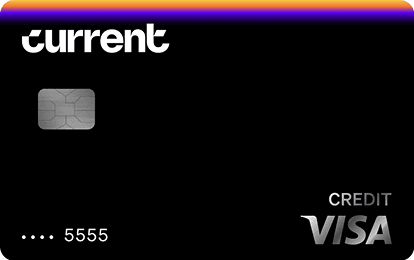
Current Build Card
$0 annual fee. No minimum deposit required. No credit check required. 1 point per dollar on eligible categories. Reports to Experian, TransUnion, Equifax.
Fee
$0
APR
0%
Minimum Deposit Amount
$0
Credit Check
No
Cashback
1 point/dollar on eligible categories (with qualifying payroll deposit)
Benefit
No credit check, no deposit minimum
4. Arro Credit Card
The Arro Card is a no-deposit unsecured card built for fair-credit and rebuilding borrowers. There's no security deposit and no hard credit check at signup, so it's accessible even with a thin file. The card offers up to a $2,500 credit line, though most starter approvals come in between $300 and $1,000, with higher limits reserved for stronger income profiles.
Arro reports to all three major credit bureaus (Experian, Equifax, TransUnion), so on-time payments build a positive revolving tradeline each month. The annual fee is $60 ($5/month), which is competitive with secured cards plus their deposit requirements but more than zero-fee options like Current. The APR is in the 25% to 30% range, which is fine if you pay the statement balance in full every month and expensive otherwise.
The main draws are no deposit and fast approval. Decisions usually come back instantly via the Arro app, and the card ships within 7 to 14 business days. Read our full Arro Credit Card review for fees, approval odds, and how it stacks up against Self Visa and OpenSky.
Best For: People with fair or rebuilding credit who want a no-deposit unsecured card with a credit line that can grow with payment history.
Arro Card
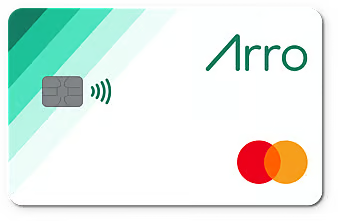
Arro Card
No deposit. No hard credit check. Start with up to $300 and grow your credit line to $2,500 by completing in-app tasks. Earn 1% cash back on gas and groceries — including Walmart and Target.
Standout feature
Unsecured — no deposit required
Fees
up to $60/ year
Pros
1% cash back on gas & groceries
Cons
Starting credit limit: $50–$300
5. Destiny® Mastercard®
The Destiny® Mastercard®, issued by The Bank of Missouri and serviced by Concora Credit, is an unsecured card with no security deposit aimed at applicants with serious credit damage who may not qualify for the options above. You can see if you pre-qualify with a soft check that does not affect your score, though a full credit report is pulled when you formally apply.
As of July 2026, the card comes with a $700 initial credit limit and a 35.9% purchase APR. The annual fee is $175 the first year and $49 after that, and a $12.50 monthly fee begins in the second year ($0 the first year). Because the first-year annual fee is charged against your limit, your initial available credit is about $525.
Those fees are high relative to the credit limit, so this card works best as a short-term rebuilding tool you pay in full every month, and our full Destiny Credit Card review covers the fee math in detail. Destiny reports monthly to Experian, Equifax, and TransUnion, so consistent on-time payments build history with all three bureaus.
Best For: Applicants with serious credit damage who need an unsecured, no-deposit card and can absorb the fees while rebuilding.
Destiny® Mastercard®
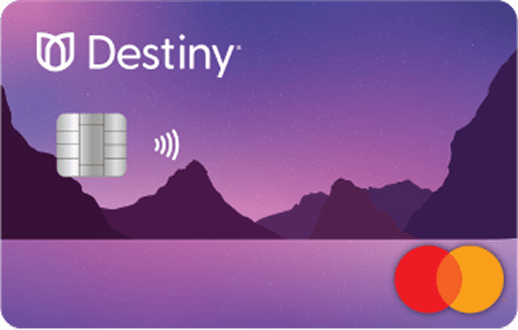
Destiny® Mastercard®
The Destiny® Mastercard® is built for imperfect credit: a full $700 unsecured credit limit if approved, no security deposit, and acceptance everywhere Mastercard works nationwide. Your activity is reported to all three credit bureaus monthly, and seeing if you qualify won't touch your score.
Standout feature
Unsecured — no security deposit required
Fees
Annual Fee: $175 the first year; $49 thereafter. Monthly Fee: $0 the first year (billed $0 each month); $150 annually thereafter (billed $12.50 each month)
Pros
$700 credit limit guaranteed if approved
Cons
High 35.9% APR
6. Indigo® Mastercard®
The Indigo® Mastercard®, issued by Celtic Bank and serviced by Concora Credit, is another unsecured, no-deposit card for damaged credit. As of July 2026, the numbers match Destiny's: a $700 initial credit limit, roughly $525 in available credit after the $175 first-year annual fee, a 35.9% purchase APR, a $49 annual fee from year two, and a $12.50 monthly fee that also begins in the second year.
You can check whether you pre-qualify with a soft inquiry that does not affect your credit score, but submitting a full application triggers a credit report pull. Indigo reports monthly to Experian, Equifax, and TransUnion, so responsible use shows up on all three reports.
Be realistic about the cost: between the annual and monthly fees, year two runs $199 in fees on a $700 limit, and our full Indigo Mastercard review breaks down those numbers in detail. Indigo is best used briefly and paid in full, then reassessed once your score recovers.
Best For: Applicants with major credit setbacks who want one more unsecured, no-deposit path when the higher-ranked cards are out of reach.
Indigo® Mastercard®

Indigo® Mastercard®
The Indigo® Mastercard® is an unsecured card built for rebuilding: no security deposit, a $700 credit limit if approved, and monthly reporting to all three credit bureaus. See if you pre-qualify in minutes with no impact to your credit score.
Standout feature
Unsecured — no deposit, $700 credit limit if approved
Fees
$175 first year, then $49/year + $12.50/month
Pros
Accepts applicants with bankruptcies and serious past credit damage
Cons
$175 first-year fee is charged at opening
7. Self Credit Card
Self is a secured credit card that requires you to fund a savings account as collateral. Your savings deposit (up to $2,050) becomes your credit limit. Unlike a traditional deposit you can't touch, Self's model lets you continue adding to your savings account over time.
The card has a $25 annual fee ($0 for the first year) and reports to all three credit bureaus. Approval is straightforward with no credit check. After 6 months of on-time payments, you can be upgraded to the Self Plus unsecured credit card, which doesn't require a deposit. Self may also automatically add unsecured credit to your existing card through a soft credit pull if you qualify. Read our full Self Credit Builder Card review for a deeper dive into how it works.
Best For: People who want to build savings and credit at the same time, with a clear upgrade path to unsecured.

8. OpenSky Secured Visa
OpenSky is a secured credit card that requires a refundable deposit starting at $200, but it earns a spot on this list because of its upgrade path. After just 6 months of on-time payments, OpenSky automatically reviews your account for an upgrade to the OpenSky Gold Unsecured Visa. If you're invited to upgrade, there's no new application, no additional deposit, and no credit check required. The Gold card comes with a $500 credit limit and a $59 annual fee.
The secured OpenSky card itself has no credit check requirement to apply, making it accessible even with very bad credit or no credit history. The annual fee is $35. OpenSky reports to all three credit bureaus. If your goal is to start with a secured card and graduate to an unsecured card as quickly as possible, OpenSky offers one of the clearest paths to get there. See our OpenSky credit card review for the full breakdown.
Best For: Applicants who have a small deposit available and want the fastest, cleanest path from secured to unsecured.

9. Petal 2 Visa
Petal 2 is designed for people rebuilding credit and requires no deposit. The company reviews your bank statements and income instead of your credit score. Approval takes about 24 hours.
The card offers 1% to 2% cash back depending on spending category. There's no annual fee and no foreign transaction fees. Your credit limit starts low (around $300 to $500) but can grow as you use the card responsibly.
Petal reports to all three credit bureaus, meaning your activity directly impacts your credit score. The APR ranges from about 18% to 29% depending on your approval. This is typical for bad credit cards.
The main drawback is that credit limits stay relatively low compared to secured cards, even after extended use. However, if you don't have deposit funds available, Petal 2 is a solid option.
10. Deserve EDU
Deserve EDU targets young adults and students building credit. The card requires no credit history check, no credit score requirement, and offers 1% cash back on all purchases. There's no annual fee.
Approval is quick and can happen online. The card is designed for Millennials and Gen Z but accepts anyone who meets basic requirements. You need a US phone number, email, and identity verification.
Deserve EDU reports to all three credit bureaus. The APR is higher than cards for good credit but reasonable for a no-deposit option (typically 18% to 25%). Read our Deserve EDU review for eligibility details and what to expect.
The limitation is that starting credit limits are low, usually $300 to $500. The card is focused on building credit for younger users, so it may appeal more to Gen Z than older applicants.
11. Petal Cash Back Visa
This is a different Petal product for people with slightly better credit than Petal 2 applicants. It still requires no deposit and no credit check. The cash back is higher at 1% to 2% on all categories.
Petal Cash Back Visa has no annual fee and no foreign transaction fees. It reports to credit bureaus. If you don't qualify for Petal 2 (because your bank account history is too recent or too turbulent), Petal Cash Back might approve you.
12. Milestone® Mastercard®
The Milestone® Mastercard® is another unsecured, no-deposit option from The Bank of Missouri, serviced by Concora Credit. As of July 2026, its terms mirror the Destiny card: a $700 initial credit limit (about $525 available after the first-year annual fee), a 35.9% purchase APR, a $175 first-year annual fee that drops to $49 afterward, and a $12.50 monthly fee that starts in year two.
Where Milestone differs is the extras. Cardholders get Mastercard ID Theft Protection at no cost, a useful add-on when you're already watching your credit closely. A soft-check pre-qualification lets you gauge your chances without affecting your score, though a full credit report is pulled at application.
The fees are steep for the size of the limit, which is why Milestone sits at the bottom of this list. Pay in full and treat it as a stepping stone rather than an everyday spending card. Our full Milestone Credit Card review weighs whether the extras justify the cost. Milestone reports monthly to Experian, Equifax, and TransUnion.
Best For: Rebuilders with damaged credit who want a Destiny-style no-deposit card plus free identity theft protection, and who can't qualify for the options above.
Credit Limits, APRs, and Fees Comparison
Here's how all 12 cards stack up side by side, in the same order as our rankings. Figures are as of July 2026 and can change, so confirm current terms on each issuer's site before you apply.
| Card | Annual Fee | APR | Credit Limit | Deposit Required | Credit Check |
|---|---|---|---|---|---|
| Perpay Credit Card | $0 annual fee; $5.50 to $9 monthly servicing fee plus one-time $9 opening fee | None (payments come from your paycheck) | Up to $1,500 | No | No hard check |
| Aspire® Cash Back Rewards Mastercard | $85 to $175 year one; then $49 per year plus up to $15 per month | 29.99% to 36% fixed | $350 to $1,000 | No | Soft pull to prequalify |
| Current Build Card | $0 | None | You choose, backed by your Current balance | No minimum (your own money backs the card) | No |
| Arro Credit Card | $60 per year ($5 per month) | About 25% to 30% | Up to $2,500 (most start at $300 to $1,000) | No | No hard check at signup |
| Destiny® Mastercard® | $175 year one; then $49 per year plus $12.50 per month | 35.9% | $700 | No | Soft pull to prequalify, hard pull at application |
| Indigo® Mastercard® | $175 year one; then $49 per year plus $12.50 per month | 35.9% | $700 | No | Soft pull to prequalify, hard pull at application |
| Self Visa® Credit Card | $25 ($0 first year) | None | Equals your savings, up to $2,050 | Yes (savings-secured) | No |
| OpenSky Secured Visa | $35 | Varies, check OpenSky's site | Equals your deposit ($200 minimum) | Yes ($200 minimum, refundable) | No |
| Petal 2 Visa | $0 | About 18% to 29% | Starts around $300 to $500 | No | Reviews bank activity instead of credit score |
| Deserve EDU | $0 | About 18% to 25% | Starts around $300 to $500 | No | No credit history required |
| Petal Cash Back Visa | $0 | Varies, check Petal's site | Similar to Petal 2 | No | No |
| Milestone® Mastercard® | $175 year one; then $49 per year plus $12.50 per month | 35.9% | $700 | No | Soft pull to prequalify, hard pull at application |
All cards on this list report to credit bureaus, which is essential for building credit. Perpay is our top pick for employed bad-credit applicants thanks to its higher starting limit and paycheck autopay. Aspire is the best choice if you want meaningful cash back with no deposit. Current is a strong pick if you want zero fees and full flexibility over how much of your money backs the card. Arro is a strong no-deposit unsecured option with a credit line that can grow over time, though its $60 annual fee and APR keep it just behind the top picks. Self or OpenSky are the best choices if you have some deposit cash and want a clear upgrade path to unsecured.
No-Deposit vs Secured Cards
No-deposit unsecured cards require no cash upfront. Secured cards require a deposit, but approval is nearly guaranteed if you have the deposit amount.
Advantages of no-deposit cards: You don't need cash available. Approval can happen even if you have very limited financial history. You get rewards on purchases. Some have decent credit limits from the start.
Disadvantages of no-deposit cards: Starting credit limits are lower than secured cards. Approval is harder because lenders have no collateral. APRs may be slightly higher. Limits grow more slowly with use.
Advantages of secured cards: Nearly guaranteed approval if you have the deposit. Credit limits match your deposit amount (so a $1,000 deposit gives a $1,000 limit). Lenders view them as lower risk. Easier to graduate to unsecured cards after 6 to 12 months.
Disadvantages of secured cards: Your money is tied up and unavailable for months. You need cash available to apply. The deposit only serves as collateral, not as earnings (it doesn't earn interest).
For people who can't spare cash, no-deposit is better. For people who have cash and want the fastest path to credit building, secured vs unsecured credit cards are more efficient.
How to Improve Your Approval Odds
Have a bank account ready. Most no-deposit card companies review your banking history. Open a checking account 2 to 3 months before applying and keep it active. Show regular deposits (paychecks, transfers) and low overdraft activity.
Gather income documentation. Be prepared to show proof of income. Recent pay stubs, tax returns, or income statements work. Lenders want to see stable income of at least $12,000 to $15,000 per year.
Check your credit reports first. Get free reports from AnnualCreditReport.com and review them for errors. Dispute any mistakes before applying. This can improve approval odds.
Reduce credit inquiries. If you've applied for credit recently, wait a few weeks before applying for another card. Multiple inquiries in a short time hurt approval odds.
Choose a card that matches your profile. If you're a student, apply for Deserve EDU. If you have a steady paycheck, Perpay is often the strongest no-deposit bet. If you have some bank activity but bad credit, apply for Petal 2. Don't apply for cards outside your likelihood of approval.
Be honest on your application. Don't inflate income or overstate assets. Lenders verify claims, and dishonesty leads to automatic denial or legal issues.
How to Rebuild Credit Fast
Use the card every month. Make small, regular purchases you can easily pay off. This ensures card activity gets reported to credit bureaus. Even $25 to $50 monthly in purchases helps.
Pay your full balance every month. Interest charges cost you money and don't help credit. Paying in full keeps your utilization low and your score healthy.
Pay before the due date. Don't wait until the last day. Pay at least a week early or use autopay to ensure on-time payment. One late payment can damage your score for years.
Keep your balance under 30% of your limit. If your limit is $500, keep your balance under $150. If it's $300, stay under $100. Low utilization helps credit scores significantly. Understanding credit score ranges helps you understand the impact of your actions.
Don't close the card when you graduate. After 12 to 18 months of good use, you may get approved for a better card. Keep your first no-deposit card open and active. Older accounts help your credit score.
Add yourself as an authorized user if possible. If someone with good credit adds you to their account, their positive history helps your score. This accelerates credit building.
Use free monitoring tools regularly. Services like Creditship.ai help you track improvements and stay motivated. Watching your score climb is encouraging and helps you stay on track.
Request a credit limit increase after 6 months. Some card issuers increase limits without a hard inquiry. A higher limit without more spending lowers your utilization and improves your score.
Common Questions About No-Deposit Cards
Can I get a no-deposit card if I have collections or charge-offs?
It's harder but possible. Petal 2 and Deserve EDU focus less on negative past events and more on current banking behavior. You may still be approved even with collections. Apply after your collections accounts have aged (typically 2 to 3 years from the last payment).
Do no-deposit cards ever graduate to unsecured cards with higher limits?
Yes, but it depends on the card. Petal 2 and others gradually increase limits based on your spending and payment behavior. Self cards can be graduated to unsecured after consistent use. Deserve EDU offers limit increases after 6 months of good use.
What if I get denied for a no-deposit card?
Try a secured card instead. If you have even a small amount of cash available, secured cards have very high approval rates. Apply after a few weeks have passed to let your credit inquiry age.
Can I use a no-deposit card to rebuild credit while paying off existing debt?
Yes, absolutely. While paying off old debt, using a new no-deposit card responsibly can improve your credit. Your payment history on the new card shows lenders you've changed your behavior.
How much cash back can I earn with no-deposit cards?
It varies by card. Aspire earns 3% on gas, groceries, and utilities, one of the highest rates for bad credit cards. Perpay earns 2% on payments. Most others offer 1% to 2% on purchases. If you spend $300 per month on eligible categories, the right card can offset a meaningful portion of annual fees.
Your No-Deposit Credit Journey
No-deposit credit cards are real options for people with bad credit or no credit history. They don't require you to tie up cash that you may need for emergencies. Instead, they let you build credit using responsible borrowing and on-time payments.
Choose a card that fits your situation: Perpay if you have a steady paycheck and want the highest no-deposit starting limit. Aspire® Cash Back Rewards Mastercard if you want 3% cash back with no security deposit. Current Build Card if you want zero fees and full control over how much of your money backs the card. Arro Credit Card if you want a no-deposit unsecured card with a credit line that can grow to $2,500. Self or OpenSky if you have some deposit cash and want a clear upgrade path to unsecured. Petal 2 or Deserve EDU if you're younger or new to credit. Then use your card consistently for 12 to 18 months.
Your goal is to build enough positive credit history that you qualify for better cards and better rates. No-deposit cards are the bridge to that future. Start today, stay disciplined, and your credit will transform. When you understand credit builder secured credit cards and how to get a credit card with bad credit, you'll see how no-deposit options fit into your overall credit strategy.