What Are Unsecured Credit Cards?
An unsecured credit card extends a line of credit without requiring collateral like a cash deposit. Unlike secured credit cards, which require an upfront deposit, unsecured cards base approval on your credit profile, income, or alternative data.
For people with limited or poor credit history, the easiest unsecured credit cards to get tend to come from fintech companies that use alternative underwriting, looking at factors like your income, bank account activity, or employment history instead of a traditional credit score.
Below, we compare 11 of the easiest unsecured credit cards to get approved for in 2026, followed by tips on how to use them to build your credit score. For more options, see our guide to the best credit cards to get with no credit, and if you want the short list of the single easiest credit card to get with no credit at all, that breakdown covers secured, student, and store options.
The 11 Best Unsecured Credit Cards That Are Easy to Get Approved For
1. Aspire® Cash Back Rewards Mastercard
The Aspire® Cash Back Rewards Mastercard is one of the few truly unsecured credit cards that accepts bad credit and pays meaningful cash back. With no security deposit required and credit limits from $350 to $1,000, it's accessible even with a FICO score as low as 300. You earn 3% cash back on gas, groceries, and utility bills, and 1% on everything else, a standout rate for the bad-credit card market.
Why We Like It: Aspire combines no-deposit access, 3% cash back in everyday categories, and reporting to all three major bureaus. That's a rare combination for applicants with poor credit.
Pros:
- No security deposit required
- Accepted with bad credit (300+ FICO)
- 3% cash back on gas, groceries, and utilities
- Soft pull to prequalify, no impact on your credit score
- Reports to Equifax, Experian, and TransUnion
- Credit limits up to $1,000
Cons:
- Year 1 annual fee: $85–$175
- Year 2+ fees can reach up to $229/year ($49 annual + up to $15/month maintenance)
- APR: 29.99%–36.00% fixed, so avoid carrying a balance
Best For: People with bad credit who want a true unsecured card with real cash back rewards and no deposit requirement. Terms and conditions apply.
Aspire® Cash Back Rewards Mastercard
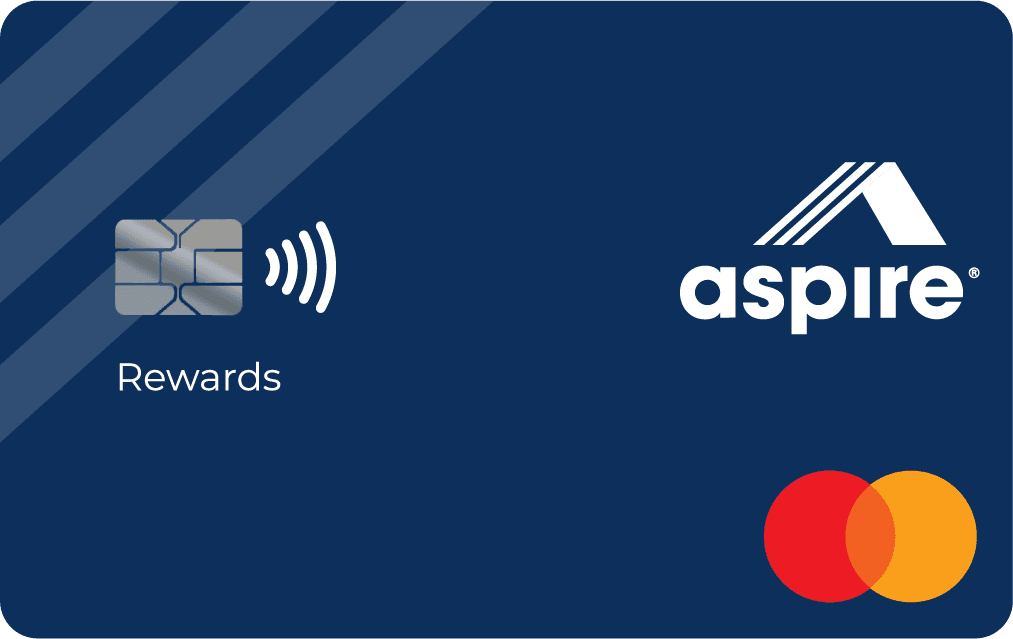
Aspire® Cash Back Rewards Mastercard
Aspire® Cash Back Rewards Mastercard. Prequalify* For Up To $1000 Credit Limit. No security deposit. Packed with great benefits, it’s designed to give you more flexibility—and purchasing power—along with up to 3% cash back rewards!** Good anywhere Mastercard is accepted, it’s the go-to card for any lifestyle.
Standout feature
Up to 3% cashback rewards**
Fees
$85–$175 first year, $229 thereafter (maintenance fees already included)
Pros
No Deposit Required. Prequalify* for up to $1000 credit limit
Cons
High APR, 36% Fixed.
2. Perpay Credit Card
The Perpay Credit Card is an unsecured card that does not require a traditional security deposit or a hard credit check. Instead, you link your direct paycheck to build financial trust with Perpay. This paycheck-based approach allows Perpay to extend credit without pulling your credit report.
Why We Like It: Perpay is one of the easiest unsecured credit cards to get because it bypasses a formal credit report check entirely. Approval is based on your income data, and you can access up to $1,500 in credit depending on your paycheck.
Pros:
- No hard credit check required
- Access up to $1,500 credit line
- Reports to all three major credit bureaus
- Earn rewards on payments
- Average 32-point score increase in first 3 months
Cons:
- $9 one-time account opening fee plus $9 monthly service fee (up to $108 annually)
- APR: 27.74% to 29.99% variable
Best For: People with limited or no credit history who have stable monthly income and want a straightforward way to build credit.
Perpay Credit Card
Perpay Credit Card
Meet the only card powered by your paycheck. With automatic transfers from your paycheck, you can manage payments stress-free and build credit with ease.
Fee
$9/month plus $9 account opening fee
APR
Marketplace: 0% / Credit Card: 27.74% to 29.99% depending on your creditworthiness.
Minimum Deposit Amount
$0
Credit Check
No
Cashback
2% reward on purchases made in Perpay Marketplace
Benefit
2% rewards, no security deposit
3. Arro Credit Card
The Arro Card is a no-deposit unsecured credit card built for people with thin, fair, or rebuilding credit. Arro doesn't require a security deposit or a hard credit check at signup, and approval decisions usually come back instantly via the mobile app. The card extends up to a $2,500 credit line, though most starter approvals are between $300 and $1,000.
Why We Like It: Arro removes the two biggest barriers to credit-builder cards: the deposit and the hard inquiry. The credit line can grow as you demonstrate consistent on-time payments, and Arro reports to all three major bureaus monthly.
Pros:
- No security deposit required
- No hard credit check at signup
- Up to $2,500 credit line
- Reports to all three major credit bureaus
- Mobile-first approval (instant decisions)
Cons:
- $60 annual fee
- APR is in the 25%–30% range
- Starter limits often $300–$1,000 (full $2,500 reserved for stronger profiles)
Best For: Fair- and rebuilding-credit borrowers who want a no-deposit unsecured option with a credit line that can grow over time. Read our full Arro Credit Card review for fees, approval odds, and how it compares to Self Visa and OpenSky.
Arro Card
Arro Card
No deposit. No hard credit check. Start with up to $300 and grow your credit line to $2,500 by completing in-app tasks. Earn 1% cash back on gas and groceries — including Walmart and Target.
Standout feature
Unsecured — no deposit required
Fees
up to $60/ year
Pros
1% cash back on gas & groceries
Cons
Starting credit limit: $50–$300
4. Atlas Rewards Credit Card
Atlas Rewards Credit Card is built for people with limited or no credit history. It claims over 4x higher approval rates than a traditional credit card, with approval decisions in as little as two minutes. It stands out by offering 0% APR and generous cashback rewards, benefits you rarely see in starter cards.
Why We Like It: Atlas blends credit building with real cashback rewards. You can earn up to 10% cash back at 50,000+ stores including Target and Starbucks, and 5% on subscriptions like Netflix and Hulu. Most starter cards offer zero rewards, which makes Atlas a standout.
Pros:
- High approval rates for limited credit profiles
- 0% APR
- Up to 10% cashback at popular retailers
- Cell phone protection, auto rental coverage, and extended warranty
- Reports to credit bureaus
Cons:
- $89 annual fee (or $8.99/month)
Best For: People who want to build credit and earn meaningful rewards at the same time.
5. Current Build Card
The Current Build Card is one of the simplest and most affordable credit-building options on the market. It has no annual fee, no APR, no minimum deposit, and no credit check, making it one of the easiest unsecured credit cards to get approved for.
Why We Like It: Current removes virtually every barrier to entry. With $0 in fees and 0% APR, there's no cost risk while you build credit. It also earns 1 point per dollar on dining and groceries and reports to all three credit bureaus.
Pros:
- $0 annual fee
- 0% APR
- No credit check required
- No minimum deposit
- 1 point per dollar on dining and groceries
- Reports to Experian, TransUnion, and Equifax
Cons:
- Rewards rate is limited to select categories
- Relatively new product
Best For: Anyone who wants a zero-cost, low-risk way to start building credit.
Current Build Card
Current Build Card
$0 annual fee. No minimum deposit required. No credit check required. 1 point per dollar on eligible categories. Reports to Experian, TransUnion, Equifax.
Fee
$0
APR
0%
Minimum Deposit Amount
$0
Credit Check
No
Cashback
1 point/dollar on eligible categories (with qualifying payroll deposit)
Benefit
No credit check, no deposit minimum
6. Ava Credit Builder Card
Ava offers a suite of credit-building products including a Credit Builder Card, Credit Builder Loan, and Rent Reporting. What makes Ava stand out is its weekly reporting to all three major credit bureaus; most issuers only report monthly. This accelerated reporting can lead to faster score improvements.
Why We Like It: 74% of Ava members see a credit score increase in their first week. The combination of weekly reporting and multiple credit-building products makes it one of the more aggressive options for fast score improvement.
Pros:
- Weekly reporting to Experian, Equifax, and TransUnion
- 74% of members see score increase in first week
- Multiple credit-building products in one platform
- No hard credit pull
Cons:
- $8/month (annual plan) or $10/month (monthly plan)
- Less established brand compared to competitors
Best For: People who want the fastest possible credit score improvement through accelerated bureau reporting.
Ava Credit Builder Card

Ava Credit Builder Card
Ava gives you access to a suite of credit-building products including Credit Builder Card, Credit Builder Loan, and Rent Reporting. 74% of members seeing an increase in score in the first week.
Fee
$8/mo (annual) or $10/mo (monthly)
APR
0%
Minimum Deposit Amount
$0
Credit Check
No
Cashback
None
Benefit
Ava reports account activity weekly to all three major credit bureaus: Experian, Equifax, and TransUnion
7. Self Visa® Credit Card
Self offers a comprehensive credit-building ecosystem rather than just a standalone card. The Self Visa® Credit Card works alongside the Self Credit Builder Account and Self Rent Reporting, covering both installment and revolving credit. This dual structure helps improve your credit mix, a scoring factor that many single-product competitors miss.
Why We Like It: Self stands out because you can build both installment payment history (through the credit builder loan) and revolving credit history (through the card) at the same time. These are two separate credit scoring factors, and building both simultaneously can strengthen your profile faster than a card alone.
Pros:
- No credit check required
- High approval rate
- Reports to all three major credit bureaus
- Builds both installment and revolving credit history
- Low deposit requirement
- Well-established, trusted brand
Cons:
- 28.24% variable APR if you carry a balance
- $25 annual fee after the first year
Best For: People who want a multi-product approach to building credit, combining a credit builder loan with a credit card for maximum impact.
8. Chime Credit Builder Card
While technically a secured card, Chime's Credit Builder Card deserves a mention because it has no credit check, no annual fee, no interest, and no minimum deposit. You move money from your Chime Checking Account to your Credit Builder secured account, and that becomes your spending limit. Chime reports to all three bureaus.
Why We Like It: Chime removes the traditional barriers of secured cards: there's no minimum deposit requirement and no fees whatsoever. If you already have a Chime bank account, activating the Credit Builder Card takes minutes.
Pros:
- No credit check
- No annual fee
- No interest charges
- No minimum security deposit
- Reports to all three major bureaus
Cons:
- Requires a Chime Checking Account
- It is technically a secured card (you fund it yourself)
- No rewards program
Best For: People who want the absolute lowest-risk, zero-cost way to build credit, especially if they already bank with Chime.
9. Destiny® Mastercard®
The Destiny® Mastercard®, issued by The Bank of Missouri and serviced by Concora Credit, is a true unsecured card built for people with damaged credit. There is no security deposit, and applicants with prior bankruptcies can still qualify. As of July 2026, the card comes with a $700 initial credit limit and reports your payments to Experian, Equifax, and TransUnion every month. You can see if you pre-qualify with a soft check that does not affect your score, though a full credit report is pulled when you formally apply.
Why We Like It: Destiny is one of the few unsecured cards that openly accepts applicants with serious credit damage, including past bankruptcies. The trade-off is cost: the fees are high relative to the $700 limit, so it works best as a rebuilding tool you pay in full each month. For a closer look at the fees and fine print, see our full Destiny Credit Card review.
Pros:
- No security deposit required
- Built for damaged credit, prior bankruptcies accepted
- $700 initial credit limit
- Soft-check pre-qualification with no impact on your score
- Reports monthly to all three major credit bureaus
Cons:
- $175 annual fee the first year, then $49 per year
- $12.50 monthly fee starting the second year ($0 the first year)
- 35.9% purchase APR
- Initial available credit is about $525 after the first-year annual fee
Best For: People rebuilding after major credit setbacks who want an unsecured Mastercard with no deposit and full bureau reporting. Terms and conditions apply.
Destiny® Mastercard®
Destiny® Mastercard®
The Destiny® Mastercard® is built for imperfect credit: a full $700 unsecured credit limit if approved, no security deposit, and acceptance everywhere Mastercard works nationwide. Your activity is reported to all three credit bureaus monthly, and seeing if you qualify won't touch your score.
Standout feature
Unsecured — no security deposit required
Fees
Annual Fee: $175 the first year; $49 thereafter. Monthly Fee: $0 the first year (billed $0 each month); $150 annually thereafter (billed $12.50 each month)
Pros
$700 credit limit guaranteed if approved
Cons
High 35.9% APR
10. Indigo® Mastercard®
The Indigo® Mastercard®, issued by Celtic Bank and serviced by Concora Credit, is another rebuilding-focused unsecured card. Like Destiny, it requires no security deposit, considers applicants with damaged credit or past bankruptcies, and reports to all three major credit bureaus every month. As of July 2026, the initial credit limit is $700, and you can check for pre-qualified offers with a soft inquiry that does not affect your score before a full credit report is pulled at application.
Why We Like It: Indigo has one of the more forgiving approval profiles among unsecured cards, and every on-time payment is reported to Experian, Equifax, and TransUnion. The fee structure is identical to Destiny's, so compare both and go with the one that pre-qualifies you. You can find a full breakdown in our Indigo Mastercard review.
Pros:
- No security deposit
- Considers applicants with prior bankruptcies
- $700 initial credit limit
- Soft-check pre-qualification that does not affect your score
- Monthly reporting to all three major bureaus
Cons:
- $175 annual fee the first year, then $49 per year
- $12.50 monthly fee starting in year two
- 35.9% purchase APR
- Initial available credit of about $525 after the first-year fee
Best For: People with damaged credit who want a no-deposit Mastercard and plan to pay in full each month to sidestep the 35.9% APR. Terms and conditions apply.
Indigo® Mastercard®

Indigo® Mastercard®
The Indigo® Mastercard® is an unsecured card built for rebuilding: no security deposit, a $700 credit limit if approved, and monthly reporting to all three credit bureaus. See if you pre-qualify in minutes with no impact to your credit score.
Standout feature
Unsecured — no deposit, $700 credit limit if approved
Fees
$175 first year, then $49/year + $12.50/month
Pros
Accepts applicants with bankruptcies and serious past credit damage
Cons
$175 first-year fee is charged at opening
11. Milestone® Mastercard®
The Milestone® Mastercard® rounds out this list. It comes from the same family as Destiny: it is also issued by The Bank of Missouri and serviced by Concora Credit, with the same core terms. As of July 2026, that means a $700 initial credit limit with no security deposit, monthly reporting to Experian, Equifax, and TransUnion, and a pre-qualification tool that uses a soft check that does not affect your score (a full credit report is pulled if you go on to apply). Where Milestone differs is the extra perk: cardholders get Mastercard ID Theft Protection at no cost.
Why We Like It: Milestone considers applicants with damaged credit, including prior bankruptcies, and the free ID theft protection is a useful add-on while you rebuild. It sits last on this list because the fees are steep for a $700 limit, so weigh the costs carefully and compare it against Destiny and Indigo before applying.
Pros:
- Unsecured Mastercard with no security deposit
- Prior bankruptcy does not automatically disqualify you
- $700 initial credit limit
- Mastercard ID Theft Protection included at no cost
- Reports monthly to Experian, Equifax, and TransUnion
- Soft-check pre-qualification available
Cons:
- $175 first-year annual fee, then $49 per year
- $12.50 monthly fee begins in the second year
- 35.9% purchase APR
- About $525 in initial available credit after the first-year fee
Best For: Rebuilders who want Destiny-style approval odds plus free identity theft protection. Terms and conditions apply.
Quick Comparison: 11 Easiest Unsecured Credit Cards to Get
| Card | Annual Fee | APR | Credit Limit | Credit Check? | Best For |
|---|---|---|---|---|---|
| Aspire® Cash Back Mastercard | $85–$175 yr 1; up to $229 yr 2+ | 29.99%–36% fixed | $350–$1,000 | Soft pull to prequalify | Bad credit, 3% cash back |
| Perpay Credit Card | $108/yr ($9/mo) | 27.74%–29.99% | Up to $1,500 | No hard pull | Steady income, no credit history |
| Arro Credit Card | $60/yr | ~25%–30% variable | Up to $2,500 | No hard pull | Fair credit, no deposit |
| Atlas Rewards | $89/yr or $8.99/mo | 0% | Varies | No traditional check | Rewards + credit building |
| Current Build Card | $0 | 0% | Varies | No credit check | Zero fees, everyday spending |
| Ava Credit Builder Card | $96–$120/yr | Varies | Varies | No hard pull | Fast score improvement |
| Self Visa® Credit Card | $25/yr (first year free) | 28.24% variable | Varies | No credit check | Dual credit-building system |
| Chime Credit Builder | $0 | 0% | Your deposit | No credit check | No-fee secured alternative |
| Destiny® Mastercard® | $175 yr 1; $49 + $12.50/mo yr 2+ | 35.9% | $700 | Soft pull to prequalify | Rebuilding after bankruptcy |
| Indigo® Mastercard® | $175 yr 1; $49 + $12.50/mo yr 2+ | 35.9% | $700 | Soft pull to prequalify | Damaged credit, no deposit |
| Milestone® Mastercard® | $175 yr 1; $49 + $12.50/mo yr 2+ | 35.9% | $700 | Soft pull to prequalify | Damaged credit, free ID theft protection |
APR and terms may vary. Always verify current rates on the issuer's website.
How to Choose the Right Unsecured Credit Card for Bad Credit
When comparing the easiest unsecured credit cards to get, focus on these factors:
Approval Criteria: Some cards accept limited credit profiles or use alternative data like income, bank transaction history, or employment status instead of strict credit scores. Cards like Perpay, Arro, and Current fall into this category.
Fees: Compare annual fees, monthly fees, and account opening fees. Some cards like Current and Chime charge nothing at all, while others like Arro ($60/year), Atlas ($89/year), or Perpay ($108/year) charge more but offer additional benefits.
APR: Many unsecured cards for bad credit carry variable APRs between 25% and 36%. If you plan to carry a balance, APR matters significantly. Cards like Atlas and Current offer 0% APR, which eliminates interest risk entirely.
Credit Bureau Reporting: This is the whole point of a credit-building card. Ensure the card reports your activity to at least two (ideally all three) major credit bureaus: Experian, Equifax, and TransUnion. All 11 cards on this list report to multiple bureaus.
Rewards and Perks: Some credit-building cards now offer cashback or point rewards. Aspire, Atlas, and Current all offer rewards on everyday spending, which is a nice bonus on top of the credit-building benefit.
Credit Limit and Upgrade Path: Some issuers review your account after several months of on-time payments and may increase your credit limit. A higher limit lowers your utilization ratio, which can further boost your score.
How to Build Credit With an Unsecured Credit Card
Getting approved is only step one. The real value of the easiest unsecured credit card to get comes from how you use it after approval.
Pay On Time Every Month
Payment history accounts for the largest portion of your credit score (roughly 35%). A single late payment can stay on your report for up to seven years. Set up autopay for at least the minimum payment, and aim to pay the full statement balance before the due date.
Keep Credit Utilization Below 20%
Credit utilization, the percentage of your available credit that you're using, is the second most important scoring factor. For example, if your limit is $500 and your balance is $100, your utilization is 20%. We recommend keeping it below 20%, and below 10% if possible. If your starting limit is low, make small purchases and pay them off quickly.
Avoid Carrying a Balance at High APR
Many unsecured cards for bad credit carry APRs above 25%. If your card has a high APR, use it as a credit-building tool, not a borrowing tool. Charge small recurring expenses and pay the full balance each month.
Keep the Account Open
Length of credit history affects your score. Even after you qualify for better cards, keeping your first account open strengthens your credit profile over time.
Limit New Applications
Each application may result in a hard inquiry, which can temporarily lower your score. Apply for one card at a time and focus on managing it well before seeking additional credit.
Monitor Your Credit Report
Check your credit report regularly to confirm your card issuer is reporting payments accurately. You're entitled to one free report per year from each of the three major bureaus at AnnualCreditReport.com.
Request a Credit Limit Increase
After several months of on-time payments, some issuers will review your account for a limit increase. A higher credit limit lowers your utilization ratio without requiring you to spend less.
Secured vs. Unsecured Credit Cards: What's the Difference?
The key difference is simple: secured cards require a cash deposit as collateral, while unsecured cards do not.
Secured cards generally have higher approval rates since the deposit reduces risk for the issuer. Unsecured cards are harder to qualify for but typically offer better rewards and don't tie up your cash in a deposit.
For people with bad credit or no credit, starting with the easiest unsecured credit card to get can be advantageous because you keep your money liquid while still building credit. However, if approval is a concern, a secured card like the Chime Credit Builder (which has no minimum deposit) can be a good stepping stone.
For a detailed breakdown, read our full guide on secured vs. unsecured credit cards.
Other Credit-Building Alternatives
If none of the cards above fit your situation, consider these alternatives:
Kikoff: A credit-building product that helps you build credit through small purchases and payments reported to the bureaus, with no traditional credit check required.
Credit Builder Loans: Products like the Self Credit Builder Account, Arro Credit Builder, and CreditStrong Magnum let you build installment payment history (a different credit factor than revolving credit from cards). Pairing a credit builder loan with a credit card can accelerate your progress.
Rent Reporting: Services like Self Rent Reporting report your monthly rent payments to credit bureaus, turning an expense you already pay into credit-building activity.
Kikoff Secured Credit Card
Kikoff Secured Credit Card
Kikoff Secured Credit Card works like a debit card & checking account and performs like a credit builder. Build credit with your everyday purchases.
APR
0%
Minimum Deposit Amount
$0
Credit Check
No
Cashback
Yes
Benefit
0% interest. No credit check.
FAQ
What is the easiest unsecured credit card to get with bad credit?
The Aspire® Cash Back Rewards Mastercard, Perpay, Arro, Atlas, and Current are among the easiest because they accept bad credit or use alternative underwriting methods. Aspire accepts FICO scores as low as 300 with no deposit required. Perpay, Arro, and Current don't use traditional hard credit checks at all.
Can I get an unsecured credit card with no credit history?
Yes. Several fintech cards are designed specifically for people with no credit history. Perpay, for example, bases approval on your paycheck rather than your credit file, while Current uses your own deposited funds with no credit check at all.
What is the easiest unsecured credit card to get with no deposit?
All 11 cards on this list are unsecured or have no minimum deposit. The easiest no-deposit options are the Aspire® Cash Back Mastercard, Arro Credit Card, and Current Build Card, all of which have straightforward approval processes.
Do unsecured credit cards help build credit?
Yes, as long as the card reports your payment activity to at least one major credit bureau. All 11 cards in this guide report to multiple bureaus. Consistent on-time payments are the single most important factor in building your score.
How soon can I build credit with an unsecured credit card?
Credit bureaus typically update reports monthly (though Ava reports weekly). Most people begin seeing positive changes within 2-3 months of consistent on-time payments. Significant score improvements usually take 6-12 months.
What's the difference between a secured and unsecured credit card?
A secured card requires a cash deposit that serves as your credit limit. An unsecured card does not require any deposit; the issuer extends credit based on your profile, income, or alternative data. For a full comparison, see our guide on secured vs. unsecured credit cards.
Can I get approved for an unsecured credit card without a credit check?
Yes. Cards like Perpay, Arro, Current, and Self do not perform a hard credit check. Instead, they use alternative data such as income verification or bank account history to make approval decisions.
What are the easiest unsecured credit cards to get for beginners?
For beginners with no credit history, the easiest options are Perpay (paycheck-based approval), Arro (no hard credit check, no deposit), and Current Build Card (no fees, no credit check). These cards are specifically designed for people who are just starting their credit journey.
Final Thoughts
The easiest unsecured credit card to get depends on your situation. If you have bad credit and want real cash back with no deposit, the Aspire® Cash Back Rewards Mastercard earns 3% on gas, groceries, and utilities. If you have steady income but no credit file, Perpay uses your paycheck for approval. If you want zero fees and low risk, Current Build Card is hard to beat. And if you want the fastest possible score improvement, Ava's weekly bureau reporting stands out. Arro is another option if you want a no-deposit unsecured card with a credit line that can grow to $2,500.
Whichever card you choose, the fundamentals are the same: pay on time, keep utilization low, and be patient. Building credit is a marathon, not a sprint, but with the right card, you can start making progress from day one.
For a broader look at credit-building strategies, explore our guides on credit builder loans and the 5 best credit-building apps.