
Graduating from college changes a lot of things — your schedule, your income (hopefully), and your financial priorities. It's also a natural moment to rethink your credit card. A student card made sense when you had limited credit and no income. After graduation, you can usually qualify for something better.
Here's how to pick the right credit card for this stage of life.
Aspire® Cash Back Rewards Mastercard

Aspire® Cash Back Rewards Mastercard
Aspire® Cash Back Rewards Mastercard. Prequalify* For Up To $1000 Credit Limit. No security deposit. Packed with great benefits, it’s designed to give you more flexibility—and purchasing power—along with up to 3% cash back rewards!** Good anywhere Mastercard is accepted, it’s the go-to card for any lifestyle.
Standout feature
Up to 3% cashback rewards**
Fees
$85–$175 first year, $229 thereafter (maintenance fees already included)
Pros
No Deposit Required. Prequalify* for up to $1000 credit limit
Cons
High APR, 36% Fixed.
Why Now Is the Time to Upgrade
Your credit profile looks different right after graduation. You probably have:
- A few years of on-time payments on a student card.
- A growing credit score (often in the mid-600s to 700s).
- Some recurring income, even if it's from an entry-level job.
- Bigger monthly expenses (rent, utilities, commuting, maybe student loans).
That combination opens up cards with better rewards, higher limits, and longer 0% APR windows. Graduating into a specialized field changes the calculation too — for example, our best credit card for doctors guide covers cards tailored to medical residents and new physicians who have strong future income but thin credit files today.
What to Look For in a Post-Grad Card
Focus on cards that fit real post-college life:
- No annual fee for at least the first year.
- Cash back on everyday categories like groceries, gas, restaurants, and streaming.
- Sign-up bonus you can actually hit with modest spending.
- Intro 0% APR on purchases in case you need a short runway for a laptop, furniture, or moving costs.
- Travel or dining rewards if you plan to travel.
Skip premium cards with $95+ annual fees unless you'll actually use the perks.
Top Credit Card Picks for College Graduates
These cards balance rewards with approval odds for graduates:
- Chase Freedom Unlimited — flat 1.5% cash back, plus higher tiers on dining and drugstores; 0% intro APR.
- Capital One SavorOne Cash Rewards — 3% cash back on dining, entertainment, streaming, and groceries; no annual fee.
- Discover it Cash Back — rotating 5% quarterly categories, plus first-year match.
- Citi Double Cash Card — 2% total cash back (1% when you buy, 1% when you pay).
- Chase Sapphire Preferred — modest annual fee but strong travel rewards if you travel often.
- Wells Fargo Autograph — 3x points on gas, restaurants, streaming, transit, and travel; no annual fee.
If you already have a student card from Chase, Discover, or Capital One, look for an internal product change offer first — you can upgrade without a new application or hard pull.
If You're Still Job-Hunting
No full-time job yet? You can still qualify for a strong card:
- Use your current income, even if it's part-time or freelance.
- Include scholarships, grants, or family financial support you regularly receive.
- Consider a card from your existing student-card issuer, which already has a relationship with you.
- Look into credit unions, which tend to be more flexible.
Being job-hunting doesn't disqualify you, but it might lower your starting credit line.
Don't Forget Your Student Card
Keep your student credit card open if it has no annual fee. The account history helps your credit age and keeps your overall utilization low. Use it for one small recurring bill each month with autopay, and let it quietly keep boosting your score.
Learn more about building credit as a young adult and credit cards for young adults.
Current Build Card
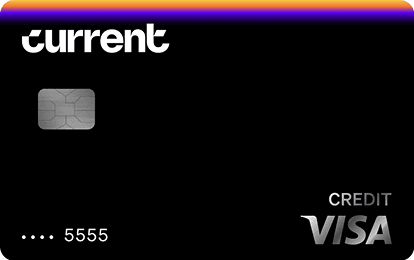
Current Build Card
$0 annual fee. No minimum deposit required. No credit check required. 1 point per dollar on eligible categories. Reports to Experian, TransUnion, Equifax.
Fee
$0
APR
0%
Minimum Deposit Amount
$0
Credit Check
No
Cashback
1 point/dollar on eligible categories (with qualifying payroll deposit)
Benefit
No credit check, no deposit minimum
Frequently Asked Questions
When should I apply for a post-grad credit card? Immediately after graduation or when you land a job, whichever comes first. Having a year or two of history on a student card builds your credit file, making you a better candidate for rewards cards.
Should I keep my student credit card open? Yes. Close it only if it has an annual fee. An older account in good standing boosts your credit age and lowers your overall utilization ratio, both of which improve your credit score.
Can I get a card with a sign-up bonus if I'm job-hunting? Yes, but qualifying depends on your stated income. Use your current part-time/freelance income, plus any scholarships, grants, or financial support you receive regularly. Honesty matters; credit card companies verify income.
What credit score do I need to upgrade from a student card? Most rewards cards require a score of 670+. If you've been paying your student card on time for 1-2 years, you should be in that range. Check your score free at Creditship before applying.
Is a 0% APR intro period worth upgrading for? Yes, if you have near-term expenses (moving, furniture, laptop). A 0% APR window of 6-12 months gives you time to pay without interest. But don't spend money just to use the promo.
The Bottom Line
The best credit card for a college graduate is one with no annual fee, rewards you'll actually use, and a credit line that fits your new life. Upgrade when it makes sense, keep your old account open, and use every card responsibly.




