
If you're in your late teens or early twenties, credit probably isn't the most exciting thing on your mind. But building credit now — even a little bit — can make a huge difference later when you want to rent an apartment, buy a car, or qualify for better financial products.
The good news is that getting started is simpler than most people think. Here's how to build credit as a young adult, step by step.
Why Building Credit Early Matters
Your credit score affects more than you'd expect. Landlords check it when you apply for an apartment. Car dealerships use it to set your loan rate. Some employers even look at your credit report during the hiring process.
The earlier you start, the longer your credit history grows — and length of credit history is one of the factors scoring models consider. Someone who starts at 18 has a four-year head start over someone who waits until 22.
You don't need to go into debt to build credit. You just need to show that you can manage credit responsibly over time.
Step 1: Understand What Goes Into Your Score
Before you start, it helps to know what you're building toward. Your FICO score is based on five factors:
Payment history (35%) — whether you pay on time. Credit utilization (30%) — how much of your available credit you're using. Length of credit history (15%) — how long your accounts have been open. Credit mix (10%) — the variety of account types you have. New credit (10%) — how many recent applications you've made.
As a young adult, the two biggest levers you can control right away are payment history and utilization. Pay on time and keep balances low — that's most of the game.
Step 2: Get Your First Credit Account
You need at least one credit account to start building a score. Here are the most accessible options for young adults:
Secured credit card. This is the most common starting point. You put down a deposit (usually $200 to $500), and that becomes your credit limit. Use the card for small purchases, pay the balance in full each month, and you're building credit. Most secured cards report to all three bureaus.
Credit builder loan. These small loans are designed specifically to help people build credit. You make fixed monthly payments, and the money is held in a savings account until the loan is paid off. Each on-time payment gets reported to the credit bureaus.
Become an authorized user. If a parent or family member has a credit card with a good history, they can add you as an authorized user. The account's history appears on your credit report, which can give your score a boost. You don't even need to use the card — just being on the account helps.
If you're already 19 and want age-specific picks rather than generic young-adult roundups, our companion guide on credit cards for 19-year-olds with limited credit walks through which starter and secured cards fit best at that age.
Current Build Card
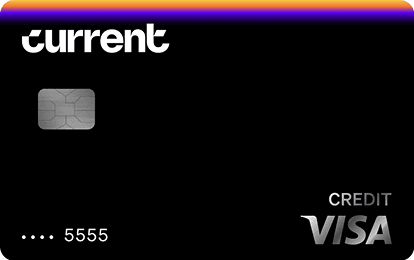
Current Build Card
$0 annual fee. No minimum deposit required. No credit check required. 1 point per dollar on eligible categories. Reports to Experian, TransUnion, Equifax.
Fee
$0
APR
0%
Minimum Deposit Amount
$0
Credit Check
No
Cashback
1 point/dollar on eligible categories (with qualifying payroll deposit)
Benefit
No credit check, no deposit minimum

Student credit card. If you're a college student, some issuers offer credit cards specifically for students. These typically have lower credit requirements than regular cards and may come with perks like cash back on everyday purchases.
Step 3: Use Credit the Right Way
Having a credit account is only half the equation. How you use it determines whether your score goes up or down.
Pay on time, every time. This is the single most important habit. Set up autopay for at least the minimum payment so you're never marked late. One missed payment can drop your score significantly.
Keep your balance low. Try to use less than 30% of your credit limit — and ideally less than 10%. If your limit is $500, that means keeping your balance under $50. Pay it off in full each month if you can.
Don't max out your card. Even if you plan to pay it off, a high balance at the wrong time can get reported to the bureaus and temporarily tank your utilization ratio.
Only charge what you can afford. Treat your credit card like a debit card. If you wouldn't buy it with cash, don't put it on credit. This keeps you from building debt while you're building credit.
Step 4: Avoid Common Mistakes
Young adults often make a few predictable mistakes when they first start with credit. Here's what to watch out for:
Applying for too many cards at once. Each application creates a hard inquiry on your report. A few inquiries in a short period can lower your score and signal to lenders that you might be financially stressed.
Ignoring your statements. Get in the habit of checking your credit card statement every month. Look for charges you don't recognize and make sure your payments are posting correctly.
Closing your first card. Your oldest account contributes to your length of credit history. Even if you upgrade to a better card later, keep your first one open (assuming it has no annual fee).
Falling for high-fee products. Some cards marketed to people with no credit come with excessive fees. Read the fine print. A secured card with a small annual fee is fine, but avoid cards that charge large upfront fees that eat into your credit limit.
Step 5: Monitor Your Progress
Once you have an account open, keep an eye on your credit to make sure everything is tracking correctly.
Many banks and card issuers provide free credit score access through their app or website. Check it monthly to see how your score is moving.
Pull your full credit report for free at AnnualCreditReport.com at least once a year. Make sure all the information is accurate and that there are no accounts you don't recognize.
If you spot an error, dispute it with the credit bureau right away. Mistakes on credit reports are more common than you'd think.
How Long Until You Have a Good Score?
With consistent, responsible use, most young adults can build a score in the mid-600s within six months and reach the 700s within 12 to 18 months. The timeline depends on how many accounts you have, how consistently you pay on time, and whether you avoid any negative marks.
There's no shortcut, but there's also no mystery. Pay on time, keep balances low, and let time do the rest.
Frequently Asked Questions
How long does it take to build credit as a young adult?
With consistent on-time payments and low credit utilization, most young adults can reach the mid-600s within six months and the 700s within 12 to 18 months.
Can I build credit without a credit card?
Yes. A credit builder loan lets you make fixed monthly payments that are reported to the credit bureaus — no credit card required.
Does becoming an authorized user help my credit?
Yes. When a parent or family member adds you as an authorized user on a well-managed account, that account's history can appear on your credit report and help your score.
What credit score can I expect when starting from scratch?
With no prior credit, you typically don't have a score. After opening your first account and making a few on-time payments, you may generate a score in the 580–650 range.
Should I pay my credit card in full every month?
Yes. Paying in full avoids interest charges and keeps your utilization low — both of which are great for your credit score.
The Bottom Line
Building credit as a young adult is one of the smartest financial moves you can make. You don't need a lot of money or a complicated strategy — just one or two accounts, good habits, and a little patience. The credit you build now will pay off for years to come.
Learn more about building your credit with Firstcard.




