March 26, 2026
Does a Credit Builder Card Really Help Your Credit Score?
You've probably heard someone say, "Just get a credit builder card and your score will skyrocket."
But is that actually true? The short answer: yes, credit builder cards can help, but not overnight and not by accident. You have to use them the right way.
The good news? If you make smart choices with a credit builder card, you could see your score jump by 50 points or more in your first year. That's real money saved when you eventually apply for a loan or better credit card. Let's break down exactly how this works.
How Credit Builder Cards Impact Your Score
A credit builder card helps your credit score by doing one main thing: it creates a positive payment history that gets reported to the three credit bureaus (Equifax, Experian, and TransUnion). Every on-time payment shows that you're reliable with credit, and every missed payment signals the opposite.
Here's the mechanics. You put down a deposit (usually $100 to $500) with the card issuer. They hold that deposit while you use the card. When you make a purchase and pay the bill on time each month, they report it to the credit bureaus. Your deposit sits there the whole time, so there's no risk to the bank. That's why approval rates are high even if your credit is poor or nonexistent.
The bigger picture: credit builder cards work because they address your most important credit factor. Payment history makes up 35% of your FICO credit score. If you're building credit from scratch or fixing past mistakes, this is exactly what you need to fix first.
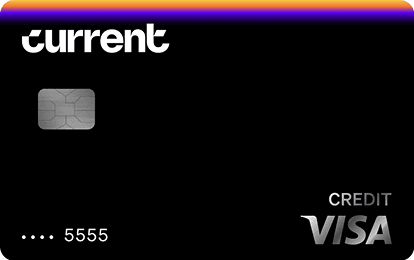
Current Build Card
$0 annual fee, 0% APR. No minimum deposit required. No credit check required. 1 point per dollar on dining and groceries. Reports to Experian, TransUnion, Equifax.
Fee
$0
APR
0%
Minimum Deposit Amount
$0
Credit Check
No
Cashback
1 point/dollar on dining & groceries (with qualifying payroll deposit)
Benefit
No credit check, no deposit minimum, no APR
Which Credit Score Factors Do Credit Builder Cards Affect?
Credit builder cards touch multiple parts of your score. Let's break down the full FICO formula:
Payment history (35% of your score). This is where credit builder cards shine. Every on-time payment gets reported and builds your track record. Most bureaus want to see 6 to 12 months of clean payment history before they start giving you significant score bumps.
Amounts owed (30% of your score). This factor looks at how much credit you're using relative to your limits. If you have a $200 limit and carry a $150 balance, you're using 75% of your available credit. That hurts your score. Keep it under 30%, and you're in good shape.
Length of credit history (15% of your score). Every month you keep the account open, you're building this. After one year, you have proof you can maintain an account responsibly. After three years, even better.
Credit mix (10% of your score). This factor asks: do you have different types of credit? A credit builder card, an installment loan, a phone bill paid on time. Having multiple types may help. See our credit builder loan vs secured credit card guide to understand your options.
New credit (10% of your score). Opening lots of new accounts in a short time makes bureaus nervous. One new account at a time is smart.
The math is clear: payment history and amounts owed together make up 65% of your score. A credit builder card with responsible use directly improves both.
How Long Until You See Score Improvements?
The honest answer: it depends on where you're starting.
If you have no credit history: Most people see initial changes within 1 to 3 billing cycles (30 to 90 days). You might see a 10 to 30 point bump just from that first on-time payment showing up. After 6 months of clean payments, expect a more noticeable jump, maybe 50 to 100 points.
If you have poor credit from past mistakes: The timeline is longer because bureaus want to see sustained change. A few on-time payments aren't enough to override years of late payments. You need 6 to 12 months of consistent behavior first.
If you have some credit but want to improve: You're probably missing one piece. A credit builder card fixes that piece. Expect movement in 1 to 3 months and significant progress within 6 months.
The key insight: you're not building credit overnight, but you are building it predictably. Every on-time payment is a deposit into your credit future. Understanding credit builder card monthly payments and how they work helps you stay on schedule.
Realistic Expectations: What to Expect Month by Month
Month 1. You open a credit builder card with a $200 deposit. You put $50 on it and pay it off in full when the bill comes. Nothing shows up on your credit report yet. Don't panic, it's coming.
Month 2. Your first payment was reported. If you had no credit score before, you might get an initial score (often 500-620). You're establishing a pattern.
Months 3 to 6. Payment history is accumulating. Your score typically climbs 5 to 30 points per month depending on your starting point. By month 6, you have 6 on-time payments showing. That's proof to bureaus that you can stay consistent.
Months 7 to 12. This is where real momentum hits. A full year of clean payment history is powerful. You might see 20 to 50 point jumps in a single month. Your score could be 100 to 200 points higher than where you started.
Months 13 to 24. The credit-building benefit compounds with your other factors. Two accounts with perfect payment history is stronger than one.
Common Mistakes That Slow Your Progress
Mistake 1: Missing payments. One late payment can undo months of progress. A 30-day late payment might drop your score 100 to 150 points instantly and stays on your report for seven years.
Mistake 2: Using too much of your limit. If you have a $200 card and carry a $150 balance, you're using 75% of your credit. Keep it under 30%.
Mistake 3: Opening too many accounts at once. Space out new credit applications by at least 3 to 6 months.
Mistake 4: Closing the account too early. Plan to keep it open for at least 2 years. You lose the length-of-history benefit if you close it early.
Mistake 5: Thinking you need to carry a balance. You don't. Pay in full every month and avoid interest entirely.
How Firstcard's Credit Builder Card Works
Firstcard offers multiple credit builder card options to fit different needs and budgets.
The Self Visa Credit Card has high approval rates even if you have no credit history or poor credit. The $25 annual fee is reasonable compared to many competitors ($0 the first year). It reports to all three bureaus, so every payment helps across the board. After 7 to 18 months of responsible use, Self may graduate you to an unsecured credit card with your deposit back.
The Kikoff Secured Credit Card works differently. It has 0% interest, no credit check, and functions like a debit card plus a credit builder. You fund the card, use that money as your credit line, and make a payment each month that gets reported.
Both cards work best when combined with credit monitoring. Creditship.ai offers free credit monitoring with AI advice so you can track your score week to week and see which factors are improving fastest.
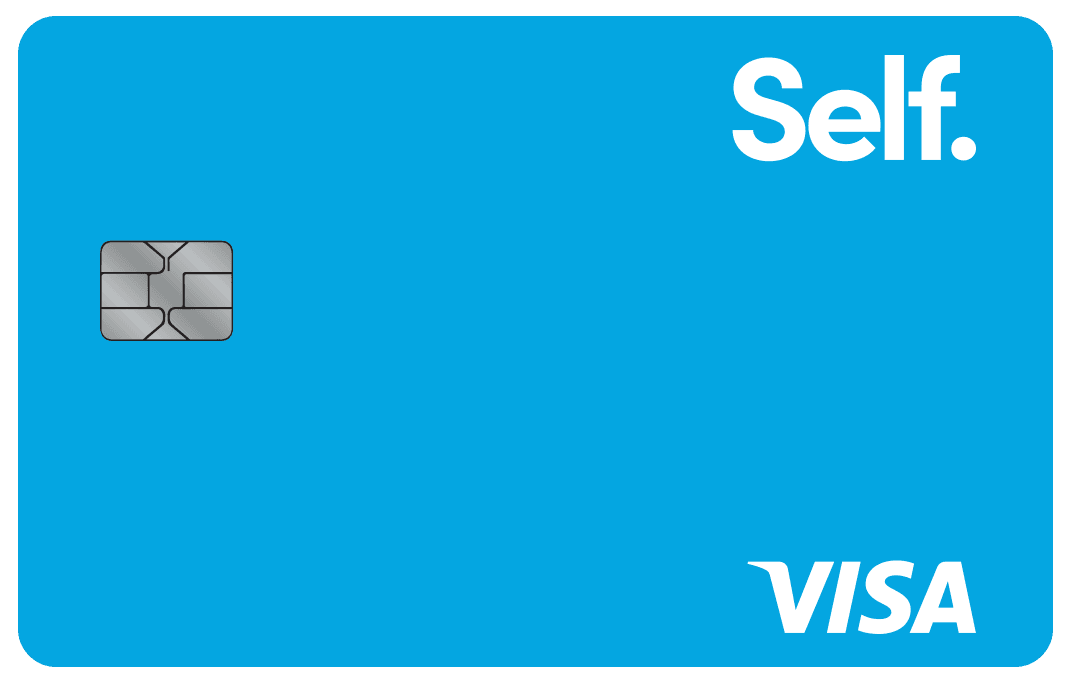
Self Visa® Credit Card
Start the path to financial freedom.
Fee
$25 (Intro annual fee for new customers (first year): $0)
APR
27.49%
Minimum Deposit Amount
$100
Credit Check
No
Cashback
N/A
Benefit
High approval rates
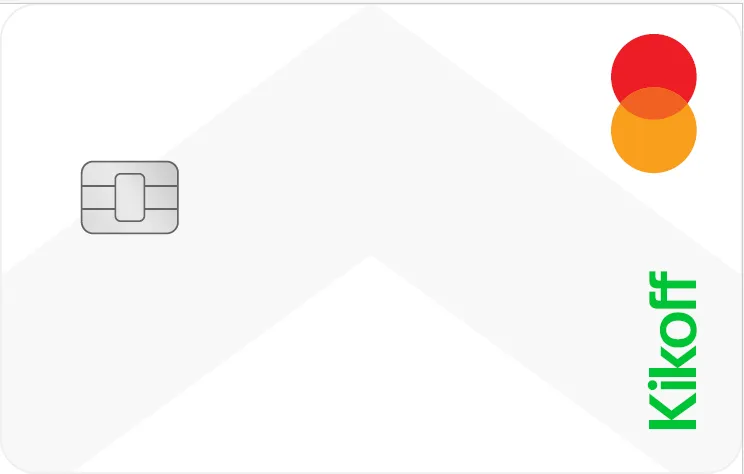
Kikoff Secured Credit Card
Kikoff Secured Credit Card works like a debit card & checking account and performs like a credit builder. Build credit with your everyday purchases.
APR
0%
Minimum Deposit Amount
$0
Credit Check
No
Cashback
Yes
Benefit
0% interest. No credit check.
Loan Amount
$750-$3,500
Term
12 months
Admin Fee
$0
Monthly Fee
$5/month, $20/mo, $35/mo
Average Score Increase
+86 pts on average in a year
FAQ
How much does a credit builder card cost?
Most credit builder cards charge between $0 and $50 per year in annual fees. Some waive the first year. You may also need to put down a security deposit ($100 to $500), but that sits in a savings account. You don't lose the money.
Can I build credit with just one credit builder card?
Yes. One card with a full year of on-time payments can boost your score significantly, especially if you're starting from zero. Adding a second account after 6 to 12 months strengthens your profile. See the best credit builder cards to find a good second option.
What if I miss one payment?
One late payment will hurt, but it won't destroy you. A 30-day late payment might drop your score 50 to 100 points temporarily. The key is not letting it happen again. Late payments hurt most in your first year.
Do I have to spend a lot on my credit builder card to build credit fast?
No. Spending $5 per month and paying it off is enough. Credit bureaus care about on-time payments and low utilization, not high spending.
When should I close my credit builder card?
After 18 months to 2 years of perfect payments, most credit builder cards graduate you to a regular card, which returns your deposit. Wait until you have at least two other accounts with clean history before closing manually.

Firstcard Educational Content Team - March 26, 2026