March 28, 2026
How Long Should You Keep a Secured Credit Card? (2026 Guide)
How Long Does It Take to Build Credit With a Secured Card?
Most people start seeing meaningful credit score improvements within 3 to 6 months of opening a secured credit card. After 12 months of consistent on-time payments and low utilization, many cardholders see their scores increase by 30 to 80 points, depending on their starting point.
The credit bureaus need a minimum of about 6 months of activity to generate a credit score. If you're starting with no credit history at all, it may take that long before you even have a number to track.
After 12 to 24 months, most people have built enough history to qualify for unsecured credit cards with better terms and features.
Is There a Minimum Time to Keep a Secured Card?
There's no official minimum, but closing a secured card too soon can backfire.
If you close the account after just a few months, you lose that account's contribution to your credit history length. Since the average age of your accounts matters for your score, removing a young account doesn't help much, but removing your only account can hurt.
Most financial experts recommend keeping a secured card for at least 12 months. This gives you a full year of payment history and enough time for your score to improve to a level where you can qualify for better products.
If the card has no annual fee, there's very little reason to close it at all. Keeping it open indefinitely helps your average account age grow, which benefits your score for years.
When to Consider Closing or Upgrading
There are a few scenarios where it makes sense to close or upgrade your secured card.
You've been offered a product upgrade. This is the best outcome. Your issuer converts your secured card to an unsecured card, returns your deposit, and keeps the account history intact. If this option is available, take it.
The annual fee isn't worth it. Some secured cards charge annual fees of $25 to $50. If you have other credit cards and the secured card is no longer your primary card, paying a fee just to keep it open may not make sense. Do the math — if the fee is small and the card is your oldest account, it might still be worth keeping.
You need your deposit back. Secured cards require a deposit that ties up your cash. If you need that money for something important and you have other credit accounts in good standing, closing the card to recover your deposit is reasonable.
You've qualified for much better cards. Once you have multiple unsecured cards with higher limits and better benefits, the secured card serves less purpose. But again, consider the account age before closing.
What Happens to Your Credit When You Close a Secured Card
Closing any credit card can affect your score in a few ways.
Available credit decreases. Your total credit limit drops, which can increase your overall utilization ratio. If you have $5,000 in total credit limits and close a card with a $500 limit, you now have $4,500. If your balances stay the same, your utilization percentage goes up.
Average account age may drop. If the secured card is your oldest account, closing it will eventually lower your average account age once it falls off your report (closed accounts stay on your report for up to 10 years).
One less account. Having fewer accounts can slightly reduce your credit mix, though this factor is less significant than payment history or utilization.
The impact is usually small and temporary if you have other healthy credit accounts. But if the secured card is your only credit card, don't close it until you have a replacement.
Best Secured Cards Worth Keeping Long-Term
If you're choosing a secured card you plan to keep, look for options with no annual fee and strong bureau reporting.
Self offers a Visa credit card with high approval rates that reports to all three bureaus — a solid long-term hold. Read our Self review for details. Current provides a Build Card with no annual fee that also reports to all three bureaus — see our Current Build Card review.
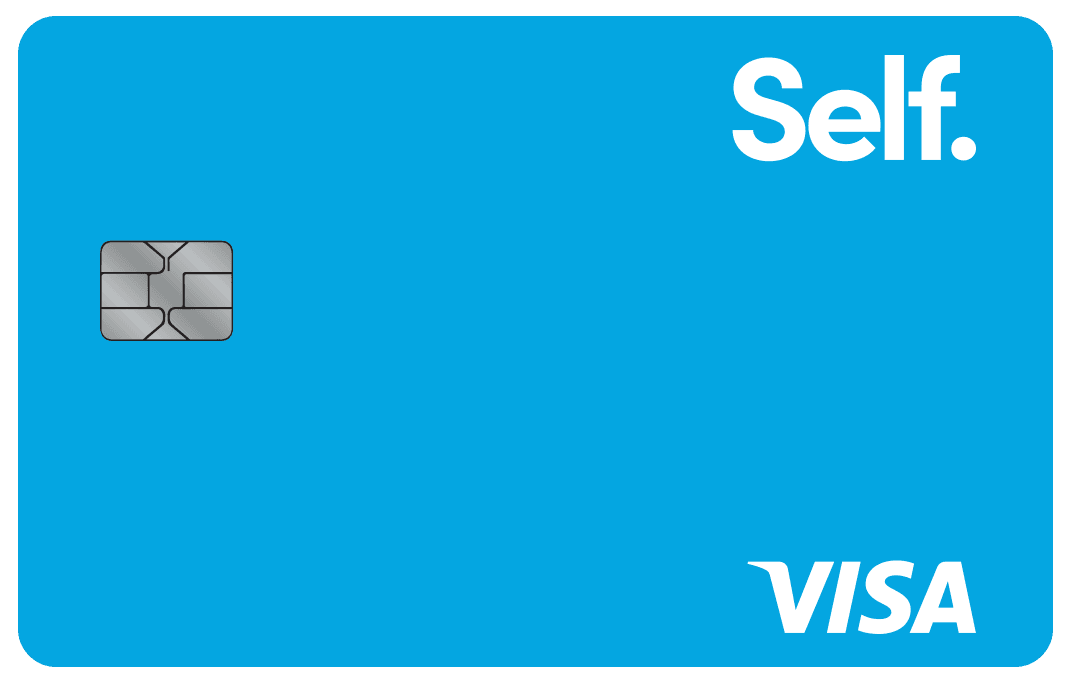
Self Visa® Credit Card
Start the path to financial freedom.
Fee
$25 (Intro annual fee for new customers (first year): $0)
APR
27.49%
Minimum Deposit Amount
$100
Credit Check
No
Cashback
N/A
Benefit
High approval rates
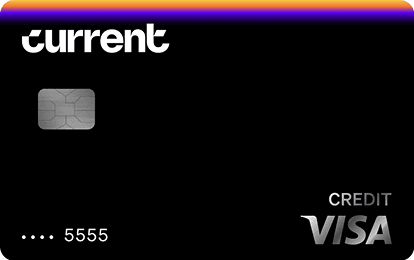
Current Build Card
$0 annual fee, 0% APR. No minimum deposit required. No credit check required. 1 point per dollar on dining and groceries. Reports to Experian, TransUnion, Equifax.
Fee
$0
APR
0%
Minimum Deposit Amount
$0
Credit Check
No
Cashback
1 point/dollar on dining & groceries (with qualifying payroll deposit)
Benefit
No credit check, no deposit minimum, no APR
Tips for Getting the Most From Your Secured Card
Use it regularly but lightly. Make one or two small purchases per month and pay the balance in full. This keeps the account active and builds positive payment history.
Pay before the statement closes. If you pay your balance down before the statement closing date, the reported balance is lower, which helps your utilization ratio.
Ask about upgrade eligibility. After 6 to 12 months, call your issuer and ask if you qualify for a product upgrade. The worst they can say is not yet.
Don't apply for too many other cards too quickly. Each application creates a hard inquiry. Space out applications by at least 3 to 6 months.
The Bottom Line
Keep your secured credit card for at least 12 months, and ideally longer if it has no annual fee. The longer the account stays open, the more it contributes to your credit history length. When you're ready, read about when to switch from secured to unsecured to find the right timing and get your deposit back.
While you hold your secured card, consider pairing it with a credit builder account from Kikoff to build both revolving and installment credit simultaneously — check out our Kikoff review for details.
Related: Secured Cards That Report to All 3 Credit Bureaus
Frequently Asked Questions
How long should you keep a secured credit card before closing? Most experts recommend keeping a secured credit card for at least 12 months, and ideally longer if it has no annual fee. Closing too early can reduce your credit history length and remove a positive account from your profile.
What happens to my credit score when I close a secured card? Closing a secured card can temporarily lower your score by increasing your credit utilization ratio and potentially reducing your average account age. The impact is usually modest if you have other open credit accounts.
Should I keep a secured card if I already have unsecured cards? Yes, if it has no annual fee. Keeping it open benefits your average account age. Use it occasionally to prevent the issuer from closing it for inactivity.
Can I get my security deposit back without closing the account? Yes, through a product upgrade. If your issuer converts your secured card to an unsecured card, they return your deposit while keeping the account and its history intact.
How do I know when I'm ready to upgrade from a secured card? Ask your issuer after 6 to 12 months of on-time payments. Many issuers proactively offer upgrades when you qualify. You can also use pre-qualification tools from other issuers as a signal that your credit has improved.

Firstcard Educational Content Team - March 28, 2026