March 28, 2026
When Should You Switch From a Secured to an Unsecured Card?
How Long Should You Keep a Secured Credit Card Before Upgrading?
There's no fixed rule, but most experts recommend keeping a secured credit card for at least 12 to 18 months before looking to upgrade. This gives you enough time to establish a solid payment history and show lenders you're a responsible borrower.
Some card issuers will automatically review your account after a certain period and offer to upgrade you to an unsecured card. Others require you to apply for a new card separately. The timeline depends on your issuer, your payment history, and how quickly your credit score improves.
Signs You're Ready to Upgrade
Here are the indicators that it might be time to move from a secured card to an unsecured one.
Your credit score has improved. If your score has reached 650 or above, you likely qualify for at least a basic unsecured card. At 670 or above, you'll have access to a wider range of options including some cards with rewards.
You've made 12+ months of on-time payments. Consistency matters more than the number of months. A perfect 12-month payment record is a strong signal to lenders.
Your utilization is consistently low. If you've been keeping your balance below 30% of your credit limit month after month, you're demonstrating responsible credit management.
You've received pre-qualified offers. If you're getting mail or online offers from card issuers, it's a sign they think you're creditworthy enough for their products. Pre-qualification typically involves a soft inquiry and doesn't affect your score.
Your secured card issuer has contacted you. Some issuers like Discover and Capital One proactively reach out to offer upgrades when your account meets their criteria.
How to Graduate to an Unsecured Card
There are two main paths to moving from secured to unsecured credit.
Product upgrade (same issuer). This is the ideal scenario. Your card issuer upgrades your existing account from secured to unsecured. You keep the same account number and history, and your security deposit is refunded. Not all issuers offer this, but Discover, Capital One, and some credit unions do.
To request a product upgrade, call your issuer's customer service line and ask if you're eligible for an upgrade. If they say not yet, ask what criteria you need to meet.
Apply for a new unsecured credit card (different issuer). If your current issuer doesn't offer upgrades, you can apply for an unsecured card from another company. Use a pre-qualification tool first to check your odds without affecting your score. Once approved, you have both cards and can decide what to do with the secured one.
Does Upgrading Hurt Your Credit Score?
It depends on which path you take.
Product upgrade: This typically has no negative impact on your score. The account stays the same, preserving your account age and history. Your deposit is returned, and your credit limit may stay the same or increase.
New card application: Applying for a new card creates a hard inquiry, which can temporarily lower your score by a few points. Opening a new account also lowers your average account age. However, the increased total credit limit and new account can benefit your score over time.
If you can get a product upgrade, that's always the better option for your credit score.
What to Do With Your Old Secured Card
If you got a product upgrade, the question is moot — your secured card became your unsecured card.
If you opened a new card and still have the secured card, think carefully before closing it. Your account age matters. If the secured card is your oldest credit account, closing it could shorten your credit history and lower your score. If it has no annual fee, keep it open and use it occasionally to prevent it from being closed for inactivity.
If the card has an annual fee and you no longer need it, closing it may make financial sense. The impact on your score is usually temporary and recoverable.
Before closing, make sure you have at least one other active credit card. Having zero open revolving credit accounts can hurt your score.
The Bottom Line
The right time to switch from a secured to an unsecured card is when your credit score has improved, you have a solid payment history, and you can qualify for a better product. Don't rush it — a few extra months of positive history with your secured card won't hurt.
While you're building credit with a secured card, consider adding a credit builder account from Kikoff (no interest, no hard pull) to diversify your credit mix — check out our Kikoff review. A credit builder card from Firstcard is also a great tool to pair with this strategy. You can also be an authorized user on a trusted person's card for a quick boost while simultaneously building your own history.
Related: How Long Should You Keep a Secured Credit Card?
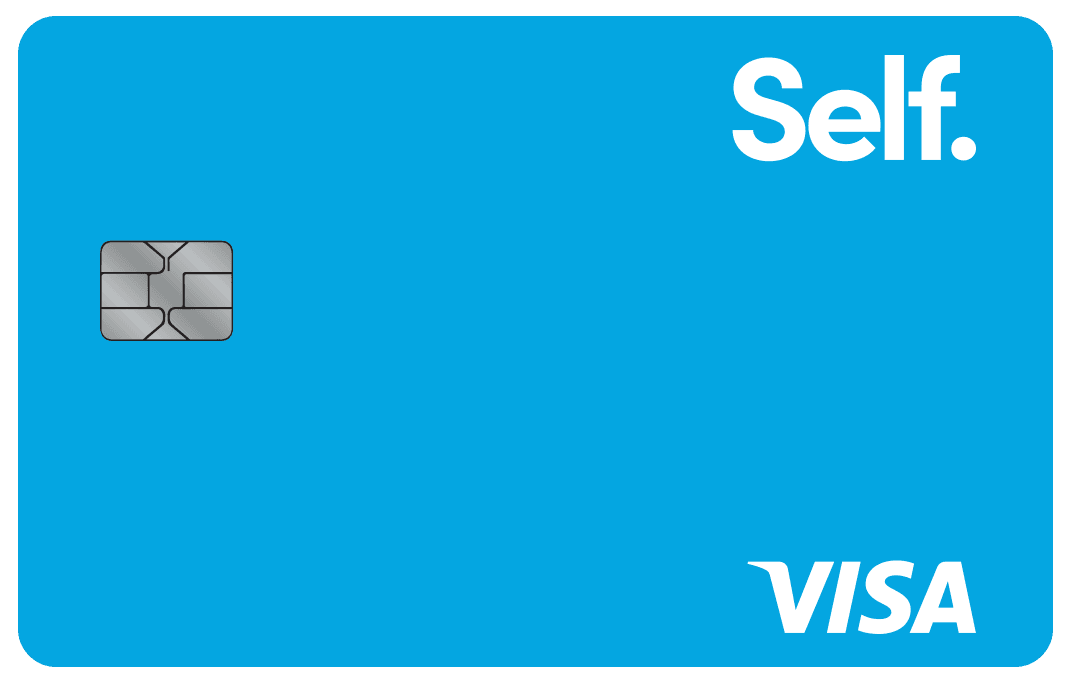
Self Visa® Credit Card
Start the path to financial freedom.
Fee
$25 (Intro annual fee for new customers (first year): $0)
APR
27.49%
Minimum Deposit Amount
$100
Credit Check
No
Cashback
N/A
Benefit
High approval rates

Kikoff Credit Account
Everything you need to build your credit, right in one app. Build credit, lower debt, and unlock progress with tools that actually work.
Loan Amount
$750-$3,500 depends on the plan
Term
12 months
APR
0%
Admin Fee
$0
Monthly Fee
$5/month for Basic plan, $20/mo for Premium plan $35/mo for Ultimate plan
Credit Check
No
Average Score Increase
An avg increase of +86 points within a year with on-time payments
Frequently Asked Questions
When should I switch from a secured to an unsecured credit card? Most people are ready after 12 to 18 months of on-time payments and a credit score of 650 or above. Check with your issuer about a product upgrade before applying for a new card elsewhere.
Will upgrading from a secured card hurt my credit score? A product upgrade typically has no negative impact because the account stays the same. Applying for a brand-new card creates a hard inquiry that may temporarily lower your score by a few points.
What credit score do I need to get an unsecured credit card? Most unsecured cards require a score of 620 to 670 or higher. Premium rewards cards typically require 700 or above. A score of 650 qualifies you for many standard unsecured options.
What should I do with my secured card after I upgrade? If you got a product upgrade, your secured card becomes your unsecured card — nothing changes. If you opened a new card instead, keep the secured card open if it has no annual fee, as its account age continues to benefit your score.
Can I get my security deposit back without closing my account? Yes, through a product upgrade. Your issuer converts the card to unsecured and returns your deposit while keeping the account history intact.

Firstcard Educational Content Team - March 28, 2026