
If you're looking to build credit without a traditional credit card, Chime Credit Builder and Self are two of the most popular options on the market. Both help you build credit through regular payments reported to the bureaus, but they work quite differently. This comparison will help you decide which program aligns better with your credit goals. For a deeper hands-on look at Self specifically the credit-builder loan plus secured card combination see our full Self Lender review.
How Chime Credit Builder Works
Chime Credit Builder is a secured Visa credit card available to Chime checking account holders. There's no credit check and no minimum security deposit required. To use it, you transfer money from your Chime checking account to your Credit Builder account, that balance becomes your spending limit.
When you make purchases with the card, Chime automatically pays off your balance from the money you already moved over, so you never carry debt or accrue interest. Because the card pulls from a balance you pre-funded, it has a built-in safety rail that blocks overspending. Our explainer Can You Overdraft the Chime Credit Builder Card? walks through exactly how that rail works and what happens if you try. Chime then reports your on-time payment activity to all three credit bureaus each month. There are no annual fees, no interest charges, and no minimum deposit, making it one of the most affordable credit-building tools available. To understand exactly what gets reported each cycle, read our guide on credit builder card monthly payments.
Chime Card™
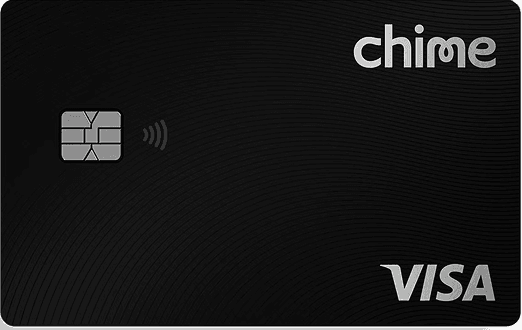
Chime Card™
Chime Card™ is Chime's secured credit card and has the reliable Chime credit-building features plus 5% cash back rewards on category of choice (with qualifying direct deposit) and access to cash at ATMs.¹
Fee
$0
APR
No interest
Minimum Deposit Amount
$0
Credit Check
No
Cashback
5% cash back rewards on category of choice (with qualifying direct deposit)
Benefit
Overdraft up to $200 without fees for eligible members.
How Self Works
Self offers a credit builder loan, a small installment loan where the funds are held in a certificate of deposit (CD) while you make fixed monthly payments. You choose a payment plan ($25, $35, $48, or $150 per month) over a 24-month term. Self reports each on-time payment to all three credit bureaus.
At the end of your loan term, you receive the accumulated savings minus a small amount of interest (around 0.1% APR). There's a one-time $9 administrative fee to open the account. Self also offers a secured Visa credit card for existing loan holders who want to add a revolving credit line to their credit mix.

If you specifically want the card side of Self's lineup, the Self Visa Credit Card pairs naturally with the credit builder loan. Once you have built enough savings inside the Self Credit Builder Account, the Self Visa unlocks as a real revolving Visa that reports utilization to the three bureaus. It is the closest direct apples-to-apples comparison against the Chime Credit Builder card on the credit-mix question.

Costs Comparison
Chime Credit Builder has zero fees, no annual fee, no interest, no minimum deposit, no administrative charges. You just need a Chime checking account. If you already bank with Chime, the credit-building feature is completely free.
Self charges a one-time $9 admin fee to open your credit builder account. Your monthly payments ($25-$150) go toward your CD savings, so most of that money comes back to you at the end. However, you do pay a small amount of interest over the 24-month term. Overall, Self is still affordable, but Chime is the cheaper option if you're already a Chime customer or willing to open an account.
Credit Reporting and Speed of Results
Both Chime and Self report to all three major credit bureaus (Experian, Equifax, and TransUnion). You can typically see credit score improvements within 30-60 days of your first payment, though results vary based on your starting credit situation.
The key difference is credit mix. Chime adds a revolving credit line (credit card) to your report, while Self adds an installment loan. Having both types of credit can improve your score faster than either alone. Learn how Chime Credit Builder works, whether Self is a good option, and read our deeper Self Lender review for a step-by-step look at how Self builds credit from scratch. You can also compare these programs against traditional options in our credit builder loan vs. secured credit card guide.
Eligibility Requirements
Chime requires you to open a Chime checking account first, which has basic eligibility requirements (age 18+, valid ID, SSN). The Credit Builder card is then available to most Chime account holders with no credit check and no additional approval process.
Self has minimal eligibility requirements, you mainly need a valid ID, Social Security number, and a U.S. phone number. Self performs a soft credit check, which doesn't hurt your credit score. Self may be a better fit if you don't want to switch banks or open a new checking account.
A Third Option Worth Knowing: Current Build Card
If neither Chime nor Self quite fits, the Current Build Card sits in the same debit-style credit-builder lane as Chime but plugs into Current's banking app instead of Chime's. It has no annual fee, no credit check, no required deposit minimum, and reports to all three bureaus. It is a useful third data point if you want a credit-builder card that pairs with a different checking account.
Current Build Card
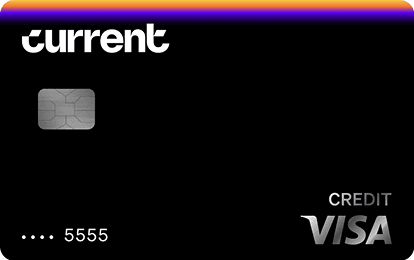
Current Build Card
$0 annual fee. No minimum deposit required. No credit check required. 1 point per dollar on eligible categories. Reports to Experian, TransUnion, Equifax.
Fee
$0
APR
0%
Minimum Deposit Amount
$0
Credit Check
No
Cashback
1 point/dollar on eligible categories (with qualifying payroll deposit)
Benefit
No credit check, no deposit minimum
Which Is Better for You?
Choose Chime Credit Builder if you want zero fees, no credit check, and a simple secured card experience. It's ideal if you're already a Chime customer or don't mind opening a Chime checking account. The flexibility to spend and have payments automatically covered makes it very hands-off.
Choose Self if you want to add an installment loan to your credit mix, prefer a structured savings commitment, or don't want to open a new bank account. Self's credit builder loan is a different credit type than a card, which can diversify your credit profile.
Both programs work well for building credit responsibly. The best choice depends on your banking preferences, budget, and whether you want revolving credit (Chime) or installment credit (Self) on your report.
Frequently Asked Questions
Can I use both Chime Credit Builder and Self at the same time?
Yes, and it can actually help your credit score. Chime adds a revolving credit line while Self adds an installment loan. Having both credit types diversifies your credit mix, which is a factor in your FICO score calculation.
Do Chime and Self do hard credit checks?
Neither performs a hard credit inquiry. Chime doesn't check credit at all for its Credit Builder card. Self performs a soft inquiry that doesn't affect your score. Both are safe to apply for without worrying about credit impact.
How much should I contribute each month?
Start with an amount you can consistently afford. With Chime, you transfer whatever you plan to spend, even small amounts build credit. With Self, choose the $25/month plan if budget is tight. Consistency and on-time payments matter more than the dollar amount.
What happens if I miss a payment with either program?
With Chime, you're spending money you already transferred, so missed payments are unlikely. If your balance isn't covered, Chime may report a late payment. With Self, a missed payment can hurt your score and trigger a late fee (5% of your monthly payment if 15+ days late).
Can I cancel early and get my money back?
With Chime, you can stop using the Credit Builder card anytime, there's no commitment. With Self, you can close your account early and receive whatever has accumulated in your CD, minus the $9 admin fee and any accrued interest.
Building credit doesn't have to be complicated or expensive. Whether you choose Chime Credit Builder or Self, both programs report to the major credit bureaus and help you establish a positive payment history. The key is consistency, make your payments on time, every time, and watch your credit score grow. Firstcard is here to support your entire credit-building journey with resources, reviews, and guidance every step of the way.




