
Credit-builder products usually come in two flavors: a secured credit card or an installment-style builder loan. A credit builder line of credit is a third option that sits between them, and it solves a specific problem: most thin-file consumers do not have a revolving account old enough to count, but a builder line of credit is a brand-new revolving account from day one. Here is exactly how it works, who benefits most, and how to compare it to the alternatives.
What a Credit Builder Line of Credit Is
A credit builder line of credit is a small revolving account, usually $500 to $1,500, that an issuer extends to you and immediately reports to the credit bureaus as an open revolving line. Some products require you to make a small monthly purchase from a curated catalog. Others charge a fixed monthly fee that funds your line. The common feature: a revolving tradeline appears on your credit report, you make small monthly payments, and your on-time history feeds into your score.
Unlike a secured credit card, the line of credit does not require a refundable security deposit. Unlike a credit builder loan, the activity is reported as revolving credit (the same category as a credit card) instead of installment credit (the same category as an auto or personal loan).
Why Revolving History Matters
FICO and VantageScore both look at your credit mix, which is one part of how credit scores are calculated. Files with both revolving and installment history score higher than files with only one type. For someone who has only an auto loan or a builder loan, adding a revolving account can lift the score by 10 to 30 points purely from the credit-mix factor.
Builder lines of credit also help with utilization. If your line is $500 and your typical reported balance is $50, your utilization is 10%, which is the textbook target.
How a Credit Builder Line of Credit Works, Step by Step
- Application: soft pull only on most products. Approval is based on basic identity and income checks, not your credit score.
- Issuance: the issuer opens a small revolving line, typically $500 to $1,500.
- Activity: you either make a small required purchase from a partner catalog (Kikoff is the most well-known example) or pay a fixed fee that creates the monthly billing event.
- Reporting: the issuer reports the line to all three credit bureaus as an open revolving account.
- Payment: you pay the small balance every month.
- Aging: as the account ages, your average age of accounts grows and the on-time payment history compounds.
Because there is no hard pull, there is no inquiry hit. Because there is no security deposit, there is no money locked up.
Who Benefits Most
A credit builder line of credit makes sense for:
- Thin-file consumers who have a builder loan or auto loan but no revolving credit.
- Subprime applicants who keep getting denied for traditional credit cards.
- People who do not want to risk a security deposit on a secured card.
- Newcomers and immigrants building U.S. credit from scratch.
- Anyone trying to optimize credit mix ahead of a mortgage application.
It is not the right fit for someone who already has multiple aged credit cards. The marginal score impact of one more revolving account on a thick file is small.
How It Compares to Other Builder Products
vs Credit Builder Loan
- Reports as: installment, not revolving.
- Funds: locked in savings, returned at end of term.
- Cost: small interest charges (often single digits) plus an admin fee.
- Best for: building installment history and savings together.
Products like the Self.Inc Credit Builder Account, Cheers Credit Builder Loan, and Magnum by CreditStrong sit in this category. For the head-to-head, see credit builder loan vs secured credit card.

vs Secured Credit Card
- Reports as: revolving, like a builder line.
- Funds: require a refundable security deposit (usually $200+).
- Cost: no interest if paid in full; APR applies if you carry a balance.
- Best for: real spending power with built-in deposit protection.
The Self Visa® Credit Card, OpenSky, and Kikoff Secured Credit Card all fit here. The Current Build Card sits in a hybrid category but reports similarly.
Another hybrid worth knowing is the Chime Credit Builder Visa, which has no annual fee, no interest, and no minimum security deposit. You move money into a secured account, spend from it like a normal card, and Chime reports the on-time activity as revolving history to all three bureaus. It is a clean way to add a revolving tradeline if you want card-style spending without locking up a fixed deposit.
Chime Card™
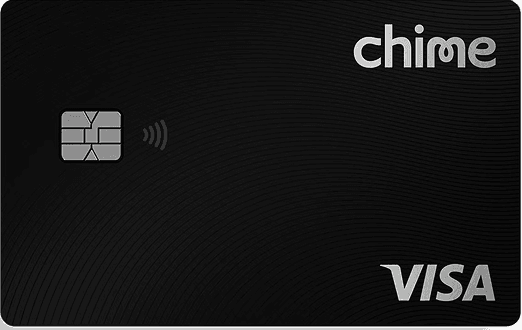
Chime Card™
Chime Card™ is Chime's secured credit card and has the reliable Chime credit-building features plus 5% cash back rewards on category of choice (with qualifying direct deposit) and access to cash at ATMs.¹
Fee
$0
APR
No interest
Minimum Deposit Amount
$0
Credit Check
No
Cashback
5% cash back rewards on category of choice (with qualifying direct deposit)
Benefit
Overdraft up to $200 without fees for eligible members.
vs Credit Builder Line of Credit
- Reports as: revolving.
- Funds: no deposit, small monthly fee or required purchase.
- Cost: flat monthly fee on the order of $5-$15 depending on the product.
- Best for: adding revolving history without locking up a deposit.
What to Watch For
Not every credit builder line of credit is a good deal. Compare:
- Reporting to all three bureaus. Some products only report to one or two. All three is the bar.
- Total annual cost. A $5/month fee is $60/year. A $15/month fee is $180/year. Compare the cost to a $0 to $35 annual fee on a secured card.
- Required purchases. If the catalog products are overpriced, you are paying both the markup and the monthly cost.
- Reporting type. Some products report as a flexible spending account or installment loan rather than revolving. Confirm before signing up.
- Cancel policy. Closing a builder line of credit shortens your average age of accounts. Pick a product you can keep open for at least a year.
How to Use a Builder Line of Credit Effectively
- Pair it with a builder loan. A revolving builder line plus an installment builder loan covers both major credit categories at once.
- Keep utilization under 30%. Lower is better. The classic 10% target works here too.
- Pay every month, on time. Auto-pay removes the only real risk: forgetting.
- Do not close it early. The credit-building benefit comes from age. Keep the account open at least 12 to 24 months.
- Monitor weekly. Creditship provides free weekly tracking and shows which factors actually moved.
Realistic Expectations
Most users with thin or no files see a 30 to 80 point lift within 6 months when a builder line of credit is added on top of an existing credit-building app. Score gains slow after that as the file matures.
Builder lines do not erase negative items. If you have collections or charge-offs on your file, you also need to address those directly through dispute or settlement, possibly with help from services like Dovly or Credit Saint.
Frequently Asked Questions
Is a credit builder line of credit better than a secured card?
It depends on whether you have spare cash for a deposit. If yes, a secured card is usually a better long-term tool because it graduates to an unsecured card and gives real spending power. If no, a builder line of credit gets revolving history on your report without locking up money.
Does a credit builder line of credit require a credit check?
Most do a soft pull only. Hard pulls are rare on builder lines because the products are designed for thin files where a hard pull would be a barrier to entry.
How quickly will my score go up?
Most users see the new account on their report within 30 to 60 days. Score gains are typical within 60 to 90 days, with bigger lifts after the first 6 months as payment history accumulates.
Can I cancel a credit builder line of credit anytime?
Yes, but it can hurt your score by shortening your average age of accounts and reducing your available revolving credit. Keep the line open at least 12 months before cancelling, and ideally longer.



