
Free trials are designed to convert. The pattern is familiar: enter a credit card, click "start free trial," forget about it, and 30 days later see a charge for $14.99 or $79 a year. The good news is that the right credit card or virtual-card service makes both signing up and canceling painless. Here is what to use and how to keep auto-renewals from bleeding your bank account.
Why Free Trials Want a Credit Card
Merchants run a $1 (sometimes $0) authorization hold to verify the card is real and has funds. The hold drops off in a few days. The card stays on file for the eventual recurring charge.
Debit cards do not work as well for trials because:
- The authorization hold ties up real money in your checking account.
- If the merchant overcharges, you have to chase a refund.
- Stopping a recurring charge usually requires closing the debit card or going through bank dispute, both of which are slower than using a credit card.
For any free trial that auto-renews, a credit card is almost always the better tool.
What Makes a Credit Card Good for Free Trials
- Strong fraud and dispute support. If the merchant ignores your cancellation, you want a card issuer that quickly reverses the charge via chargeback.
- Easy mobile cancellation alerts. Some cards let you flag a recurring merchant and notify you before each charge.
- Virtual-card numbers. Several issuers allow you to generate a one-time or recurring-merchant-specific card number that masks your real account.
- Zero-liability fraud policy. Federal law caps liability at $50, but most major issuers go to $0.
- Cashback or rewards on purchases. If you do convert, you may as well earn points.
Top Credit Card Picks
Current Build Card
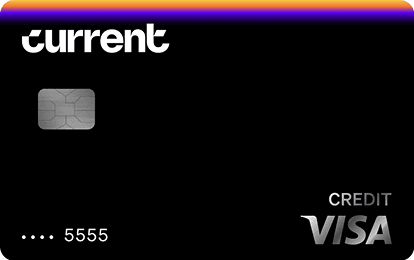
The Current Build Card is our top pick for free-trial sign-ups, and it comes down to control. The underlying banking app lets you spin up virtual card numbers and toggle any of them off the moment a merchant gets pushy, so a forgotten trial cannot run away with a $79 renewal, the charge simply gets declined. It is a secured product with no minimum deposit and no credit check required, and there is no annual fee. Current reports your activity to all three major bureaus, so any trial you convert into a real subscription quietly builds your file. You also earn 1 point per dollar on eligible categories, so the purchases that do convert still earn a little back.
Current Build Card
Current Build Card
$0 annual fee. No minimum deposit required. No credit check required. 1 point per dollar on eligible categories. Reports to Experian, TransUnion, Equifax.
Fee
$0
APR
0%
Minimum Deposit Amount
$0
Credit Check
No
Cashback
1 point/dollar on eligible categories (with qualifying payroll deposit)
Benefit
No credit check, no deposit minimum
Revolut
If your main goal is to spin up a fresh card number for every trial, Revolut is the neobank built for it. A free Revolut account lets you create multiple virtual cards (up to 20 active at a time) plus a disposable card whose number refreshes after every purchase, so a merchant never sees a number it can bill twice. You can delete or freeze any virtual card in a couple of taps, which kills a recurring charge instantly without a single support call. Revolut is one of the digital banks that came through the neobank shakeout in good shape, so the feature set is stable. One catch: disposable cards are not meant for recurring billing, so use a regular multi-use virtual card with a low limit for any trial you actually plan to keep.
Capital One Quicksilver / SavorOne
Virtual-card support through the Eno browser extension. Generate a unique virtual card number per merchant. If a service won't cancel, you simply revoke the virtual card and the charges stop. 1.5%-3% cash back on regular purchases.
Best for: people who want a single tool for both real purchases and free-trial sign-ups.
Citi Double Cash
2% cash back on everything (1% when you buy + 1% when you pay). Citi's virtual card number tool lets you generate a temporary card number for online use. Strong dispute and chargeback process.
Best for: earning the most predictable 2% rewards on purchases that do convert from trial.
American Express Blue Cash Everyday
No annual fee, 3% cash back at U.S. supermarkets, gas, and online retail. Amex's customer service for unauthorized charges is among the best in the industry.
Best for: Amex's dispute process and high category bonuses if the trial converts to a recurring service you actually want.
Discover it® Cash Back
Rotating 5% categories, freeze-on-app feature, free FICO score. The freeze feature lets you instantly stop charges from going through, which doubles as a panic button if a merchant ignores your cancel request.
Best for: users who want easy on/off control of the card.
Chase (via Chase Temporary Card Numbers)
If you have a Chase card, you can generate a Chase temporary credit card number for online merchants. Same idea as Capital One's Eno: revoke the virtual number, the charges stop.
For Thinner Credit Files
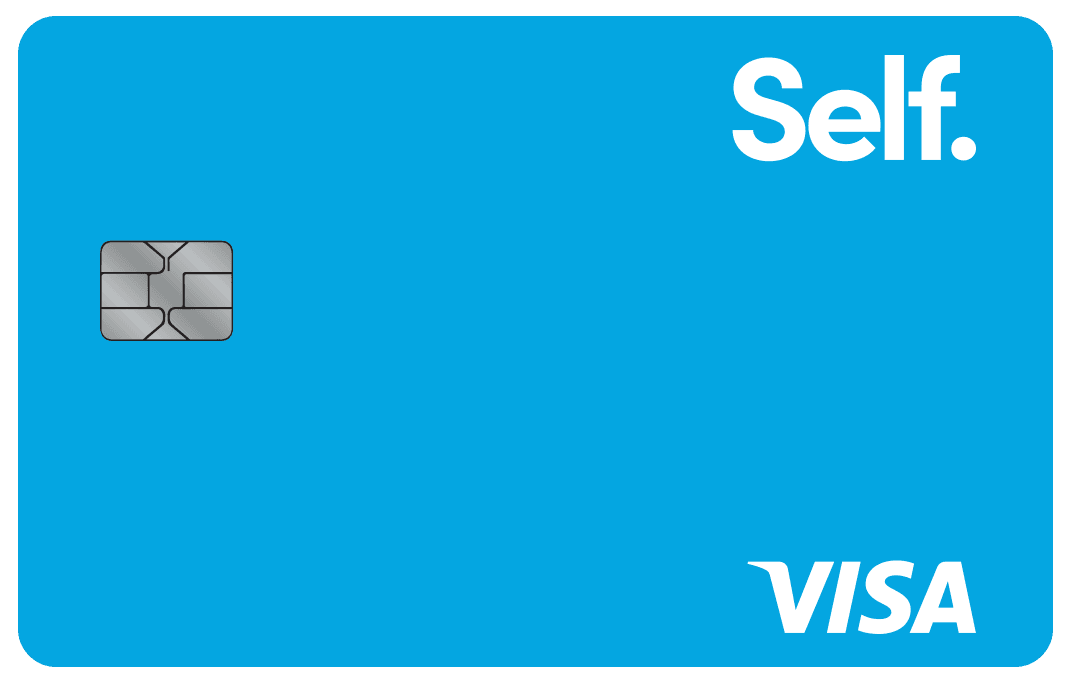
If you do not yet qualify for a major rewards card, starter cards still work for trials. The Self Visa® Credit Card, OpenSky, and Chime Card all process online charges normally and report to all three bureaus, which builds your file while you sign up for trials.
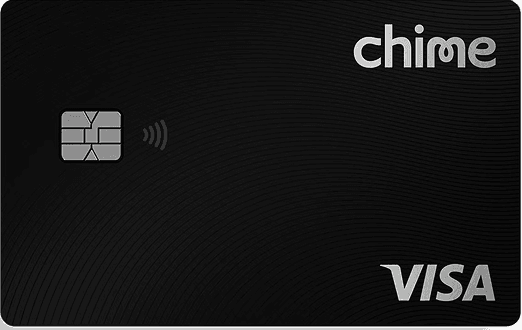
The Chime Card is especially friendly for online trial sign-ups because it is a secured card with no preset spending limit, so it can only ever charge what you have already moved into the account. A forgotten trial gets declined instead of hitting you for a full renewal, and you get a virtual card plus a one-tap card lock in the app the moment you are approved, so you can freeze the number the second a merchant ignores your cancellation. It reports to all three bureaus, so the activity you generate from trial-related charges still helps thicken a thin file. Our Chime review covers how the checking, savings, and early-pay features fit around the card.
Chime Card™
Chime Card™
Chime Card™ is Chime's secured credit card and has the reliable Chime credit-building features plus 5% cash back rewards on category of choice (with qualifying direct deposit) and access to cash at ATMs.¹
Fee
$0
APR
No interest
Minimum Deposit Amount
$0
Credit Check
No
Cashback
5% cash back rewards on category of choice (with qualifying direct deposit)
Benefit
Overdraft up to $200 without fees for eligible members.
If your file is fair rather than thin and you want something unsecured to keep in your wallet for ongoing subscriptions, the Aspire Mastercard is worth looking at. It offers a real prequalification check that does not ding your score, which makes it a low-risk way to find out whether you can graduate past secured cards before you commit a single trial charge to it.
Aspire® Cash Back Rewards Mastercard

Aspire® Cash Back Rewards Mastercard
Aspire® Cash Back Rewards Mastercard. Prequalify* For Up To $1000 Credit Limit. No security deposit. Packed with great benefits, it’s designed to give you more flexibility—and purchasing power—along with up to 3% cash back rewards!** Good anywhere Mastercard is accepted, it’s the go-to card for any lifestyle.
Standout feature
Up to 3% cashback rewards**
Fees
$85–$175 first year, $229 thereafter (maintenance fees already included)
Pros
No Deposit Required. Prequalify* for up to $1000 credit limit
Cons
High APR, 36% Fixed.
Virtual Card Services (The Most Powerful Tool)
Virtual cards are the cheat code for free trials. They are temporary or merchant-locked card numbers tied to your real card. Two reasons they crush traditional credit cards for trials:
- Set spending limits per card. A trial that says "$0 for 30 days then $19.99" can be capped at $1, so even if you forget to cancel, the recurring charge is declined.
- Pause or close the card with one click. No customer service calls, no merchant negotiation.
The biggest privacy-card service is Privacy.com (free), although Capital One's Eno and Citi's virtual account numbers offer similar functionality if you already have those cards.
A Practical Free-Trial Workflow
1. Generate a virtual card per trial
Use Privacy.com or Eno to create a unique virtual card number for each free trial. Set a $1 spending limit so any unauthorized charge is declined.
2. Calendar the cancel date
The second you sign up, set a calendar reminder for 2 days before the trial ends. Two days, not the day before. Time-zone math and weekend support gaps cost real money.
3. Cancel a few days early
Most services honor cancellations until the moment the trial ends. Canceling early gives you buffer time if the cancel button does not actually work the first time (a surprisingly common bug).
4. Save the cancellation confirmation
Screenshot the confirmation email or web page. If the merchant charges you anyway, this is your evidence for a chargeback.
5. If charged, dispute fast
Major card issuers will typically reverse a recurring charge if you have proof of cancellation. Call the number on the back of the card, request a chargeback, and provide the screenshot.
What About Prepaid Cards or Debit Cards?
Prepaid cards work for some trials but not others. Many merchants reject them because they cannot reliably bill the recurring charge. Streaming services, gym memberships, and software subscriptions usually accept them. Travel sites, insurance, and high-ticket subscriptions often reject them.
Debit cards work but are riskier. The trial holds tie up real money, refunds are slower, and a forgotten cancellation hits your checking account directly.
For zero-stakes trial sign-ups, a virtual card on top of a real credit card is the safest combination.
A Note on "Free Trial" Schemes That Aren't Free
Some offers labeled as free trials are not. Watch for:
- "Free trial, $4.95 shipping" then auto-enrollment in a $79/month subscription
- Trial gateways that require entering details on a page that does not say "trial"
- Sweepstakes and "risk-free" offers that share your card with multiple merchants
A virtual card with a $1 cap stops most of these in their tracks.
Free Trials and Building Credit
If you do convert a trial to a paid subscription, putting that recurring charge on a builder card adds steady, predictable activity that reports to all three bureaus. A monthly Netflix charge on a Self Visa® Credit Card or Current Build Card, paid in full each month, is exactly the kind of low-utilization positive history that lifts a thin file. Gamers tend to stack the most recurring subscriptions of all, Game Pass, PlayStation Plus, Discord Nitro, and the occasional trial, so if that describes your spending, our guide to the best credit cards for gamers covers cards that reward those charges while you build.
Monitor weekly with Creditship to confirm the activity is reporting correctly.
Creditship

Creditship
Get free credit monitoring and concrete advice how to improve your credit from Creditship AI.
Standout feature
AI Credit Coach. AI analyzes your credit report in depth and gives you tailored, actionable steps to raise your score.
Fees
Free
Pros
Free credit report access plus monitoring and alerts
Cons
No credit repair feature
Frequently Asked Questions
Can I use a virtual credit card for free trials?
Yes, and it is the safest option. Virtual cards from Privacy.com, Capital One Eno, or Citi Virtual Account Numbers let you set spending caps and pause the card any time, which makes auto-renewals harmless.
Is there a neobank that lets me issue multiple cards for trials?
Yes. Revolut lets you keep several virtual cards active at once and add a disposable card whose number changes after every purchase, which is ideal for one-off trial sign-ups. Chime gives you a virtual card and an instant in-app card lock, and because its secured card has no preset limit, a trial can only ever charge what you moved into the account.
Will canceling a free trial hurt my credit?
No. Canceling a subscription is not reported to credit bureaus. Only missed payments on credit accounts hurt your score.
What if a company refuses to cancel my trial?
File a chargeback through your credit card issuer with proof of cancellation. Most major card issuers reverse the charge within 7 to 14 days when the cancel-attempt evidence is strong.
Can I use a debit card for a free trial?
Yes, but not recommended. Debit cards tie up real money during authorization holds and offer weaker dispute protection than credit cards. Use a credit card or virtual card whenever possible.



