Sites that ask for a credit card "just to verify" send up two questions at once: how does the verification actually work, and is it safe to enter a real card? Both have specific answers. Here is how the $1 auth-hold mechanic works under the hood, which cards reliably pass it, and how to verify on sketchy sites without putting your real account at risk.
What "Verification" Actually Means
When a website asks for a card to verify, the merchant runs a $0 or $1 authorization request through the card networks (Visa, Mastercard, Amex, Discover). The card issuer checks whether the card is valid, has available credit, and is not flagged for fraud. If everything looks fine, the issuer sends back an approval and the merchant treats your account as verified.
The authorization hold either:
- Releases automatically within 1-7 days (most common), or
- Is captured as an actual charge if the merchant decides to bill (less common for verification but possible)
This is how rideshare apps confirm new riders, streaming services validate trial sign-ups, marketplaces verify sellers, and some age-gated sites confirm a user is over 18.
Why a Credit Card Is Better Than a Debit Card for Verification
- The hold uses available credit, not real money. A $1 hold on a debit card temporarily reduces your checking balance.
- Stronger dispute protection if the verification turns into a charge.
- Federal law caps liability at $50 on credit cards (most major issuers go to $0). Debit cards have weaker protections under Regulation E if you do not report fast.
- Easier to freeze or replace if a verification was on a sketchy site.
If the only goal is verification with no recurring charge, a credit card is almost always safer.
Which Cards Reliably Pass Verification
Major issuer credit cards
Visa, Mastercard, American Express, and Discover from major issuers (Chase, Citi, Capital One, Bank of America, Wells Fargo) pass verification on virtually every legitimate site. AVS (Address Verification System) and CVV checks are seamless.
Builder and starter credit cards
The Self Visa® Credit Card, OpenSky, and Kikoff Secured Credit Card are real Visa or Mastercard credit cards. They pass verification on the same networks. The Current Build Card is a Visa debit-style product that uses real-time funds reservation rather than credit, but it passes verification on most sites.

The Best No-Deposit Card for Verification Prompts
For verification prompts and free-trial sign-ups specifically, the Current Build Card is one of the most flexible picks because it requires no security deposit and works smoothly with virtual-card style spending. The Current Build Card passes the standard $1 authorization on most sites, reports your activity to help build credit, and lets you keep a low balance loaded so a surprise post-trial charge has little room to land. That combination of no deposit and tight balance control is exactly what you want when you are verifying on a site you do not fully trust.
Current Build Card
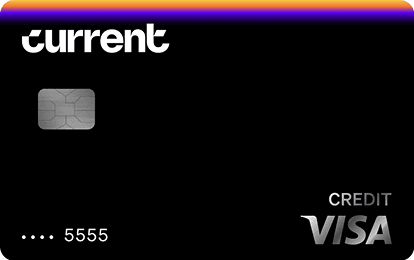
Current Build Card
$0 annual fee. No minimum deposit required. No credit check required. 1 point per dollar on eligible categories. Reports to Experian, TransUnion, Equifax.
Fee
$0
APR
0%
Minimum Deposit Amount
$0
Credit Check
No
Cashback
1 point/dollar on eligible categories (with qualifying payroll deposit)
Benefit
No credit check, no deposit minimum
An Unsecured Starter Card That Passes Verification
If you would rather verify with a true unsecured credit card than a debit-style product, the Aspire Cash Back Rewards Mastercard is an accessible option that passes the same $1 authorization on legitimate sites. The Aspire card prequalifies applicants with bad or limited credit up to a $1,000 limit with no security deposit, reports to all three bureaus, and runs on the Mastercard network that verification pages expect. Because it is a real revolving credit line rather than a prepaid or debit product, the Aspire card sidesteps the prepaid-card rejections that trip up streaming and rideshare sign-ups.
Aspire® Cash Back Rewards Mastercard
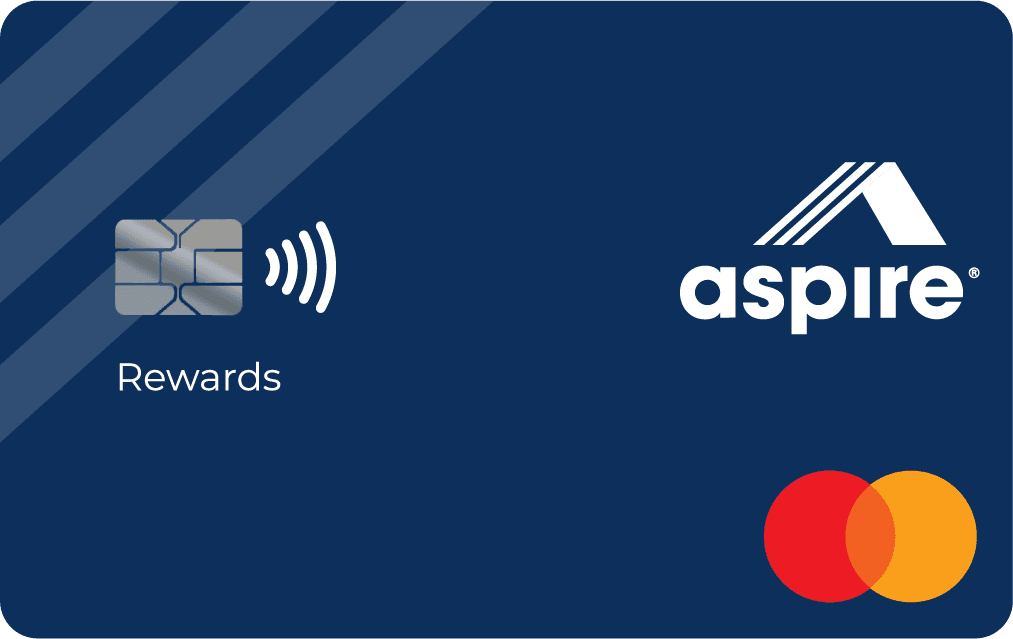
Aspire® Cash Back Rewards Mastercard
Aspire® Cash Back Rewards Mastercard. Prequalify* For Up To $1000 Credit Limit. No security deposit. Packed with great benefits, it’s designed to give you more flexibility and purchasing power, along with up to 3% cash back rewards!** Good anywhere Mastercard is accepted, it’s the go-to card for any lifestyle.
Standout feature
Up to 3% cashback rewards**
Fees
$49 to $175 first year, then $0 to $49 per year plus $5 to $15/mo maintenance fee
Pros
No Deposit Required. Prequalify* for up to $1000 credit limit
Cons
High APR (29.99% or 36%) and a monthly maintenance fee from year two
Virtual cards from major issuers
Capital One Eno virtual numbers and Chase temporary credit card numbers pass on most merchants. Some sites flag virtual cards as "prepaid" and reject them, but legitimate verification sites usually accept them.
Which Cards Often Fail Verification
Prepaid debit cards
General-purpose prepaid cards (Bluebird, NetSpend, Walmart MoneyCard) are flagged by many sites because they cannot be billed reliably for recurring charges, and the AVS data is sometimes generic. Streaming services, rideshare apps, and most marketplaces reject prepaid cards.
Some gift cards loaded as credit cards
Visa or Mastercard prepaid gift cards usually fail AVS because there is no real billing address attached. They work at point of sale but rarely online.
Some single-use virtual cards
If the verification site requires a recurring billing capability, single-use virtual cards may be flagged. The fix is to use a recurring virtual card from Privacy.com or Capital One Eno that locks to one merchant but works for repeated charges.
How to Verify Safely on a Site You Do Not Fully Trust
Use a virtual card with a low limit
A Privacy.com virtual card capped at $5 will pass verification (the $1 auth fits) but will reject any recurring charge above the cap. If the site turns out to bill $9.99/month, the charge bounces.
Use a card with strong dispute support
American Express, Capital One, Chase, and Discover all have aggressive dispute and chargeback policies. If a verification turns into a charge you did not authorize, you have backup.
Check the cardholder agreement for declined-merchant lists
Some card issuers preemptively block payments to known scam categories. Capital One and Discover are notably proactive. If the verification site is sketchy, an issuer-level block is the cleanest defense.
Watch for the $1 hold to drop
Log in to your card account 3-7 days after verification. If the hold is still there or has converted to a real charge, dispute it immediately.
Common Mistakes
- Using a debit card on an unfamiliar site. Real money is held and refund times are slow.
- Entering a primary card on a verification page that has no "verify" indication. If the page describes a payment, not verification, you are likely paying.
- Saving the card to the merchant after verification. Uncheck "save card for future purchases" unless you are sure you want them to bill again.
- Using a workplace or family card. Verification can leave a trail of recurring charges that get charged later. Use your own card or a virtual one.
Verification on Trial Sites and Auto-Renewal Subscriptions
Many "verify" prompts are actually the start of a free trial that auto-renews. The prompt language is intentionally vague. The protective move:
- Read the fine print near the verification button. If it mentions "trial," "renewal," or "membership," it is a sign-up, not just verification.
- Use a virtual card with a $1 cap so any post-trial charge fails.
- Cancel the trial within the trial window. Take a screenshot of the confirmation.
Verification on Age-Gated and Adult-Content Sites
Legitimate adult sites use a card primarily for age verification under 18 USC 2257. The risks here are less about being charged and more about chargebacks and merchant data leaks. Virtual cards through Privacy.com or Capital One Eno are the most common defense, since the masked card number cannot be used elsewhere if the merchant is breached.
What If You Got Charged After Just "Verifying"?
- Email the merchant requesting a refund and a copy of their TOS section that authorized the charge.
- If they refuse, file a chargeback through your card issuer.
- Submit any screenshots, the verification confirmation, and the merchant's email response.
- The issuer typically reverses the charge within 7 to 14 days when documentation is solid.
Services like Dovly help if a fraudulent verification turned into a collection on your credit report.
Verification and Credit Building
Legitimate verification charges that are immediately released do not affect your credit score. The brief authorization hold uses available credit but is not reported to bureaus. Only actual paid balances and on-time activity are reported.
If you want every legitimate purchase to also build your credit, use a builder card like the Self Visa® Credit Card or Current Build Card. Track score movement weekly with Creditship.
Frequently Asked Questions
Can I use a prepaid card for online verification?
Sometimes. Visa or Mastercard prepaid cards from issuers like Bluebird usually pass verification at small e-commerce sites but fail at streaming services, rideshare apps, and most large marketplaces. A virtual card from a major credit card issuer is more reliable.
Why does a site need to verify my credit card?
Legitimate reasons include preventing fake accounts, age verification, fraud screening, and adding a payment method for future charges. Some sites use "verification" as a euphemism for starting a paid subscription, so read the fine print.
Will the $1 verification charge appear on my statement?
Yes, briefly. Most $1 authorization holds drop off within 1 to 7 days and never become real charges. If the hold persists past 10 days, dispute it.
Is it safe to use my real credit card for verification?
For reputable companies (rideshare, streaming, marketplaces), yes. For unfamiliar or suspicious sites, use a virtual card with a low limit. The dispute protections on credit cards are strong but a virtual card adds another layer of safety.

The Firstcard team writes simple, research-backed guides on credit, cards, and credit building. Firstcard has been helping people build credit and save money since 2020. Full profile and latest articles →