A "limited credit history" file is one where the bureaus simply do not have enough on you to score confidently. You might have one account, no accounts, or a few accounts that are all very young. The catch is real: most prime credit cards want at least 6 to 12 months of history, and you cannot build that history without a card. The fix is starter cards designed for thin files, which approve based on income and identity verification rather than years of payment data. (See also: first time credit card no credit history. Also worth comparing: our 2026 roundup of the best credit cards for first-time users, which ranks approval-friendly picks specifically for someone opening their very first tradeline.)
Thin files tend to cluster in a few groups, and each has a tailored guide: if you are just turning 18, new to the US with no domestic history, or self-employed without a W-2, the picks below still apply, but those guides narrow the field for your situation.
Here are the cards that work, what to look for in the application terms, and how to graduate to a real rewards card within a year.
What "Limited Credit History" Actually Means
FICO needs at least 6 months of history on at least one credit account before it can produce a score. VantageScore 4.0 can produce a score with as little as one month of history. So you may have a VantageScore of 640 in Credit Karma but no FICO score at all. That mismatch is normal for new files and starts to disappear after 6-12 months of activity.
Until then, lenders treat you as "thin file," not subprime. The decision depends on identity verification, income, and willingness to give you a small line.
Our Top 5 Picks
Current Build Card
Current Build Card — $0 annual fee, 0% APR, no credit check, no minimum deposit, no SSN required to start. Reports to all three bureaus.
The Current Build Card is the easiest entry point. Activity is funded by money you have already deposited, so there is no risk of revolving debt. It reports to Experian, Equifax, and TransUnion as a credit-style account.
Best for: total beginners, immigrants, or anyone who wants zero risk while building credit.
Current Build Card
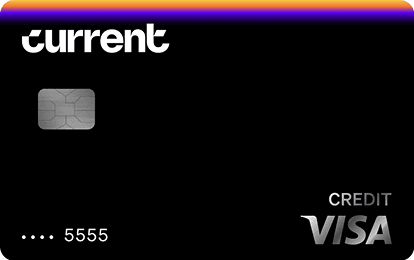
Current Build Card
$0 annual fee. No minimum deposit required. No credit check required. 1 point per dollar on eligible categories. Reports to Experian, TransUnion, Equifax.
Fee
$0
APR
0%
Minimum Deposit Amount
$0
Credit Check
No
Cashback
1 point/dollar on eligible categories (with qualifying payroll deposit)
Benefit
No credit check, no deposit minimum
OpenSky Secured Visa
OpenSky — No credit check at application, $35 annual fee, $200 minimum deposit. Reports to all three bureaus.
OpenSky is one of the only secured cards that performs no credit check at all. Approval is based on income and basic identity verification. The deposit becomes your credit limit. After 6 months of on-time payments, OpenSky Plus offers a path to an unsecured upgrade.
Best for: applicants who have been denied by other issuers or want guaranteed approval.
Self Visa® Credit Card
Self Visa® Credit Card — $25 annual fee waived for the first year. Deposit is funded by your existing Self Credit Builder Account.
Self is a hybrid: you start with a Credit Builder Account (an installment loan that builds installment history), and once you have built up enough in the savings portion, you unlock the Self Visa. Both products report to all three bureaus, and the combination of installment + revolving builds credit faster than either alone.
Best for: people who want both an installment loan and a credit card from a single ecosystem.
Kikoff Secured Credit Card
Kikoff Secured Credit Card — 0% interest, no credit check, no annual fee. Reports to all three bureaus.
Kikoff Secured combines a checking-style balance with a secured credit card. Money in your Kikoff balance backs the credit line. You can pair it with the Kikoff Credit Account installment loan for a similar dual-product setup.
Best for: users who want a debit-card spending experience with credit-building reporting.
Aspire® Cash Back Rewards Mastercard
Aspire® Cash Back Rewards Mastercard — Up to $1,000 prequalified credit limit, no security deposit, up to 3% cash back rewards. Reports to all three bureaus.
Aspire is one of the few unsecured options that approves limited-credit-history applicants and earns cash back. Prequalification is a soft pull, so checking eligibility does not affect your score.
Best for: thin-file applicants who do not want to lock up a security deposit.
What Makes a Limited-Credit Card Worth Having
Reports to all three bureaus
Single-bureau reporting builds your file slower and leaves you exposed to a single bureau's errors or delays. All three is the bar.
Low or no annual fee
$0-$35 is reasonable for a starter card. Anything over $75 on a sub-$500 limit is overpriced.
Path to graduation
A clear 6-12 month upgrade window matters. Cards that never graduate keep you stuck on a starter product.
Soft-pull prequalification
Being able to check eligibility without a hard inquiry is valuable when your file is thin. A wasted hard inquiry can drop your VantageScore by 5-10 points.
Reasonable APR
If you are responsible enough to pay in full, APR does not matter. If you might carry a balance occasionally, anything below 25% is acceptable for a starter card. Anything above 30% is punishing.
How to Use a Starter Card to Build Fast
1. Charge one recurring bill
Put a single subscription (Netflix, Spotify, your phone bill) on auto-pay through the card. The bill ensures monthly activity without overspending temptation.
2. Pay before the statement closes
Most issuers report your statement balance, not your post-due-date balance. Paying the card down before the statement closes minimizes utilization on your reported file.
3. Pay in full every month
Starter card APRs are high. Carrying a balance can wipe out months of credit-building progress in interest alone. Pay-in-full also keeps utilization at zero on the reported balance if your timing is right.
4. Add an installment account
A second product like the Self.Inc Credit Builder Account or Cheers Credit Builder Loan adds installment history alongside revolving credit, which improves your credit-mix factor. (More choices: 5 best credit building apps.)
5. Add rent reporting
Services like Self.Inc Rent & Utility Reporting and Piñata push your monthly rent payment to the bureaus, helping VantageScore 4.0 in particular.
6. Monitor weekly
Free monitoring tools like Creditship flag every change to your file in real time, which is faster than waiting for the next monthly score email.
When to Apply for a Better Card
Most thin-file users on a starter card cross 660-700 within 6 to 12 months. At that point you can:
- Ask for a credit limit increase on your existing card (sometimes a soft pull, sometimes hard).
- Apply for an unsecured rewards card like Discover it Cash Back or Capital One QuicksilverOne.
- Consider a personal loan to consolidate any old debt at a lower rate, comparing offers via MoneyLion.
Keep your starter cards open even after you graduate. They preserve your average age of accounts and add to total available credit.
Frequently Asked Questions
Can I get a credit card with no credit history at all?
Yes. Cards like the Current Build Card and OpenSky approve applicants with no credit history because they do not pull a hard credit check. Approval is based on identity verification and income.
How long until I have a real FICO score?
FICO needs at least 6 months of history on at least one account. So if you open a starter card today, expect a usable FICO score around month 7 or 8.
Will applying for one of these cards hurt my limited credit?
Most of these cards either skip the hard pull entirely (Current, OpenSky) or offer prequalification (Aspire). A hard inquiry typically costs 5 points and fades within 90 days, which is a worthwhile trade-off for a starter card that builds long-term history.
Should I apply for two starter cards at once?
No. Multiple hard inquiries in a short window can stack damage on a thin file. Apply for one card, build 6 months of history, then apply for a second card if you still want one.