You don't need credit history to get a credit card. That sounds backwards, but it's true. Millions of people get their first credit card every year with zero credit history. The key is knowing which cards are designed for beginners and how to use them to actually build credit instead of getting into debt. If this is truly step one for you, our first-timer's playbook for starting your credit journey maps out the full sequence — what to open first, how to avoid the common beginner mistakes, and how to get a score within six months. If you're specifically in college and want picks tailored to a student budget and freshman-year approvals, our companion guide on the best credit card for a college student with no credit history narrows the list to the strongest student-friendly starter cards.
Can You Actually Get a Credit Card With No Credit History?
Yes. Credit card companies know that everyone starts somewhere. They offer cards specifically for people with no credit history. You won't qualify for premium rewards cards or high credit limits, but you don't need those things anyway. What you need is a card that reports your payment history to the credit bureaus, has reasonable fees, and won't tempt you into bad habits.
Kikoff Secured Credit Card
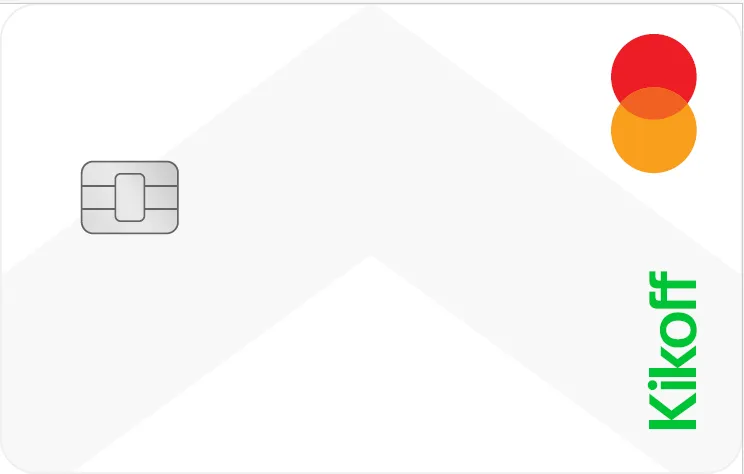
Kikoff Secured Credit Card
Kikoff Secured Credit Card works like a debit card & checking account and performs like a credit builder. Build credit with your everyday purchases.
APR
0%
Minimum Deposit Amount
$0
Credit Check
No
Cashback
Yes
Benefit
0% interest. No credit check.
Current Build Card
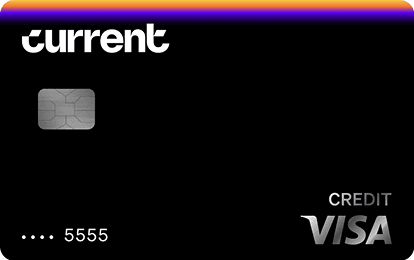
Current Build Card
$0 annual fee. No minimum deposit required. No credit check required. 1 point per dollar on eligible categories. Reports to Experian, TransUnion, Equifax.
Fee
$0
APR
0%
Minimum Deposit Amount
$0
Credit Check
No
Cashback
1 point/dollar on eligible categories (with qualifying payroll deposit)
Benefit
No credit check, no deposit minimum

The Two Types of First-Time Cards: Secured and Unsecured
Secured cards require a cash deposit (usually $200–$2,500), which becomes your credit limit. Sounds risky, but it's actually a safe way to start. The deposit sits in a savings account while you use the card. As long as you pay your bills on time, you're building credit with money that's already yours. After 6–18 months of on-time payments, many issuers upgrade you to an unsecured card and return your deposit.
Popular secured cards for first-timers include the Self Visa® Credit Card, which has high approval rates and reports to all three bureaus. Read our Self review for a full breakdown. The OpenSky® Secured Visa is another strong option that doesn't require a credit check—see our OpenSky review for details.
Unsecured cards don't require a deposit. Some card companies will issue them to people with no credit history, but your credit limit will be low (usually $300–$500). The most popular unsecured starters use cash-flow underwriting instead of a credit score — our side-by-side breakdown of the Petal 1 vs Petal 2 credit card walks through which of the two approves a no-history applicant and how the rewards differ. Either option works—it depends on whether you have cash available to put down.
What to Look for in Your First Card
Forget about rewards for now. Your priorities should be: Does it report to all three credit bureaus? (This is how you build credit.) What are the fees? (Look for no annual fee, or at least no high annual fee.) Is the APR reasonable? (You won't be paying interest if you pay your balance in full each month anyway, but it's good to know.)
Student cards are another option if you're in school. They sometimes have lower barriers to approval even without credit history. Also check whether the card offers credit counseling or educational resources—some do, and it's helpful when you're learning.
For a wider lineup of starter cards that approve no-credit applicants — with what each application asks for and how each one graduates to an unsecured card — see our guide to Credit Cards You Can Apply for With No Credit (2026 Guide).
How to Use Your First Card to Build Credit Fast
The cardinal rule: charge small amounts and pay the full balance every single month. Don't just pay the minimum payment—paying only the minimum costs you interest and keeps your balance high. Paying the full balance shows you can manage credit responsibly. A common strategy is to put one small recurring bill on your card (like a streaming service) and set up autopay to cover it. For a deeper walkthrough of the daily and monthly habits that turn these basics into actual score growth, smart credit card usage habits make the difference.
Keep your credit utilization low. If your limit is $500, try not to carry a balance higher than $50–$100. Lenders like to see that you're not using all your available credit. This alone can have a big impact on your credit score.
Don't Rush to Multiple Cards
Resist the urge to apply for multiple cards right away. Each application causes a small, temporary hit to your score. After a few months of on-time payments on your first card, your score will improve, and you can think about adding another card if you want. For now, focus on one card and prove that you can handle it responsibly.
Think of your first credit card as a tool, not free money. Use it wisely, and it becomes one of your best assets for building credit. Understanding your credit card grace period can also help you avoid interest charges entirely.
Your first credit card is a powerful way to start building credit history. No-credit-check options like the Kikoff Credit Account and the Current Build Card make it easy to get started without risking a hard inquiry on your report. Read our Kikoff review and Current Build Card review for comparisons. Choose a card designed for beginners, use it responsibly, and watch your credit score grow. The habits you build now will serve you for decades.

Creditship

Creditship
Get free credit monitoring and concrete advice how to improve your credit from Creditship AI.
Standout feature
AI Credit Coach. AI analyzes your credit report in depth and gives you tailored, actionable steps to raise your score.
Fees
Free
Pros
Free credit report access plus monitoring and alerts
Cons
No credit repair feature
Frequently Asked Questions
Can I get a credit card with absolutely no credit history? Yes. Many issuers offer secured cards and starter unsecured cards specifically for people with no credit history. You won't get premium rewards cards, but you can get a card that reports to the bureaus and helps you build credit.
What's the difference between a secured and unsecured first card? A secured card requires a cash deposit (usually $200–$500) that becomes your credit limit. An unsecured card doesn't require a deposit but may have lower limits. Both work for building credit—choose based on whether you have deposit funds available.
How do I build credit fast with my first card? Use your card for one small recurring bill each month, pay the full balance by the due date, and keep your balance below 10–30% of your limit. Most people see meaningful score improvement within 3–6 months.
How many credit cards should I start with? Start with one card. Once you've demonstrated responsible use for 6–12 months and your score has improved, you can consider adding a second card. Applying for multiple cards at once can hurt your score.
Will a first credit card affect my credit score? Yes — positively, if used responsibly. Using your card and paying on time each month builds payment history (35% of your score). The key is paying in full and keeping your utilization low.