
A friend once asked why their credit score stayed flat for two years despite never missing a payment. The answer was hiding in plain sight. They were paying on time, but their credit card usage habits, when they paid, how often they used the card, what they put on it, were quietly working against them.
Good credit card usage is more than avoiding late payments. It is a mix of timing, frequency, and purchase choices that signal responsibility to the credit bureaus. Below are the habits that consistently produce strong scores.
Use Your Card Regularly
A card that sits in a drawer does not build credit. Most issuers report activity to the bureaus once a month, but only if there is something to report.
A card with no activity for several months may eventually be closed by the issuer. That closure removes the credit limit from your file, which can raise your overall utilization and shorten your average account age. For context on how that ratio works, see our overview of credit utilization.
A simple fix is to put one recurring charge on the card, like a streaming subscription or a small utility bill. Pay it off automatically each month and the card stays active without effort.
Keep Each Purchase Below 30% of Your Limit
Large single purchases can spike your utilization for one billing cycle. A $700 charge on a card with a $1,000 limit puts you at 70% utilization, even if you plan to pay it off. To understand why that snapshot matters so much, our guide to credit card utilization digs into the scoring impact.
The reported snapshot is what matters. If your statement closes before you make the payment, the bureaus see the high balance.
The workaround is either to split the purchase across cards or to make a payment before the statement closes. Both approaches keep the reported number in a healthy range.
Pay Twice a Month
One of the most effective tricks is making two payments per billing cycle. This is sometimes called the AZEO method when combined with keeping all but one card at $0.
A mid-cycle payment knocks down your balance before the statement date. A second payment by the due date covers anything left over. The combined effect is a consistently low reported balance and zero interest charges. If carrying any balance feels safer, our piece on the minimum payment on a credit card explains why the minimum is rarely the smartest move.
This habit works especially well for people who use their card heavily for everyday spending and still want optimal utilization numbers.
Match Your Card to the Purchase Type
Credit cards have different strengths. Some give cash back on groceries, others on travel or dining. Aligning each purchase with the card that earns the most can stretch your rewards.
But for credit-building purposes, the simpler rule is to use one or two cards for predictable categories. This keeps spending traceable and makes it easier to spot a card that is creeping toward high utilization.
How a Starter Card Fits Into Smart Usage Habits
If you are building credit from scratch, the patterns above still apply, just at a smaller scale. The Self Visa® Credit Card is a secured card option that reports to all three major bureaus. It allows new credit users to practice on-time payments, low utilization, and consistent activity from the start.
For someone with a $300 starting limit, the same habits apply. Keep monthly spending under $100, pay before the statement closes, and use the card every month. Terms apply, and APRs vary by creditworthiness.

If you do not have a Social Security number or simply want usage habits tied to your everyday banking, the Current Build Card is another option that turns regular spending into reported credit activity. It lets you practice the same low-utilization, pay-in-full routine without a traditional credit check, which makes the habits in this guide easier to start from day one.
Current Build Card
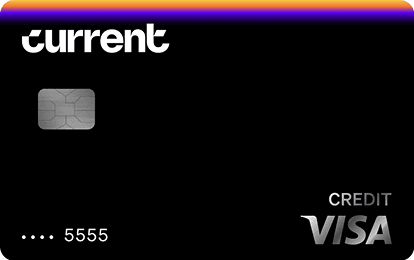
Current Build Card
$0 annual fee. No minimum deposit required. No credit check required. 1 point per dollar on eligible categories. Reports to Experian, TransUnion, Equifax.
Fee
$0
APR
0%
Minimum Deposit Amount
$0
Credit Check
No
Cashback
1 point/dollar on eligible categories (with qualifying payroll deposit)
Benefit
No credit check, no deposit minimum
Avoid Cash Advances
Cash advances are one of the worst forms of credit card usage. They start accruing interest immediately, with no grace period, and the APR is usually 5 to 10 percentage points higher than the purchase APR.
Most cash advances also carry a flat fee of 3% to 5% of the amount withdrawn. A $500 cash advance can cost $25 in fees plus interest from day one.
If you need cash, almost any other source is cheaper, including a personal loan or even a small overdraft on checking. Cash advances should be reserved for genuine emergencies.
Do Not Treat the Card Like Borrowed Money
The most common credit card mistake is treating the limit as available money. A $5,000 limit is not $5,000 in your pocket. It is a borrowing window with double-digit interest waiting on anything you do not pay off.
A healthier mindset is to treat the card like a delayed-payment debit card. You spend only what is in your checking account, and you pay the card off in full each cycle. This habit keeps utilization low and prevents interest from compounding. If you only pay the minimum payment instead, interest can stretch a small balance into years of debt.
Watch the Statement Closing Date
The statement closing date matters more than the due date for credit-building purposes. Your card issuer reports your balance to the credit bureaus on or near the closing date, not the due date. Newer to this idea? Start with our primer on what credit utilization is.
This means you can pay your card in full every month and still show high utilization if you wait until the due date. The fix is to track both dates in your card app and pay before the statement closes.
Most issuers let you change your statement closing date by a few days. If your closing date falls awkwardly close to payday, calling customer service to shift it can make payment timing easier.
Avoid Opening Too Many Cards at Once
Each new card application triggers a hard inquiry, which typically drops your score by 5 to 10 points temporarily. Open too many cards in a short period and the inquiries stack up.
A reasonable cadence is one new card every six to twelve months. This adds to your total available credit over time, lowers your overall utilization, and avoids the score impact of clustered applications.
Monitor Your Credit Report
Finally, smart usage includes regular monitoring. Errors, fraudulent accounts, and forgotten balances can all hurt your score without your knowledge.
Most free credit monitoring services update your score weekly or monthly. AnnualCreditReport.com lets you pull a full report from each of the three bureaus for free at least once per year.
Finding and disputing an error can move your score significantly, sometimes by 40 points or more.
If you want monitoring built into a single dashboard alongside guidance, Creditship offers free credit monitoring with personalized AI insights that flag changes as they happen. Seeing how each usage habit moves your score makes it much easier to stick with the timing and utilization routines above. It also surfaces errors early, before they quietly drag your score down.
Creditship

Creditship
Get free credit monitoring and concrete advice how to improve your credit from Creditship AI.
Standout feature
AI Credit Coach. AI analyzes your credit report in depth and gives you tailored, actionable steps to raise your score.
Fees
Free
Pros
Free credit report access plus monitoring and alerts
Cons
No credit repair feature
Frequently Asked Questions
How often should I use my credit card?
At least once a month is usually enough to keep the card active and reporting to the bureaus. If you use the card heavily, that is fine too as long as your reported balance stays under 30% of your limit. The key is consistency, not high spending.
Is it bad to use my credit card every day?
Using your credit card daily is fine if you can keep utilization low and pay the balance before each statement closes. Many people use their card for nearly every purchase and still maintain excellent credit scores. The risk is in carrying a balance, not in the frequency of use.
Should I pay my credit card before or after the statement closes?
For the best credit score impact, pay before the statement closes. This way the bureaus see a lower reported balance, which improves your utilization. You can also make a second payment by the due date if any new charges show up before the cycle ends.
Can I use my credit card for rent or large bills?
Using your credit card for rent or large bills is possible, but it can spike your utilization for that cycle. If you do this, plan to make a payment before the statement closes so the high balance does not get reported. Also check for processing fees, which can be 2% to 3% on large transactions.




