College students with no credit history start at a disadvantage compared to peers who were added as authorized users by their parents, but the playing field has leveled significantly with student-specific cards and credit-builder products designed for first-time applicants. The right first card builds a tradeline that pays off for a decade — the wrong one can create a debt habit that takes years to unwind. (For the first-time-credit-card-with-no-credit-history crowd, our broader roundup covers approval-friendly options across age groups.)
What Makes a Card "Student-Friendly"
Three features matter most for a no-credit-history student. First, low or no annual fee — students don't have the income to justify $95+ premium cards. Second, a low credit-line that prevents overspending — typical first credit lines are $300 to $1,500. Third, no hard credit-check requirement, or at least an explicit "designed for students" approval algorithm that doesn't penalize a thin file.
Cards designed exactly for this fit include the Discover It Student Cash Back, the Capital One Quicksilver Student Cash Rewards, the Bank of America Travel Rewards for Students, and the Chase Freedom Rise. All four are widely approved for students with no credit, modest income (most accept $5,000+ annual income from any source — including parental allowance, work-study, or part-time work), and no co-signer.
The Credit-Builder Card Alternative
If a student card is denied or you want a simpler structure, a credit-builder card like the Self Visa Credit Card skips the credit-check process entirely. You apply, deposit a small amount as collateral (or none for some products), and start building history immediately. Apply for a Self Visa Credit Card for a no-credit-check starter card that reports to all three bureaus.

The Current Build Card is another strong fit for a student who is starting from zero. It is built to help new users establish credit through everyday spending without a traditional credit check, so a freshman with a thin file can begin reporting on-time activity right away instead of waiting to qualify for a rewards card.
Current Build Card
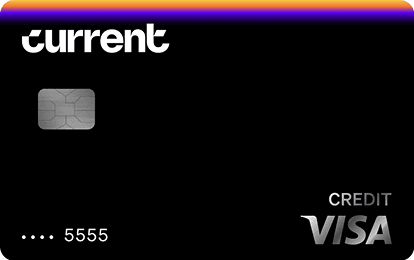
Current Build Card
$0 annual fee. No minimum deposit required. No credit check required. 1 point per dollar on eligible categories. Reports to Experian, TransUnion, Equifax.
Fee
$0
APR
0%
Minimum Deposit Amount
$0
Credit Check
No
Cashback
1 point/dollar on eligible categories (with qualifying payroll deposit)
Benefit
No credit check, no deposit minimum
For students who prefer to build credit while keeping their spending tied to their own cash, the Chime Card is a secured credit builder with no annual fee and no minimum security deposit to open. Because there is no credit check, it is easy for a college student with no history to get approved and start building a payment record from scratch.
Chime Card™
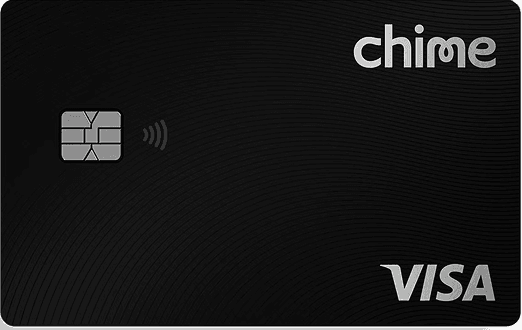
Chime Card™
Chime Card™ is Chime's secured credit card and has the reliable Chime credit-building features plus 5% cash back rewards on category of choice (with qualifying direct deposit) and access to cash at ATMs.¹
Fee
$0
APR
No interest
Minimum Deposit Amount
$0
Credit Check
No
Cashback
5% cash back rewards on category of choice (with qualifying direct deposit)
Benefit
Overdraft up to $200 without fees for eligible members.
The benefit of student cards over credit-builder cards: student cards usually offer 1% to 5% cash back, no security deposit, and graduation paths to non-student cards after 12 to 24 months. Credit-builder cards usually offer no rewards but unconditional approval — useful if a student card has been denied.
How to Pick Between Specific Cards
If you spend mostly on groceries and gas, the Discover It Student Cash Back's 5% rotating quarterly category structure (capped at $1,500 in spending per quarter) is the highest-yield option. Discover also matches all cash back earned in your first year — effectively doubling rewards for the first 12 months.
If you want simplicity and a flat rate, the Capital One Quicksilver Student pays 1.5% on all purchases with no rotating categories. The lower headline rate beats the math on Discover for students who don't track quarterly categories.
If you want travel rewards for study abroad or family visits, the Bank of America Travel Rewards for Students pays 1.5x points on all spending, no annual fee, and no foreign transaction fee. Younger applicants under 21 should also check the best credit cards for 18-year-old college students and the no-credit fallback list of the easiest credit card to get with no credit.
What to Do During the First 6 Months
Charge a small recurring expense — Spotify ($11), a gym membership, a phone bill — and pay it off in full every month. Set autopay for the statement balance, not the minimum payment. After 6 months you'll have a FICO score for the first time. After 12 months you can typically request a credit-line increase (sometimes through an automatic review, sometimes by asking).
What to Avoid
Don't apply for multiple cards in your first month. Each application is a hard inquiry, and 3-4 inquiries in a single application cycle can trip automatic denial filters at every major issuer. Pick one card, get approved, build for 6 months, then expand.
Don't carry a balance. Student-card APRs are 18% to 28% — far higher than the value of any rewards. The only sustainable strategy is paying in full every month.
Don't close the first card after graduation. That first tradeline's age becomes your length-of-history anchor for the next decade. Pay the (usually $0) annual fee and keep it open with a small recurring autopay charge forever.
Key Takeaways
- Discover It Student, Capital One Quicksilver Student, and Bank of America Travel Rewards Student are the strongest first-card options.
- Most accept any income — including allowance, work-study, or part-time pay.
- Don't apply for multiple cards at once; pick one and build for 6 months first.
- Keep the first card open after graduation — its age becomes the foundation of your credit history.
Frequently Asked Questions
Can I get a credit card as a college student with no credit?
Yes. Student-specific cards from Discover, Capital One, Bank of America, and Chase are designed exactly for this — they accept first-time applicants with no credit history.
Do I need parental income to qualify?
Most student cards accept any income, including work-study, part-time work, allowance from parents, and scholarship stipends. Reporting accurate gross income is required.
What's the typical credit limit for a first student card?
$300 to $1,500. The lower end is common for no-income or thin-file applicants. Limits typically increase after 6 to 12 months of on-time payments.
Should I open multiple student cards at once?
No. Each application is a hard inquiry, and multiple inquiries in a short window can trigger automatic denials. Pick one card and build for 6 months before considering a second.