
The average college freshman in 2026 graduates with a FICO score of 661, which is barely above the line lenders consider "fair." That number has real consequences, from apartment applications to car insurance rates. The good news is that picking the right first credit card in college can move your score into the 700s before graduation. Parents of younger siblings who want to front-run this process can also see our guide to credit cards for minors under 18, which covers authorized-user setups that start the credit clock before college even begins. If you already carry student loans, our 2026 guide on how to increase your credit score with student loans walks through pairing on-time loan payments with a starter card to maximize the credit-mix bonus. If you're shopping specifically in August or September for the new academic year, our seasonal roundup of back-to-school credit cards for college students (2026 picks) covers the same approval-friendly cards with extra context on application timing for freshmen. For a tighter shortlist focused specifically on incoming students who have no credit file at all, see our companion guide on the best credit card for a college student with no credit history.
The best credit card for a college student to build credit is not always the one with the flashiest rewards. It is the one with a low fee, clear reporting to all three credit bureaus, and a credit limit you can actually manage on a student budget.
What Makes a Credit Card Good for Building Credit in College
A card only helps your score if it reports to Equifax, Experian, and TransUnion. Many store cards and some fintech products only report to one bureau, which limits the benefit. You want all three.
Next, look at the annual fee. A $39 fee is fine if the card approves you with no credit history. A $95 fee is usually not worth it for a starter card. On a small limit, that fee also spikes your utilization if you do not pay it off right away.
Finally, watch the APR. You should plan to pay your balance in full every month, but life happens. A lower APR protects you the one month you slip up and carry a balance.
Our Top Picks for College Students
These four picks cover the main paths: a pure credit builder, a classic secured card, a no-SSN option for international students, and a low-fee unsecured starter.
Self Visa® Credit Card — no annual fee on the card itself once you unlock it through a Self Credit Builder Account. Standout benefit: you build credit and savings at the same time, with payments reported to all three bureaus. Best for: students who want to graduate with both a credit score and a small savings cushion.
OpenSky — around $35 annual fee, no credit check required. Standout benefit: you can get approved with zero credit history and no SSN in some cases, and your deposit sets your limit. Best for: students who have been denied elsewhere and want near-certain approval.
Kikoff Secured Credit Card — low monthly cost and no hard pull to apply. Standout benefit: a small, controlled credit line designed to keep utilization low automatically. Best for: students who want simple, predictable credit building without a big deposit.
Current Build Card — no credit check, no SSN required for some students, no annual fee. Standout benefit: it uses money you set aside from your own account, so you cannot go into debt. Best for: international students and 18-year-olds who want a no-SSN path to building U.S. credit.
If you'd rather skip the security deposit and let cash-flow underwriting do the work, the Petal lineup is the other popular student path — our side-by-side comparison of the Petal 1 vs Petal 2 credit card covers which of the two approves a thinner file and how the cash-back rewards differ between the two.


Kikoff Credit Account

Kikoff Credit Account
Everything you need to build your credit, right in one app. Build credit, lower debt, and unlock progress with tools that actually work.
Standout feature
An avg increase of +86 points within a year with on-time payments
Fees
$5/month for Basic plan, $20/mo for Premium plan $35/mo for Ultimate plan
Pros
Helps both payment history and credit utilization, the two factors that move scores most
Cons
Monthly fee continues for as long as you keep the account open
Current Build Card
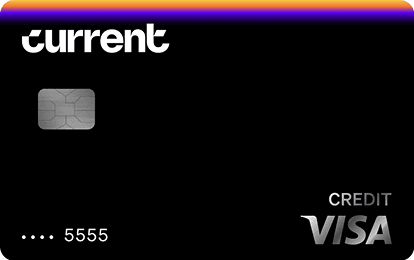
Current Build Card
$0 annual fee. No minimum deposit required. No credit check required. 1 point per dollar on eligible categories. Reports to Experian, TransUnion, Equifax.
Fee
$0
APR
0%
Minimum Deposit Amount
$0
Credit Check
No
Cashback
1 point/dollar on eligible categories (with qualifying payroll deposit)
Benefit
No credit check, no deposit minimum
Student Cards vs. Secured Cards
Student cards are unsecured, meaning no deposit. They usually require proof of enrollment and some income, even if that income is from a part-time campus job. Rewards are modest, often 1 to 1.5 percent cash back.
Secured cards require a refundable deposit, often $200 to $500. Your deposit becomes your credit limit. After 6 to 12 months of on-time payments, many issuers refund the deposit and upgrade you to an unsecured card.
If you have any credit history and steady income, a student card can make sense. If you have no file at all or have been denied before, a secured card like OpenSky is a more reliable approval path.
How to Use Your First Card Without Hurting Your Score
Utilization is the percentage of your limit you use each month. On a $500 limit, a $150 balance is 30 percent utilization, which is the ceiling most credit coaches recommend. Under 10 percent is even better.
Set the card to autopay the statement balance in full every month. This single habit prevents interest charges and late payments, which are the two biggest score killers for young borrowers. Late payments can drop a score 80 to 100 points.
Do not close your first card, even after you get a better one. Length of credit history is roughly 15 percent of your FICO score, and your first card is usually your oldest account.
Common Mistakes Students Make
Applying for three or four cards in a semester is a classic trap. Each application is a hard inquiry, and a cluster of them signals risk to lenders. One or two applications per year is plenty.
Maxing out the card on textbooks in August is another one. Even if you pay it off on time, the high balance may report to the bureaus before payment posts. The fix is paying mid-cycle or making two payments a month.
Carrying a balance on purpose does not help your score. That is a myth. You build credit just fine by paying in full, and you skip the interest.
Building Credit Without a Card
Not every student wants a credit card, and that is fine. A credit builder loan from Self.Inc Credit Builder Account reports payments to all three bureaus and gives you a small savings payout at the end. If you already have student loans on your file, our guide on how to increase your credit score with student loans shows how to turn on-time loan payments into a 25-to-70 point FICO lift over a year.
Rent reporting is another option. Services that report your on-time rent payments can add positive history to your file, which matters when thin-file students apply for their first card or auto loan after graduation.
When to Graduate to a Better Card
After 12 months of on-time payments, most students qualify for a real rewards card. Look for no annual fee, at least 1.5 percent flat cash back, and no foreign transaction fees if you plan to study abroad. Once you are holding a diploma, check out our guide to the best credit card for college graduates for picks that match a new-grad income and a slightly thicker credit file. Once a first salary lands, our roundup of the best credit cards for young professionals in 2026 shows which builder and rewards options match early-career spending and how to time the upgrade.
Do not rush the upgrade. Scoring models like FICO reward accounts that age. A card you have held for two years is worth more to your score than a new card with slightly better rewards.
Firstcard can help you sort through starter options and monitor your score as you build. The right first card, used consistently, turns a thin file into a solid 700-plus score by graduation.
Frequently Asked Questions
Can an 18-year-old college student get a credit card on their own?
Yes. The Credit CARD Act lets 18 to 20 year olds qualify for a credit card if they can show independent income or a co-signer. Many student and secured cards accept part-time jobs, work-study, and even scholarship stipends as income. If approval is tight, a secured card is a more reliable path.
How long does it take to build credit in college?
Most students see a usable FICO score within six months of opening their first account. A solid score in the 700s typically takes 12 to 24 months of on-time payments and low utilization. Starting as a freshman means you can graduate with a score that unlocks better apartments, car loans, and even some jobs.
Should a college student get a secured card or a student card?
If you have no credit history at all, a secured card like OpenSky or the Self Visa® Credit Card is easier to get approved for. If you have some history or strong income, a student card can work and does not tie up a deposit. Both build credit the same way as long as they report to all three bureaus.
Does being an authorized user on a parent's card count as building credit?
It can, as long as the card issuer reports authorized users to the bureaus, which most major ones do. The account history shows up on your credit report, and a long, well-paid card can boost your file quickly. Just make sure the primary cardholder has a clean payment record, because their mistakes will show up on your report too.



