Your 18th birthday is the first day the CARD Act lets you apply for a credit card in your own name. If you get that first card right, you can walk across the stage at graduation with a FICO score over 720. Get it wrong, and a bad 18-year-old swipe can haunt your credit report until you are 25. If you are curious how the rules work before that birthday too, our primer on what's the youngest age you can get a credit card covers authorized user access as young as 13. And if you are already past 18, our companion roundup of credit cards for 19-year-olds with limited credit covers age-specific picks for a slightly thicker file.
The best credit card for an 18-year-old college student is almost always a no-annual-fee starter card or a low-deposit secured card that reports to all three credit bureaus. Rewards are a bonus, not the point. The point is starting your credit file with clean, on-time payments on an account that will still be open five years from now. For a broader look at approval strategies when you have zero history, see our guide to the easiest credit card to get with no credit.
Why Your First Card Matters So Much
Your first credit card becomes your oldest account. Length of credit history is 15 percent of your FICO score, and the age of your oldest account is a huge part of that calculation.
Opening your first card at 18 and keeping it open means you will have a 7-year account history by age 25. That alone pushes you from a thin-file profile into prime borrower territory when you apply for your first car loan or apartment.
The mistake most 18-year-olds make is closing that first card after they get a fancier one. Do not do that. Keep the first card open, even if you only charge a streaming subscription on it once a month.
Income Rules for 18-Year-Olds
The CARD Act requires issuers to verify that 18 to 20 year olds have independent income or a qualifying co-signer. "Independent" can include part-time jobs, work-study, gig income, and sometimes scholarship or stipend money.
You do not need a full-time salary. Most student and starter cards accept $300 to $500 a month in income. Be honest on the application, because issuers can ask for documentation.
If your income is low or inconsistent, a secured card is often the easier approval path. Approval there is based on your deposit, not your income.
Our Top Picks for 18-Year-Olds
These four cards cover the most common situations: no credit history, limited income, international student, and looking for a low-cost credit builder.
Self Visa® Credit Card — no annual fee on the card itself, with approval tied to a Self Credit Builder Account. Standout benefit: you build credit and savings at the same time, and approval odds are very high. Best for: 18-year-olds who want a no-hassle first card plus a forced savings habit.
OpenSky — roughly $35 annual fee and no credit check required. Standout benefit: near-universal approval with a refundable deposit as low as $200. Best for: students who have been denied by student cards or do not have enough income history to qualify.
Kikoff Secured Credit Card — low monthly cost with no hard pull to apply. Standout benefit: a small, manageable credit line that keeps utilization naturally low. Best for: 18-year-olds who want predictable fees and a simple, easy-to-manage first card.
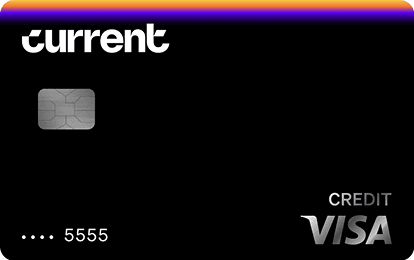
Current Build Card — no annual fee, no credit check, no SSN required for many students. Standout benefit: uses money you set aside in a Current account, so you literally cannot overspend. Best for: international students, 18-year-olds with no SSN yet, and anyone worried about racking up debt their first year.


Kikoff Credit Account

Kikoff Credit Account
Everything you need to build your credit, right in one app. Build credit, lower debt, and unlock progress with tools that actually work.
Standout feature
An avg increase of +86 points within a year with on-time payments
Fees
$5/month for Basic plan, $20/mo for Premium plan $35/mo for Ultimate plan
Pros
Helps both payment history and credit utilization, the two factors that move scores most
Cons
Monthly fee continues for as long as you keep the account open
Current Build Card
Current Build Card
$0 annual fee. No minimum deposit required. No credit check required. 1 point per dollar on eligible categories. Reports to Experian, TransUnion, Equifax.
Fee
$0
APR
0%
Minimum Deposit Amount
$0
Credit Check
No
Cashback
1 point/dollar on eligible categories (with qualifying payroll deposit)
Benefit
No credit check, no deposit minimum
Secured Cards vs. Student Cards at 18
Student cards are unsecured, meaning no deposit. They are marketed to college students and sometimes include small cash-back rewards. Approval usually requires proof of enrollment plus some income.
Secured cards require a refundable deposit that doubles as your credit limit. Approval is much easier because the deposit is the issuer's safety net. After 6 to 12 months of on-time payments, many secured cards convert to unsecured. If you decide secured is the right path, our roundup of secured credit cards for college students compares the lowest-deposit picks and which ones graduate fastest.
At 18, the choice comes down to your situation. Strong income plus full-time enrollment means a student card is realistic. No income, gap year, or a previous denial means a secured card is the smarter path.
How to Use Your First Card the Right Way
Charge one small recurring item, like a $15 streaming subscription, and set the card to autopay the full statement balance every month. That single habit covers the two most important scoring factors: payment history at 35 percent and utilization at 30 percent.
Keep utilization low. On a $300 limit, stay under $90. On a $500 limit, stay under $150. If you need to spend more one month, make a mid-cycle payment before the statement closes so the reported balance stays low.
Do not co-sign cards for roommates. Do not let friends use your card for shared pizza. One unpaid balance can tank your score and your relationship at the same time.
Common 18-Year-Old Mistakes to Avoid
Applying for three or four cards at orientation is a classic trap. Every application is a hard inquiry, and a cluster of them signals risk. Space applications at least 6 months apart while you are building.
Maxing out the card on textbooks is another. Even if you pay it off on time, the high balance may report to the bureaus before payment posts. Pay mid-cycle to avoid a utilization spike.
Closing the card during summer break, thinking you "do not need it," also backfires. Closed accounts eventually drop off your report, taking their history with them. Keep it open and active.
What to Do If You Do Not Qualify Yet
If student and secured cards still do not approve you, start with an authorized-user arrangement on a parent or guardian's card. Most major issuers report authorized user activity to the bureaus, which gives you a head start on payment history and account age.
A credit-builder loan like the Self.Inc Credit Builder Account or Cheers is another option. These products report installment payments to all three bureaus and are easy to qualify for.
After 3 to 6 months of positive reporting, you will likely qualify for a secured card in your own name. From there, on-time payments do the rest.
Looking Ahead: Upgrading After Graduation
After 12 to 18 months of clean activity, most students qualify for a real rewards card with no annual fee. Think 1.5 to 2 percent flat cash back.
Keep your original card open when you upgrade. Ask your issuer about a product change instead of closing the account, which preserves the credit history on your oldest line.
Firstcard can help you pick a starter card that fits your situation today and graduate to better options as your score climbs. The right first card at 18, used consistently, can unlock a 720-plus score before your college diploma is printed.
Frequently Asked Questions
Can an 18-year-old get a credit card without a co-signer?
Yes. The CARD Act allows 18 to 20 year olds to qualify on their own as long as they can document independent income. Part-time jobs, work-study, and some scholarship stipends count. A secured card or a Self Credit Builder Account is often the easiest path when income is limited.
What is the easiest credit card for an 18-year-old to get?
Secured cards with no credit check, such as OpenSky or Current Build Card, are the easiest to get approved for at 18. Approval is based on your ability to fund a refundable deposit, not on credit history or high income. Both report to all three bureaus, which is what actually builds your score.
How much credit will an 18-year-old build in their first year?
Most 18-year-olds who open their first card responsibly see a FICO score in the 680 to 720 range after 12 months of on-time payments. Low utilization, meaning balances under 30 percent of the limit, is what separates a 680 from a 720. The gains slow down after the first year, so early habits matter.
Should a college student get a secured or unsecured credit card?
If you have no credit history and limited income, a secured card is the more reliable approval path and still builds credit identically. If you have some income and are enrolled full-time, a student card without a deposit can work. Either way, pick one that reports to all three bureaus and has no annual fee or a very low one.

Firstcard was founded in 2020 by Kenji Niwa, an immigrant founder who was turned down for his first U.S. credit card because he had no credit score. So he set out to build the card he couldn't get. Firstcard launched its own card, the Firstcard Secured Credit Builder Card. The program received more than 250,000 applications and served tens of thousands of cardholders. In February 2026, Firstcard became a marketplace for financial products, with the same mission: to help people build credit and reach financial freedom. Today we compare credit cards, cash advance apps and credit builders, so you can choose the right one with confidence. This editorial team is led by Chief Editor Kenji Niwa. We check fees, APRs and terms against each provider's own documents and note the date we checked. We also interview real users and the companies that offer credit cards and loans. Our ratings use the same standards whether or not Firstcard earns money from a product. Full profile and latest articles →