Why Credit Matters Before Graduation
A credit score follows a graduate into every major financial moment: the first apartment, a car loan, sometimes even a job offer. Starting early gives a student a head start that is hard to match later.
A secured credit card for college students is one of the safest and simplest ways to begin. The refundable deposit keeps risk low and bureau reporting builds history fast — the same core secured card benefits that make these cards a reliable first step for anyone with a thin file.
This guide walks through the top secured card picks in 2026, plus the rules every student should know before applying.
Our Top Picks
These four cards stand out in 2026 for students starting from scratch. Each one reports to all three major credit bureaus and keeps fees reasonable.
Self Visa® Credit Card
Best for: students who want to build savings at the same time. The Self Visa® Credit Card pairs with a Credit Builder Account, so savings grow while credit builds.

The deposit is funded over time by payments to the builder account, with a minimum near $100. The annual fee is $25, as of April 2026, and the card reports to all three bureaus.
Kikoff Secured Credit Card
Best for: students who want no interest and tiny fees. The Kikoff Secured Credit Card has a low monthly fee and does not charge interest on balances paid each cycle.
The deposit starts around $50, making it one of the smallest entry points available. Kikoff reports payment history to Equifax, Experian, and TransUnion.
For a student watching every dollar, the low deposit and no-interest structure make this one of the gentlest ways to start. You can open the Kikoff Secured card and begin reporting to all three bureaus with one of the smallest upfront commitments on this list.
Kikoff Secured Credit Card
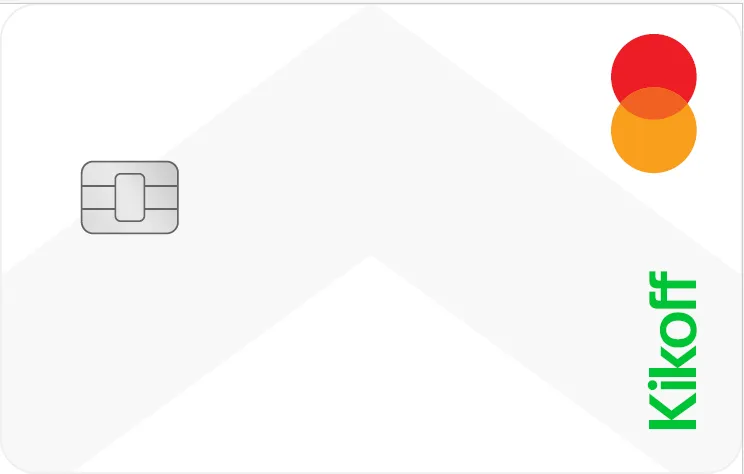
Kikoff Secured Credit Card
Kikoff Secured Credit Card works like a debit card & checking account and performs like a credit builder. Build credit with your everyday purchases.
APR
0%
Minimum Deposit Amount
$0
Credit Check
No
Cashback
Yes
Benefit
0% interest. No credit check.
Current Build Card
Best for: students who already use a mobile banking app. The Current Build Card links to a Current spending account and has no annual fee.
There is no credit check for approval. The card reports to the credit bureaus and sets its credit limit based on funds set aside inside Current.
If you already manage money from your phone, this option folds credit building into an app you would use anyway. The Current Build Card skips the credit check and charges no annual fee, which makes it an easy first card for a student who wants everything in one mobile dashboard.
Current Build Card
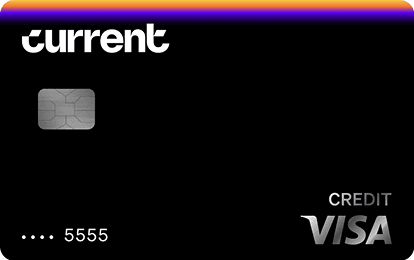
Current Build Card
$0 annual fee. No minimum deposit required. No credit check required. 1 point per dollar on eligible categories. Reports to Experian, TransUnion, Equifax.
Fee
$0
APR
0%
Minimum Deposit Amount
$0
Credit Check
No
Cashback
1 point/dollar on eligible categories (with qualifying payroll deposit)
Benefit
No credit check, no deposit minimum
OpenSky Secured Visa
Best for: students with thin files who want no credit check. OpenSky does not pull a traditional credit report, so approval works even with no credit history.
The annual fee is $35, and the minimum deposit is $200, as of April 2026. It reports to all three bureaus each month.
APRs vary by creditworthiness, and terms and conditions apply to every card above.
How a Secured Credit Card Works
A secured credit card for college students requires a refundable deposit, which becomes the credit line. Put down $200 and the card usually starts with a $200 limit.
The deposit sits in a locked account while the card is active. After responsible use, the issuer often refunds the deposit or upgrades the account to an unsecured card.
Payments work just like any credit card. Swipe, pay the bill, and the issuer reports the activity to the credit bureaus each month.
Why This Path Is Lower Risk
The refundable deposit caps spending at an amount the student already has. This prevents the runaway debt that catches many first-time card users off guard.
It is lower risk, not no risk. Missed payments still hurt scores, even with a deposit on file.
Rules Every Student Should Know
The CARD Act limits how easily people under 21 can open a credit card. Applicants under that age must show independent income or add a cosigner.
Students 21 and older can list household income, including money from parents used for shared expenses. Both rules apply to any secured credit card for college students.
Income and Documentation
Part-time jobs, work-study earnings, and scholarship funds used for living costs can count as income. Keep recent pay stubs or a financial aid statement ready.
A parent can also cosign in some cases, though not every issuer allows it. Check with the specific card before applying.
How Much Deposit Makes Sense?
Start small. A $200 deposit is plenty for a first secured card, especially for a student budget.
Some issuers accept deposits as low as $49 or $100. These still build credit but keep the credit line tight, which helps with spending control.
Raising the deposit later is usually allowed. Plan to start small and add funds if a larger limit is needed for rent or textbooks.
How to Use the Card the Right Way
Put one small recurring charge on the card, like a streaming service or a phone bill. Pay the full balance each month by the due date.
Keep utilization below 30 percent of the credit limit. Below 10 percent is ideal for the fastest score gains.
Set up autopay for at least the minimum payment. This prevents a missed due date from ever touching the credit report.
Typical Results in the First Year
A student with no credit history who opens a secured card often sees their first FICO score within six months. Scores in the high 600s are common within a year of clean use.
That is enough to qualify for better unsecured student cards, lower auto loan rates, and many apartment leases.
Alternatives to a Secured Card
Student credit cards from major banks sometimes accept thin files without a deposit. Approval usually needs some part-time income or a cosigner.
Becoming an authorized user on a parent's card is another low-effort path. Confirm the issuer reports to the bureaus for authorized users before counting on a credit boost.
Credit-builder loans also report to the bureaus and do not require spending. They work well alongside a secured card for faster gains.
Related Reading
- Best Credit Cards for 18-Year-Old
- Best Credit Cards for College
- Best Secured Credit Cards for
- Secured Credit Cards for the
Frequently Asked Questions
What is the best secured credit card for college students?
The Self Visa® Credit Card and Kikoff Secured Credit Card are top 2026 picks for most students. Both have low fees, small deposits, and full bureau reporting.
How much money do I need to open a secured card?
Minimum deposits usually range from $49 to $200. Starting on the low end keeps risk small and still builds credit.
Can a college student with no income get a secured card?
Students 21 and older can list household income, which often qualifies them. Under 21, applicants generally need their own income or a cosigner.
Will using a secured card hurt my credit score?
On-time payments and low balances raise credit scores over time. Missed payments can hurt, so autopay is the safest setup.