
As a college student, you're in a unique position. You need to build credit for your future, but you're still learning how credit works. Traditional student cards can be tempting, but secured cards often offer better features and lower barriers to entry. A secured card gives you a real credit building tool without hefty annual fees or hidden charges. Let's explore why secured cards work so well for students and which options are best. For a focused, side-by-side roundup of the lowest-deposit options, see our guide to secured credit cards for college students.
Why Secured Cards Beat Student Cards
Student credit cards are marketed specifically to college students, but they come with downsides. Many have annual fees ($25-$95), low credit limits, and limited benefits. Secured cards, on the other hand, charge no annual fee or only a small one, and they report to all three credit bureaus. The real advantage is control: your credit limit is determined by your deposit, not your income or credit history. This gives you a clear, manageable way to build credit without overspending.
Low Deposit Options for Budget-Conscious Students
Not all students have $1,000 sitting around for a deposit. The good news is that many secured cards accept deposits as low as $200-$300. This is affordable for most students with a part-time job or summer savings. A $300 deposit gives you a $300 credit limit, which is perfect for a student learning to manage credit. You can even start with a smaller deposit and upgrade later as your financial situation improves. Look for cards that allow flexibility in deposit amounts.
Kikoff Secured Credit Card
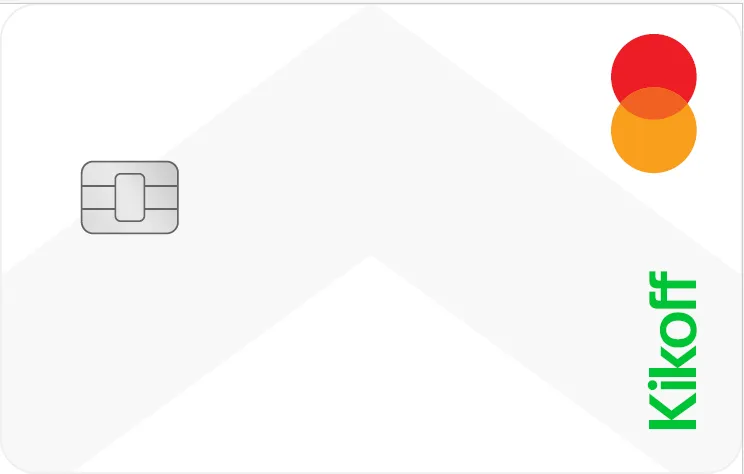
Kikoff Secured Credit Card
Kikoff Secured Credit Card works like a debit card & checking account and performs like a credit builder. Build credit with your everyday purchases.
APR
0%
Minimum Deposit Amount
$0
Credit Check
No
Cashback
Yes
Benefit
0% interest. No credit check.
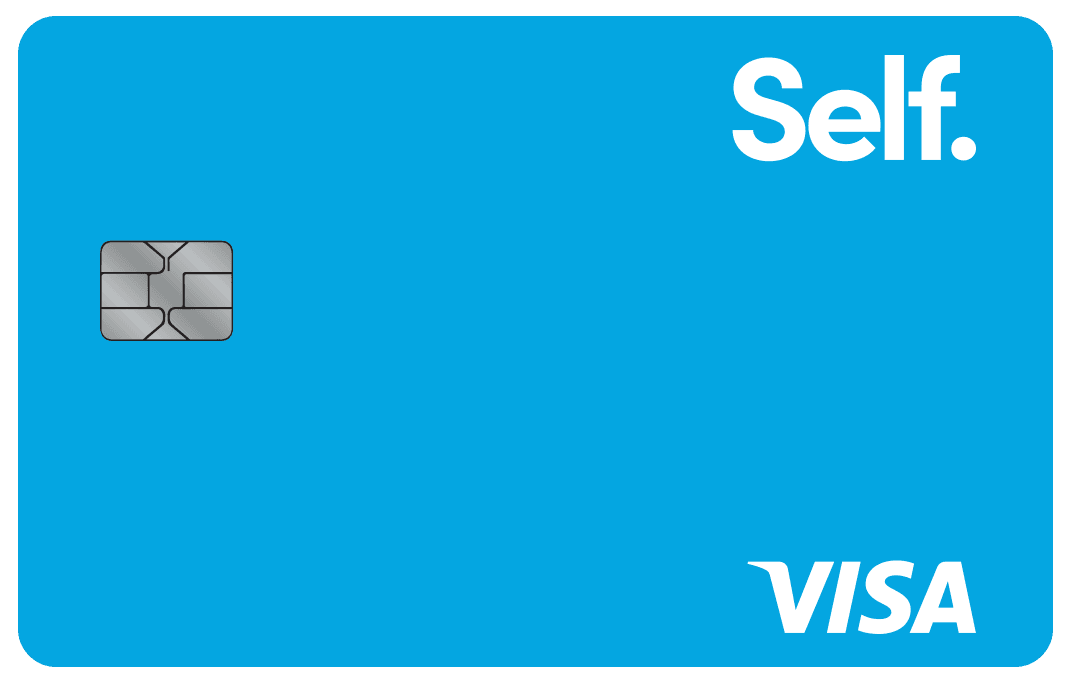
If you want a builder option that also creates installment history, the Self Visa Credit Card is worth a look for students. It pairs a small secured card with a credit-builder loan, so a single product reports both revolving and installment activity to the bureaus. Terms and conditions apply, and approval depends on the issuer's review.
Cards That Report to All Three Bureaus
This is crucial for students. You want every on-time payment you make to count toward your credit score. Some cards only report to one or two bureaus, which limits your credit building potential. Make sure your secured card reports to Equifax, Experian, and TransUnion. This ensures that your responsible payment history builds credit with all lenders, not just some. Check the card's terms or call customer service to confirm this before applying. Learn more about whether secured credit cards actually build credit and how the reporting process works.
Student-Friendly Features to Look For
Since you're in school, look for cards that work with your student lifestyle. Zero annual fees or very low fees are important—you shouldn't pay just to have the card. Digital-first tools are valuable: apps that let you manage your card on your phone, set up autopay, and track your spending. Some cards offer higher interest rates on savings balances or rewards, though most secured cards don't include these perks. The simplest, cleanest card is often the best choice for a student.
For students who want a card-and-app combo built around spending from their own money, the Current Build Card reports your everyday spending as credit activity. Because you spend from a balance you control, it is hard to run up debt, which suits a student who is still learning to budget while building a credit file.
Current Build Card
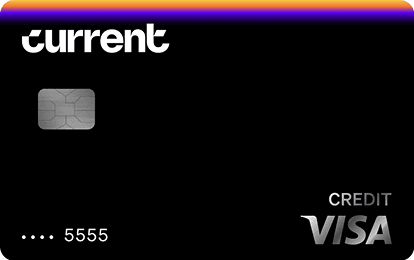
Current Build Card
$0 annual fee. No minimum deposit required. No credit check required. 1 point per dollar on eligible categories. Reports to Experian, TransUnion, Equifax.
Fee
$0
APR
0%
Minimum Deposit Amount
$0
Credit Check
No
Cashback
1 point/dollar on eligible categories (with qualifying payroll deposit)
Benefit
No credit check, no deposit minimum
Using Your Secured Card Responsibly
Once you have your card, the real work is using it wisely. Make small, regular purchases—maybe a coffee or gas each week—and pay the full balance every month. Never miss a payment; even one late payment hurts your credit score. Keep your spending low (use 10-30% of your credit limit) to show lenders you're responsible. After 6-12 months of perfect payments, you may graduate to an unsecured card. Learn more about building credit strategically as a student in our guide to building credit as a college student.
The Graduation Promise
Many secured cards offer a graduation path—a timeline for converting to an unsecured card and getting your deposit back. This is a huge advantage for students. After 6-12 months of on-time payments, you can request a product change to an unsecured card. Your deposit is returned, and you keep the account open with a higher limit. This graduation path means you're building credit with a clear endpoint in sight. Look for cards that explicitly offer this feature and understand their timeline.
Frequently Asked Questions
Can I get a secured credit card as a college student with no income?
Yes, but you'll need to report some form of income on the application. Part-time jobs, work-study, regular allowances, scholarships, and financial aid disbursements can all count. If you're 21 or older, you can also include household income.
Is a secured card better than a student credit card?
For most students, yes. Secured cards typically have lower fees, more predictable terms, and report to all three credit bureaus. Student cards may offer small rewards, but their higher fees and less transparent terms often outweigh those perks.
How long until I can upgrade to an unsecured card?
Most secured cards offer graduation after 6-12 months of on-time payments. Some issuers review your account automatically, while others require you to request an upgrade. When you graduate, your deposit is returned and your credit limit may increase.
Will applying for a secured card hurt my credit score?
Applying triggers a hard inquiry, which may temporarily lower your score by a few points. However, the long-term benefit of building credit history far outweighs this small, temporary dip. The inquiry's impact fades after a few months.
Can I use my secured card for online purchases and subscriptions?
Absolutely. A secured card works just like any other Visa or Mastercard. You can use it for online shopping, streaming subscriptions, and anywhere cards are accepted. Just remember to keep your total spending under 30% of your credit limit.
Secured credit cards are ideal for college students learning to build credit responsibly. With low deposits, no annual fees, and a clear path to graduation, they offer everything you need without the pitfalls of student cards. Use your card wisely, make on-time payments, and you'll graduate to better cards faster than you might think. Start your credit journey today—Firstcard is here to help you build the credit foundation you need for your financial future. Learn more about low-deposit secured credit cards.




