If you're living on a tight budget, a credit card might seem risky. But the right card can actually be a smart tool for building financial stability while managing your cash flow. The question isn't whether you can get approved with low income, it's which card will work best for your situation. Let's explore your options.
Can You Get a Credit Card With Low Income?
Yes, absolutely. Credit card companies don't turn people down based solely on income level. What they care about is your ability to repay, which depends on multiple factors: your payment history, credit score, debt-to-income ratio, and employment status.
Many people with low income successfully get credit cards, especially secured cards that require a cash deposit. The deposit guarantees the card issuer can recover losses if you can't pay, making them much easier to qualify for regardless of income.
Income requirements vary by card. Some have no stated minimum income requirement, while others might ask for evidence of income. Being employed (even part-time) or having any regular income source strengthens your application.
Best Low-Fee Cards for Low-Income Earners
If you're trying to build credit on a tight budget, the goal is to find a card with low (or no) fees and forgiving approval criteria. The three categories below cover the most accessible options. Each section names a specific card that fits the segment so you can compare them side by side.
Unsecured Cards for Bad or Fair Credit
Unsecured cards don't require a security deposit, which makes them attractive when cash is tight. A handful of issuers specifically target applicants with bad or fair credit (roughly 580 to 669 FICO) and use simpler approval criteria, lower starting credit limits, and no hard deposit requirement to get started.
The Aspire® Cash Back Rewards Mastercard is one of the most popular unsecured options for this audience. There's no security deposit, prequalification doesn't affect your credit score, and approved cardholders can earn up to 3% cash back in select categories. Annual fees apply, so review the cost structure carefully in our full Aspire Mastercard review before you apply.
Aspire® Cash Back Rewards Mastercard
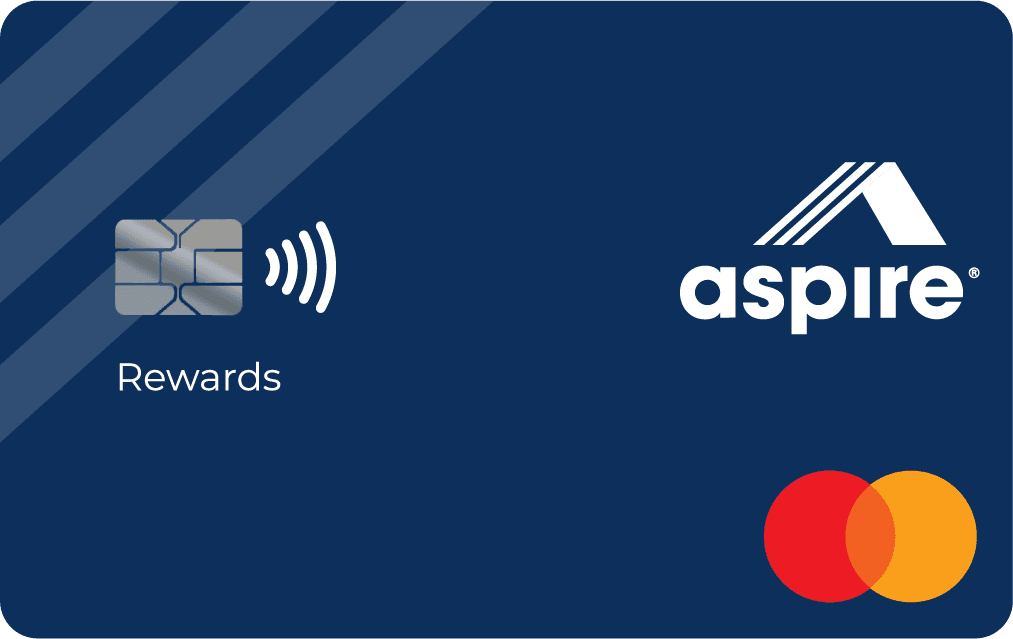
Aspire® Cash Back Rewards Mastercard
Aspire® Cash Back Rewards Mastercard. Prequalify* For Up To $1000 Credit Limit. No security deposit. Packed with great benefits, it’s designed to give you more flexibility—and purchasing power—along with up to 3% cash back rewards!** Good anywhere Mastercard is accepted, it’s the go-to card for any lifestyle.
Standout feature
Up to 3% cashback rewards**
Fees
$85–$175 first year, $229 thereafter (maintenance fees already included)
Pros
No Deposit Required. Prequalify* for up to $1000 credit limit
Cons
High APR, 36% Fixed.
Another strong option is the Perpay Credit Card, which is built around payroll direct deposit. Your monthly payment comes straight out of your paycheck, so on-time payments are automatic and you can build credit without the temptation to overspend. Perpay reports to all three bureaus and members see an average credit score increase of 32 points. For a closer look at fees and eligibility, read our full Perpay Credit Card review.
Perpay Credit Card
Perpay Credit Card
Meet the only card powered by your paycheck. With automatic transfers from your paycheck, you can manage payments stress-free and build credit with ease.
Fee
$9/month plus $9 account opening fee
APR
Marketplace: 0% / Credit Card: 27.74% to 29.99% depending on your creditworthiness.
Minimum Deposit Amount
$0
Credit Check
No
Cashback
2% reward on purchases made in Perpay Marketplace
Benefit
2% rewards, no security deposit
Secured Credit Cards
Secured cards require a refundable security deposit (typically $200 to $2,500) that becomes your credit limit. The deposit lowers the issuer's risk, so approval odds are very high even if you have no credit or poor credit. Most secured cards charge modest annual fees ($0 to $25) and help you build credit quickly when used responsibly. Learning about the secured credit card deposit process is essential before you apply.
The Self Visa® Credit Card is one of the most accessible secured cards on the market. New customers start with a $0 intro annual fee in year one ($25 thereafter), and the card pairs naturally with a Self Credit Builder Account so you can grow your credit and your savings at the same time. For a closer look at how it works, read our full Self Credit Builder Card review.
Other Options
Beyond unsecured and secured starter cards, a few other paths can help you build credit on a low income:
- Store credit cards. Department stores and retailers often have lower approval thresholds than traditional banks. Interest rates tend to run high, so only use them for purchases you can pay in full each month.
- Credit-builder products. Some fintechs offer credit-building accounts that don't work like a traditional card but still report on-time payments to all three bureaus. They're a strong choice if you have very limited cash to commit each month.
- Cards with no annual fee. Look for any card advertising a $0 annual fee. Cards that charge $95+ rarely make sense if you're managing every dollar carefully.
- Cards with no foreign transaction fees. If you never travel or send money abroad, skip this. If you do, those 3% fees add up faster than you'd expect.
Using Credit to Build Financial Stability
The real power of a credit card for low-income earners is building credit history, which opens doors to better opportunities:
Lower Borrowing Costs: Better credit scores mean lower interest rates on mortgages, car loans, and personal loans. Over time, this saves thousands of dollars.
Utility and Rental Deposits: Landlords and utility companies check credit scores. Better credit can mean lower deposits when you move.
Job Opportunities: Some employers check credit scores. A strong score removes this barrier.
Emergency Flexibility: When you have good credit, unexpected expenses become manageable. You have access to credit if needed, rather than relying on expensive payday loans.
The key is using your card strategically. Keep balances low, aim to use less than 10% of your credit limit. Pay on time every single month. Small, consistent credit activity builds a strong history.
Smart Card Habits on a Tight Budget
Only charge what you can pay off: Use your card for a small recurring expense, like a subscription you already have, that you can afford. Paying it off monthly builds credit without risk.
Automate payments: Set up automatic payments from your checking account so you never miss a due date. Late payments damage your credit and cost you in fees.
Track your spending: Check your balance regularly. A small charge you forget about can compound if interest kicks in.
Avoid cash advances: These come with high fees and interest rates. They're a trap on a tight budget.
Don't close old accounts: Once you've built credit and graduate from a secured card, keep it open with occasional small charges. Length of credit history helps your score.
Frequently Asked Questions
Can I get a credit card with low income?
Yes. Many secured cards and some unsecured cards approve applicants regardless of income level. A secured card requires a deposit that becomes your credit limit, so income is less important.
What income do you need for a credit card?
There is no universal minimum. Card issuers look at your ability to make payments, which can include household income, savings, or benefits like Social Security.
Will a low credit limit hurt my credit score?
A low limit itself does not hurt your score, but it makes it easier to have high utilization. Keep your balance below 30% of your limit, ideally under 10%, to maintain a healthy score.
What is the best credit card for low-income earners?
Secured cards with low fees and no minimum income requirements are ideal. Look for cards that report to all three bureaus and charge minimal annual fees.
Living on a low income doesn't mean you can't build strong credit. With the right card and disciplined habits, you can create financial stability and open doors to better opportunities. Start small, stay consistent, and watch your credit grow. Ready to find the perfect card for your situation? Explore Firstcard's curated selection of credit cards designed for builders at any income level.