
More than 64 million Americans earned gig income in 2025, and that number keeps climbing. The problem: most credit applications still ask for a W-2 and a single employer. Gig economy income verification in 2026 is doable, but it takes the right documents and the right strategy.
Whether you drive for Uber, deliver for DoorDash, freelance on Upwork, or run a small online store, here is how to prove your income to credit card issuers, auto lenders, and landlords. Rideshare drivers weighing a loan can also see how that same income evidence plays out in our guide to personal loans for Uber drivers. Our roundup of the best credit cards for gig workers covers options that approve 1099 income out of the gate.
Why Verification Trips Up Gig Workers
Traditional underwriting was built around predictable monthly pay. When a lender sees uneven deposits and no consistent employer, the automated system flags the file as higher risk. Many gig workers get denied even when their income is higher than salaried peers.
The fix is to translate gig income into the documents lenders recognize. There are four widely accepted formats:
- 1099-NEC and 1099-K from clients and platforms
- Schedule C from your last two tax returns
- Bank statements showing consistent deposits
- Profit and loss statements from accounting software
The goal isn't to look like a W-2 worker. It is to show clearly that your income is stable and verifiable.
What Counts as Income on an Application
The CARD Act lets you list gross annual income from all reasonably accessible sources. For gig workers, that typically includes:
- Net earnings after business expenses from your Schedule C
- Side income from multiple platforms (Uber, DoorDash, Instacart, etc.)
- A spouse's income if you have joint accounts
- Investment income, alimony, or government benefits if relevant
Use your tax return as the floor and add year-to-date income that is documented in bank deposits. If your last two years swing widely, lenders often average them. The full credit card income requirements guide breaks down what counts and what doesn't.
Documents to Have Ready Before You Apply
Gather these into one folder before any credit application:
- Last two years of federal tax returns (Form 1040 with Schedule C)
- Year-to-date profit and loss statement from QuickBooks, Wave, or your accounting tool
- The last 3 to 6 months of business and personal bank statements
- A list of platforms you earn from and your monthly average per platform
- ID, SSN or ITIN, and current address
Issuers won't always ask for the documents up front, but having them ready means you can respond fast if they do.
Alt-Data Tools Lenders Are Starting to Use
A handful of lenders now pull alt-data directly from your bank account. Plaid, MX, and Finicity feed deposit and cash-flow data into underwriting models that approve gig workers off bank activity rather than tax returns. For context on how these new models score thin files, see our explainer on alternative credit scoring models.
The practical effect: if you have 3 to 6 months of steady gig deposits, some lenders will approve you without ever seeing a tax return. Look for the phrase "connect your bank to verify income" during the application flow.
This is a 2026 trend that has finally gone mainstream. Most major credit card issuers still rely on stated income plus credit bureau data, but personal loan and BNPL providers are leaning hard on alt-data.
Best Path: Build Credit Without Needing Income Verification
If your income is hard to document, consider products that don't require it. The Self.Inc Credit Builder Account reports an installment loan to all three bureaus for 12 to 24 months, with no credit check and no income verification beyond a basic bank account. Payments range from $25 to $150 per month, which makes it a natural first product for gig workers whose deposits are uneven. Read our full Self Credit Builder review for a step-by-step walkthrough. For a low-deposit option, a secured credit card is the most straightforward way to start reporting positive history.

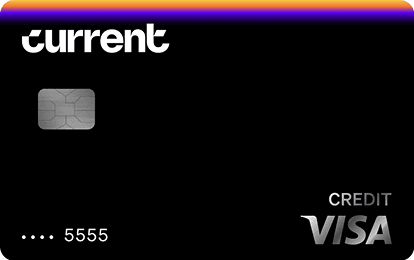
The Current Build Card is a debit-credit hybrid, and it is the single easiest card for a gig worker to get approved for because there is no income proof and no hard pull. You spend what you already have in your account, and Current reports the activity to the bureaus like a traditional credit card.
Cheers offers a credit-builder product designed for gig workers and renters. It reports rent and utility payments to the bureaus, which is useful when your earned income is uneven but your fixed expenses are paid on time. For Instacart drivers and food delivery couriers specifically, our list of the best cards for Instacart shoppers and gig workers highlights cards built around gas and groceries spending.
Current Build Card
Current Build Card
$0 annual fee. No minimum deposit required. No credit check required. 1 point per dollar on eligible categories. Reports to Experian, TransUnion, Equifax.
Fee
$0
APR
0%
Minimum Deposit Amount
$0
Credit Check
No
Cashback
1 point/dollar on eligible categories (with qualifying payroll deposit)
Benefit
No credit check, no deposit minimum
A stacked strategy works best: open a credit-builder loan and a secured or credit-builder card at the same time. After 6 months of on-time payments, both products report positive history, and your score typically rises 30 to 80 points. The side hustle and freelance income you earn between shifts counts on the application as long as it shows up in your bank deposits. Since that income hinges entirely on your ability to keep working, self-employed and gig earners should also weigh disability insurance to replace earnings if an illness or injury keeps them off the road or off the platform for months.
How to Strengthen Your File Before Applying
Three moves in the 60 days before any application can lift your approval odds.
First, pay down revolving balances to under 10% of your limit. Utilization is the single fastest score lever. Our utilization rate explainer covers why even a temporary spike hurts your score.
Second, don't apply for new credit during this window. Each hard inquiry shaves 5 to 10 points and signals risk.
Third, check your three credit reports for errors at annualcreditreport.com. About 1 in 5 reports has at least one error, and disputing them can add 10 to 40 points if a negative item is removed.
Because gig income makes timing your applications tricky, it helps to watch your score move in real time. Creditship is a free AI-powered credit monitor that tracks all three bureaus and tells you exactly which actions are moving your score, so you can apply in the months when your file looks strongest. Firstcard's credit builder card options are also designed for non-W-2 workers, including gig and freelance applicants.
Creditship

Creditship
Get free credit monitoring and concrete advice how to improve your credit from Creditship AI.
Standout feature
AI Credit Coach. AI analyzes your credit report in depth and gives you tailored, actionable steps to raise your score.
Fees
Free
Pros
Free credit report access plus monitoring and alerts
Cons
No credit repair feature
When You Have to Verify Income for a Big Loan
For auto loans and mortgages, lenders typically need more than alt-data. The standard requirement for a self-employed borrower is two years of federal tax returns plus a year-to-date profit and loss statement. Some lenders also ask for a CPA letter confirming your business and income.
If your tax returns show low net income because of aggressive deductions, you may need to choose between maximizing your refund and qualifying for a bigger loan. Talk to a tax professional before filing the year you plan to apply.
For smaller credit-builder loans, Cheers and Self.Inc keep the bar low: a bank account, an ID, and the ability to make the monthly payment.
Frequently Asked Questions
Can I get a credit card without W-2 income?
Yes. Credit card applications ask for gross annual income, not W-2 income specifically. You can list freelance, gig, investment, and household income. Secured cards like the Self Visa® Credit Card and the Current Build Card approve applicants with thin files and don't require traditional employer verification.
What documents prove gig income for credit applications?
The strongest documents are your last two years of tax returns with Schedule C, year-to-date profit and loss statements, 1099-NEC or 1099-K forms from platforms, and 3 to 6 months of bank statements showing gig deposits. Some 2026 lenders also accept Plaid-connected bank data in place of paper.
How do I build credit if I have no income history?
Start with a no-income-check product like the Self.Inc Credit Builder Account or the Current Build Card. Both report to all three bureaus and require only a basic bank account. Pay on time for 6 to 12 months, then apply for a traditional credit card once your score is above 670.
Will lenders accept bank statements instead of tax returns?
Some do, especially personal loan providers and credit-builder products that use alt-data. For credit cards, bank statements often serve as backup if the issuer asks for proof after you apply. For mortgages and large auto loans, lenders almost always require tax returns. APRs vary by creditworthiness.




