
Did you know a single number can move your credit score by 50 points in just one billing cycle? That number is your utilization rate, and it carries roughly 30% of the weight in your FICO score. Many people watch their payment history closely but ignore this metric, only to find their score drops after a big purchase.
Your utilization rate is the percentage of your available revolving credit that you are currently using. Lenders treat it as a quick gauge of how stretched your finances are. The lower the number, the safer you typically look to creditors.
What Utilization Rate Actually Measures
Utilization rate, sometimes called credit utilization ratio, is a simple math problem. Take the balance reported on your revolving accounts, divide it by your total credit limits, and multiply by 100.
If you have a $2,000 balance on a card with a $10,000 limit, your utilization is 20%. The credit bureaus then average this across all your revolving accounts to produce an overall figure.
Only revolving accounts count toward utilization. Installment loans like auto loans or mortgages are tracked separately and do not factor into this number.
How the Calculation Works in Practice
There are two figures lenders look at: per-card utilization and overall utilization. Both matter for your score.
Say you have three cards. Card A has a $300 balance on a $1,000 limit (30%). Card B has a $0 balance on a $3,000 limit (0%). Card C has a $1,200 balance on a $5,000 limit (24%).
Your overall utilization adds up balances ($1,500) and limits ($9,000), which equals about 17%. But Card A is sitting at 30% on its own, which can still hurt your score even though the average looks fine. For a deeper walkthrough of these numbers, see our full breakdown of credit card utilization.
Why Utilization Carries So Much Weight
Lenders use utilization as a real-time stress signal. A maxed-out card suggests you may be relying on credit to cover expenses you cannot otherwise afford. A low balance suggests you have room to absorb surprises. If you are wondering why higher credit utilization decreases your credit score, this is the core reason: it signals risk.
Unlike payment history, which reflects past behavior, utilization shifts month to month. That makes it the fastest way to move your score, up or down.
FICO research has found that people with scores above 800 typically keep utilization under 10%. Those in the 700s often run between 10% and 20%. Once you cross 30%, scores can start to slide noticeably.
How a Starter Card Can Help You Manage Utilization
If you are working on building credit, getting a card with a higher limit can be tough. The Kikoff Secured Credit Card is one option designed for people starting from scratch or rebuilding. Because it reports to all three major credit bureaus, on-time payments and low balances can both help shape your utilization picture.
A secured card lets you set your own deposit, which becomes your credit limit. That gives you some control over the ratio you are reporting. Terms apply, and APRs vary by creditworthiness.
Kikoff Secured Credit Card
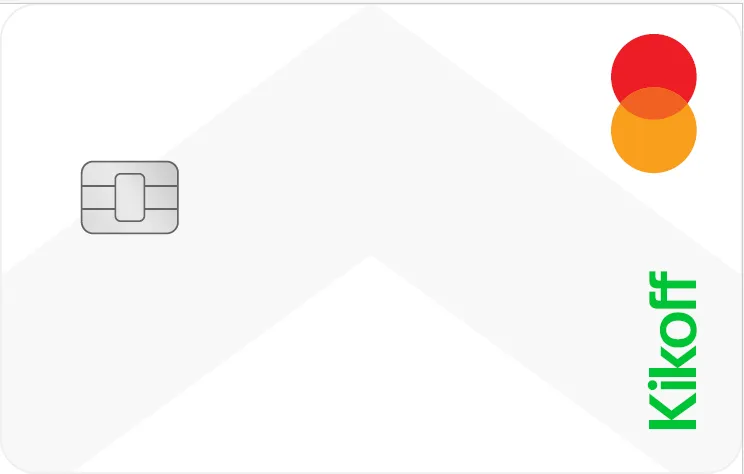
Kikoff Secured Credit Card
Kikoff Secured Credit Card works like a debit card & checking account and performs like a credit builder. Build credit with your everyday purchases.
APR
0%
Minimum Deposit Amount
$0
Credit Check
No
Cashback
Yes
Benefit
0% interest. No credit check.
The 30% Rule and Why Lower Is Better
You have probably heard the rule of thumb: keep utilization below 30%. That number comes from older FICO guidance and remains a useful ceiling, but it is not a target. Our credit utilization ratio explainer digs into where that benchmark came from.
The truth is closer to this: under 30% protects you from major damage, under 10% helps you optimize. If you are aiming for the 750+ range, single-digit utilization is the goal.
A quick example. On a card with a $5,000 limit, 30% means a $1,500 balance. To hit under 10%, you would keep the reported balance under $500.
When Utilization Is Reported
Here is a detail many people miss. Your card issuer reports your balance to the bureaus once a month, usually on your statement closing date. That snapshot is what determines your utilization, not the balance after you pay.
So even if you pay your card in full by the due date, a high statement balance can still cause a temporary score dip. To avoid this, some people make a payment a few days before the statement closes.
This is sometimes called the early-payment trick, and it can keep your reported balance low without changing how much you spend.
Fast Ways to Lower Your Utilization Rate
If your number is too high, you have several levers to pull. The fastest is making a payment before your statement closes. If you want a refresher on the basics, our guide to what credit utilization is covers the fundamentals.
A second option is asking your issuer for a credit limit increase. A higher limit with the same balance immediately lowers your ratio. Many issuers allow soft-pull requests every six months or so.
A third option is spreading balances across multiple cards. Moving $1,000 from a $2,000-limit card to a $5,000-limit card can reduce the strain on any single account, which can help per-card utilization.
Paying down the balance is always the most reliable fix. Limit increases and balance shuffling help, but they do not actually reduce what you owe.
Common Mistakes That Drive Utilization Up
Closing an old card is one of the most common slip-ups. When you close a card, you lose its credit limit, which shrinks your total available credit and pushes your utilization higher.
Another mistake is charging a large one-time purchase right before the statement closes. Even if you plan to pay it off, that snapshot can hurt your score for a month.
A third mistake is only watching overall utilization. Remember, a single card at 90% can drag your score down even if your other cards are at 0%.
Frequently Asked Questions
What is a good utilization rate?
Under 30% is considered safe, but under 10% is ideal if you want to optimize your score. People with scores above 800 typically keep their utilization in the single digits. Zero percent across all cards is not actually best, since lenders want to see some activity.
Does utilization affect my credit score immediately?
Utilization updates each time your card issuer reports a new balance to the bureaus, usually monthly. A score change can show up within 30 to 60 days of a balance change. Unlike late payments, utilization does not have a lasting effect once the balance drops.
Should I pay my card before the statement closes?
Paying before the statement closes lowers the balance reported to the bureaus, which can help your utilization. This is useful if you are about to apply for a loan or want a higher score in the short term. You still need to pay any remaining balance by the due date to avoid interest.
Do installment loans count toward utilization?
No. Utilization rate only applies to revolving accounts like credit cards and lines of credit. Installment loans, including auto loans, student loans, and mortgages, are tracked in a separate part of your credit report and do not affect this metric.




