
You paid every bill on time, never missed a payment, and your credit score still dropped 40 points last month. Sound familiar?
High utilization is usually the cause. It is one of only two factors that can quickly move your FICO score, and the math behind it is not friendly to anyone who carries balances.
This guide goes deeper than the usual "keep it under 30%" advice. It explains exactly why scoring models punish higher utilization, how the algorithms weight different ratios, and what the data shows about how much each tier actually costs you. If you want the basics first, our primer on credit utilization covers the fundamentals. And if you are wondering why your score drops every January despite paying every bill, our guide on how holidays affect your credit score walks through the exact utilization spike that hits most files in December.
The Risk Signal Behind Utilization
Credit scoring models are not arbitrary. Each factor in your score corresponds to a measurable correlation with the likelihood that you will default on a future debt.
FICO researchers analyzed millions of credit files and found a clear pattern. Borrowers who use more of their available credit are statistically more likely to miss payments in the next 24 months. This is true even when those borrowers have never missed a payment in the past.
The theory makes sense. Someone using 70% of their credit lines has less cushion for emergencies. A job loss or medical bill that someone with 5% utilization could absorb might push the 70% person into delinquency.
So utilization is not punished because high balances are bad in themselves. It is punished because high balances correlate with future risk, and credit scores are designed to predict risk.
How FICO Weights Utilization
The FICO score has five categories with these weights:
- Payment history: 35%
- Amounts owed (which includes utilization): 30%
- Length of credit history: 15%
- Credit mix: 10%
- New credit: 10%
Utilization is the biggest piece of the amounts-owed category, but it is not the only one. The category also looks at total balances across all accounts, balances on installment loans, and the number of accounts carrying balances.
Research on FICO scoring suggests utilization alone accounts for roughly 20% of your total score. That means a 100-point swing in utilization scoring can shift your overall score by up to 20 points.
VantageScore weights utilization similarly. The exact percentages differ, but utilization is described as "highly influential" in VantageScore documentation, putting it in the top tier of factors.
How Utilization Tiers Affect Your Score
FICO does not publish exact point deductions for each utilization level, but credit-bureau research and consumer score-tracking data show clear tiers.
0% utilization across all cards: Often results in a small score reduction compared to 1-9%, because zero usage suggests inactive accounts. Most scoring models prefer to see at least one card reporting a small balance.
1% to 9%: This is the sweet spot. Most people with FICO scores above 800 fall in this range. The score effect is maximum positive.
10% to 29%: Still considered low. The score impact is minor, usually less than five points compared to single-digit utilization.
30% to 49%: Crossing 30% is where the score drop becomes noticeable. Expect a 15 to 35 point hit depending on your starting profile.
50% to 74%: The penalty compounds. Some consumers report 50 to 75 point drops when overall utilization crosses 50%.
75% and above: This is the worst tier. Maxed-out cards (90%-plus) signal severe financial stress and can drop your score 100 points or more.
Per-Card vs Overall Utilization
Most guides only mention overall utilization, but the scoring models also look at each individual card.
Imagine you have three cards, each with a $5,000 limit. Two are at $0 and one is maxed out at $5,000. Your overall utilization is 33%, which sounds tolerable. But your per-card utilization on the maxed card is 100%, and that single maxed card is heavily penalized.
In practice, the scoring models track both. A maxed-out card can cost you 20 to 40 points on its own, even when overall utilization looks fine.
The practical takeaway is to spread balances. Two cards at 30% each will outscore one card at 60% with another at 0%, even though the totals are the same.
Tools like Brigit and Monarch Money show per-card balances on a single screen, which makes it easier to spot which card is hurting you most.
Why the Score Reacts So Fast
Unlike payment history, utilization has no memory. Your score only sees your current utilization ratio at the moment the credit bureaus pull your data.
This is why utilization is the only credit factor you can fix in days. Pay your card down before the statement closes, and your next score update reflects the lower ratio. There is no waiting period.
The reverse is also true. A one-time large purchase that spikes your utilization will show up in your score the next time the bureaus update, which is usually within 30 days.
This volatility is why people see their scores swing 30 or 40 points month to month even without doing anything wrong. The number is just tracking their statement-date balances.
The Math Behind the Drop
For a concrete example, consider someone with a 720 FICO score and these accounts:
- Card A: $500 balance / $5,000 limit (10% utilization)
- Card B: $300 balance / $3,000 limit (10% utilization)
- Card C: $200 balance / $2,000 limit (10% utilization)
Overall utilization is 10%, and the score is healthy at 720.
Now imagine that person charges $4,000 to Card A for an emergency car repair. New picture:
- Card A: $4,500 balance / $5,000 limit (90% utilization)
- Card B: $300 balance / $3,000 limit (10% utilization)
- Card C: $200 balance / $2,000 limit (10% utilization)
Overall utilization jumps to 50%. Card A alone is now 90% utilized. The combined effect can drop the FICO score from 720 to anywhere between 640 and 680, depending on the rest of the profile.
That is an 40-80 point drop from a single purchase, and no late payment has occurred.
The same person could fix this by paying $3,500 down before the statement closes. By the next reporting cycle, the score recovers most of those points. This is what makes utilization the most actionable credit factor.
Why Lenders Care About Utilization
Lenders use utilization data far beyond the FICO score number itself. Many use it in their own underwriting models, and some adjust credit limits or APRs based on it.
High utilization can trigger an account review. Card issuers monitor your overall credit profile, not just your behavior on their card. If they see your utilization climbing across all your accounts, they may reduce your credit limit or close your account.
Mortgage lenders look at utilization with extra scrutiny. Some underwriters require utilization under 10% on each card for the best rates on a home loan.
Auto lenders are less strict but still factor utilization in. The MoneyLion marketplace and similar platforms use utilization alongside score in their pre-approval algorithms.
This is also why credit-building products structure their offerings the way they do. The Self Visa® Credit Card is backed by a Credit Builder Account, which means the card limit only grows as you build savings. This keeps utilization naturally low.
The Kikoff Secured Credit Card uses small reported balances and high reported limits, a structure designed to optimize your utilization math without requiring you to actively manage it.
How to Use This Knowledge
If you understand the math, the strategy is obvious. Keep reported utilization under 10% per card, and well under 10% overall. For step-by-step tactics, see our guide on the credit utilisation ratio and how to lower yours.
The simplest way is to pay your card down before the statement closes, not just before the due date. Set a calendar alert two days before each card's statement date.
If you cannot pay it down, raise your limits. Most issuers allow soft-pull credit limit increases every six to twelve months. A higher limit lowers your ratio without changing your spending.
If neither is realistic, add accounts. Opening a Current Build Card or similar credit-building card adds to your total available credit, which lowers your overall utilization automatically.
Current Build Card
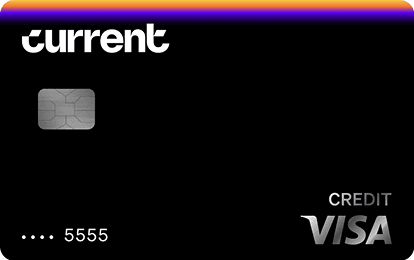
Current Build Card
$0 annual fee. No minimum deposit required. No credit check required. 1 point per dollar on eligible categories. Reports to Experian, TransUnion, Equifax.
Fee
$0
APR
0%
Minimum Deposit Amount
$0
Credit Check
No
Cashback
1 point/dollar on eligible categories (with qualifying payroll deposit)
Benefit
No credit check, no deposit minimum
Creditship.ai monitors utilization in real time and sends alerts when any card crosses a scoring threshold, which is one of the easiest ways to stay on top of this without manual checking.
Frequently Asked Questions
How much does utilization actually affect my credit score?
Utilization is roughly 20 to 30% of your FICO score, depending on the rest of your profile. In practice, going from 5% utilization to 60% can drop your score by 50 to 100 points, even if you have never missed a payment. The exact impact depends on your credit history length and other factors.
Why is high utilization considered risky if I pay my balance every month?
Scoring models do not see your payment timing within the month. They only see the balance reported on your statement date. Even if you pay in full a week later, your reported high balance still suggests financial stress to the algorithm, and the score reflects that risk signal regardless of your intent to pay.
Does paying off one big balance help my score immediately?
Usually yes, but not the same day. Your score updates when the credit bureaus receive new data from your card issuer, which typically happens within a few days of your statement closing date. So a payment made today will show up in your score within roughly two to four weeks.
Can high utilization stay on my credit report after I pay it off?
No. Unlike late payments, utilization has no historical record. Once your reported balance drops, the high utilization disappears from your active scoring file. The bureaus do not keep a log of past utilization ratios.
Terms and conditions apply.




