Do Guaranteed Approval Credit Cards Really Exist?
Let's start with the honest answer: truly guaranteed approval credit cards with high limits are extremely rare. Most cards that advertise "guaranteed approval" come with significant trade-offs like high fees, low limits, or restricted usage.
That said, there are legitimate cards with very high approval odds that can offer $1,000 or more in credit. The key is knowing where to look and understanding what lenders actually evaluate.
Cards With High Approval Odds and $1,000+ Limits
Unsecured Cards
Unsecured cards for bad credit don't require a security deposit, so the full credit limit is usable from day one. Three stand out for pairing high approval odds with $1,000+ limits.
The Aspire® Cash Back Rewards Mastercard (prequalify here) prequalifies applicants for up to a $1,000 credit limit with no security deposit, and earns up to 3% cash back. It's designed specifically for people with fair or rebuilding credit and works anywhere Mastercard is accepted — making it one of the few unsecured options that can reach the $1,000 threshold without putting cash down.
Aspire® Cash Back Rewards Mastercard
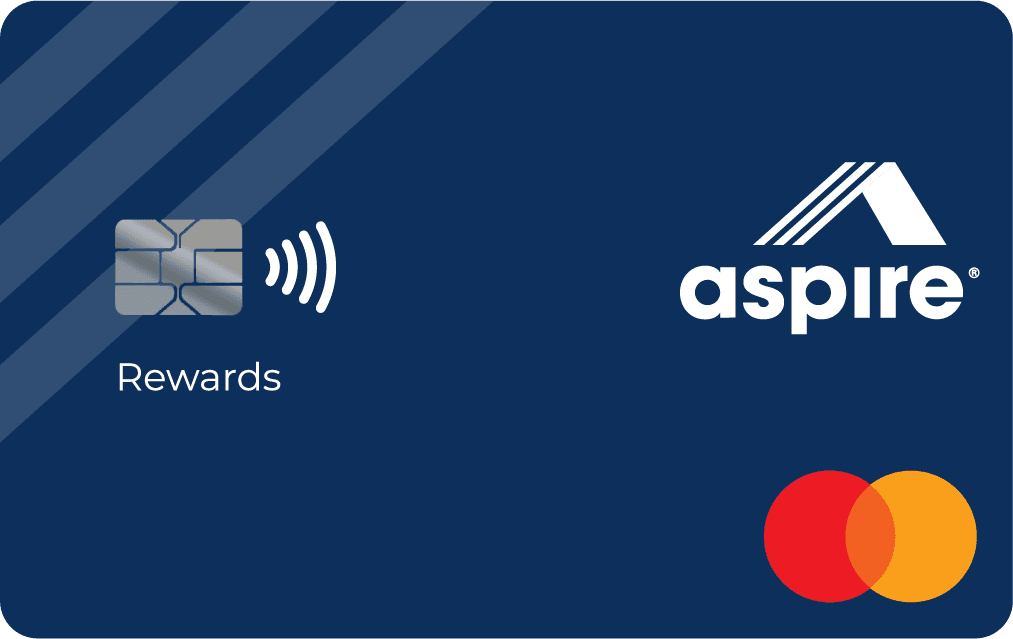
Aspire® Cash Back Rewards Mastercard
Aspire® Cash Back Rewards Mastercard. Prequalify* For Up To $1000 Credit Limit. No security deposit. Packed with great benefits, it’s designed to give you more flexibility—and purchasing power—along with up to 3% cash back rewards!** Good anywhere Mastercard is accepted, it’s the go-to card for any lifestyle.
Standout feature
Up to 3% cashback rewards**
Fees
$85–$175 first year, $229 thereafter (maintenance fees already included)
Pros
No Deposit Required. Prequalify* for up to $1000 credit limit
Cons
High APR, 36% Fixed.
The Perpay Credit Card (apply here) takes a different angle to unsecured approval. Payments are pulled automatically from your paycheck via direct deposit, so missed payments are essentially impossible — which is why Perpay can approve applicants who'd be turned down by traditional issuers. The card earns 2% rewards on all purchases, requires no security deposit, and reports to all three credit bureaus so on-time activity builds your score in parallel.
Perpay Credit Card
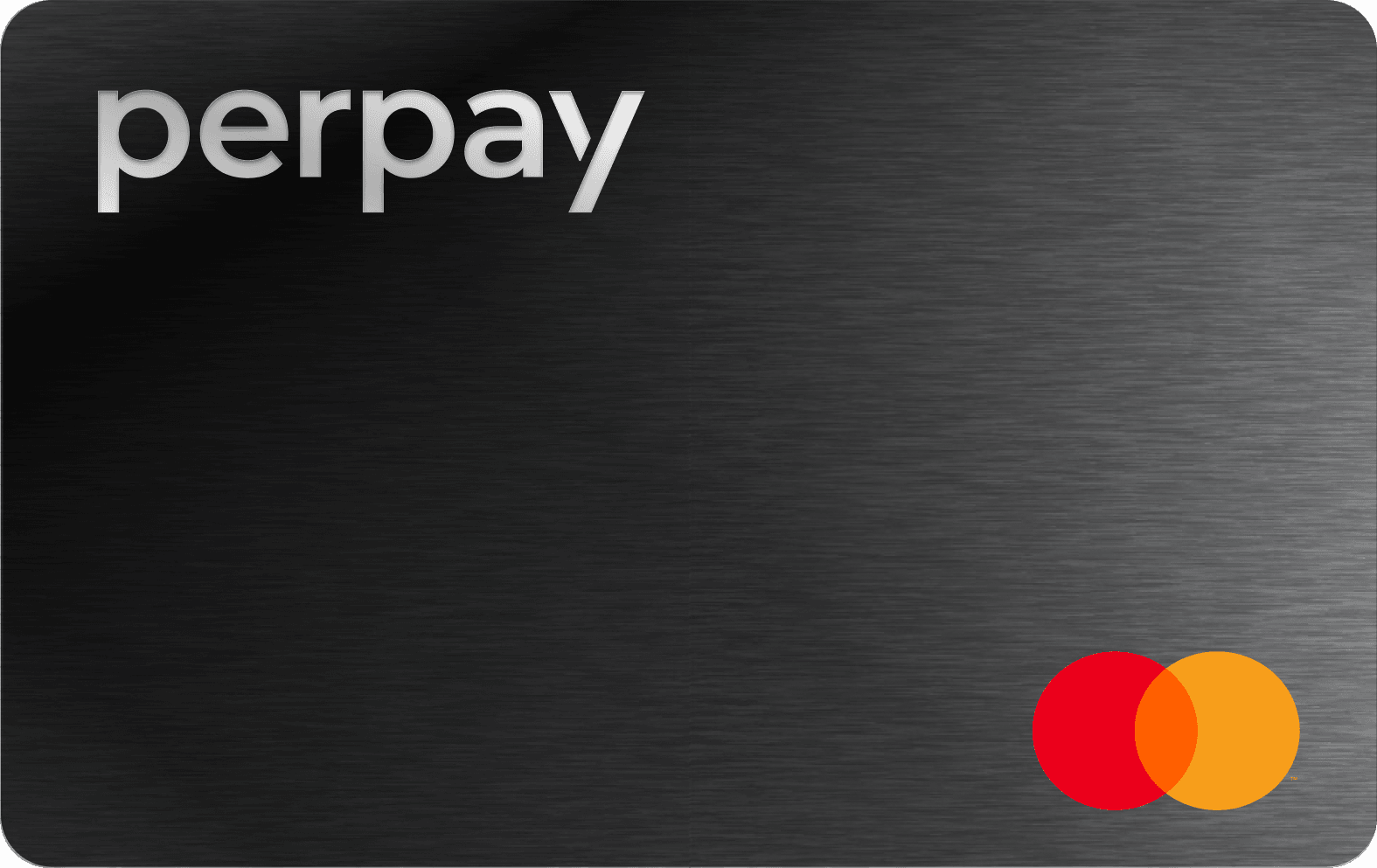
Perpay Credit Card
Meet the only card powered by your paycheck. With automatic transfers from your paycheck, you can manage payments stress-free and build credit with ease.
Fee
$9/month plus $9 account opening fee
APR
Marketplace: 0% / Credit Card: 27.74% to 29.99% depending on your creditworthiness.
Minimum Deposit Amount
$0
Credit Check
No
Cashback
2% reward on purchases made in Perpay Marketplace
Benefit
2% rewards, no security deposit
The Arro Card (get started here) rounds out the unsecured picks with no security deposit and no hard credit check at signup, so approval odds stay high even with a thin or damaged file. You can start with a credit line up to $2,500, and most starter approvals land between $300 and $1,000, with room to grow toward the higher end by completing in-app tasks and making on-time payments. Arro reports to all three bureaus and earns 1% cash back on gas and groceries, including Walmart and Target. The annual fee is $60. Read our full Arro Credit Card review for approval odds and fee details.
Arro Card
Arro Card
No deposit. No hard credit check. Start with up to $300 and grow your credit line to $2,500 by completing in-app tasks. Earn 1% cash back on gas and groceries — including Walmart and Target.
Standout feature
Unsecured — no deposit required
Fees
up to $60/ year
Pros
1% cash back on gas & groceries
Cons
Starting credit limit: $50–$300
Secured Credit Cards
Secured cards offer the closest thing to guaranteed approval because your deposit reduces the lender's risk. With most secured cards, your credit limit equals your deposit. So if you deposit $1,000, you get a $1,000 limit.
The Discover it Secured Card and Capital One Platinum Secured are strong options. Capital One may even offer a higher limit than your deposit amount after a few months of on-time payments.
Store Credit Cards
Retail store cards tend to have lower approval requirements than major credit cards. Cards from stores like Walmart or Amazon may approve applicants with lower credit scores. However, these typically start with lower limits and can only be used at specific retailers.
Credit Builder Cards
Credit builder cards designed for people with bad or no credit can be an option. While the initial limit may be lower, responsible use can lead to limit increases over time.
Why Most "Guaranteed" Cards Fall Short
High fees eat into your limit. Some cards that advertise guaranteed approval charge hefty annual fees, monthly maintenance fees, or processing fees. A card with a $1,000 limit but $200 in fees really only gives you $800 of usable credit.
Subprime cards carry high interest. Cards designed for bad credit often charge APRs of 25% to 36%. If you carry a balance, the interest can add up fast.
Some aren't real credit cards. Be cautious of cards that only work in specific online catalogs or require you to shop from a limited selection of overpriced products. These predatory products prey on people desperate for credit approval.
How to Maximize Your Approval Chances
Check your credit report first. Before applying, get your free credit report from AnnualCreditReport.com. Look for errors that might be dragging your score down. Disputing inaccuracies can quickly improve your standing.
Use pre-qualification tools. Many issuers let you check if you're pre-qualified without affecting your score. Capital One, Discover, Aspire, and others offer this feature. It's a soft pull that tells you your odds before you formally apply.
Apply at your bank or credit union. If you have a checking or savings account, your bank already knows your financial behavior. They may be more willing to approve you for a credit card, sometimes with better terms than what you'd find elsewhere.
Start with a smaller limit and grow. Getting a $500 card and using it responsibly for six months is often enough to qualify for a credit limit increase. Many issuers review accounts automatically and raise limits for good behavior.
Red Flags to Watch For
Upfront fees before you get the card. Legitimate credit cards don't charge you before you're approved and receive your card.
No credit bureau reporting. If a card doesn't report to at least one major credit bureau, it won't help you build credit. Always verify this before applying.
Confusing terms or hidden fees. Read the fine print. If the fee structure is hard to understand, that's usually by design.
Promises that sound too good. No legitimate lender guarantees everyone approval with a high limit and low fees. If it sounds too good to be true, it probably is.
A Better Strategy for Building Credit
Instead of chasing guaranteed approval cards, focus on building your credit score so you qualify for better options naturally. Start with a secured card, make every payment on time, keep your utilization low, and let your score grow.
Within six to twelve months of responsible use, you'll likely qualify for unsecured cards with $1,000+ limits and much better terms than any "guaranteed approval" card could offer. Learn more about credit score needed for a credit card and credit score ranges.
The Bottom Line
True guaranteed approval credit cards with $1,000 limits for bad credit are mostly a marketing myth. Your best path is either a secured card that reports to all three bureaus or one of the rare unsecured options (like Aspire, the Perpay Credit Card, or the Arro Card) that combine high approval odds with $1,000+ limits and no deposit. Pair the card with responsible habits, and your score will follow. Build your credit the right way with the credit builder card.
Frequently Asked Questions
Do any credit cards truly guarantee approval for people with bad credit?
No legitimate credit card can guarantee approval for everyone — issuers are required by law to evaluate each application. Cards marketed as "guaranteed approval" typically have very lenient requirements, but they still review your application and may deny for reasons like insufficient income or fraud flags.
Can I get a $1,000 credit limit with bad credit?
Yes, but the most reliable paths are either a secured card where you put down a $1,000 deposit, or an unsecured option like the Aspire® Cash Back Rewards Mastercard which prequalifies applicants for up to a $1,000 limit with no deposit. Some other unsecured cards for bad credit offer limits up to $1,000, but you won't know your exact limit until after approval. Starting with a lower limit and demonstrating responsible use often leads to limit increases within 6-12 months.
What is the minimum credit score for a $1,000 limit credit card?
There's no universal minimum, but unsecured cards with $1,000 limits for bad credit typically accept scores as low as 300-580. For the best chance at a higher limit on an unsecured card, aim for a score above 580. With a secured card, your credit score matters less — your deposit determines your limit regardless of score.