
When you arrive in the United States, your credit history from your home country doesn't come with you. In the eyes of U.S. lenders, you're starting from zero — even if you had an excellent credit record back home.
This can feel frustrating. But the good news is that building U.S. credit from scratch is very achievable, and the timeline is shorter than most people expect.
The Unique Challenges Immigrants Face
Credit in the U.S. is tracked by three private bureaus — Equifax, Experian, and TransUnion. They maintain records of how you've borrowed and repaid money in the United States. Foreign credit histories don't transfer.
Additionally, many credit products require a Social Security Number (SSN) to apply. If you haven't received your SSN yet, your options are more limited — though not zero. Some lenders accept an Individual Taxpayer Identification Number (ITIN) instead. Anyone can get an ITIN regardless of immigration status, and TheITIN.com makes the process fast and 100% online. Learn more about credit cards that accept ITIN numbers.
Finally, without a U.S. credit file, landlords, employers, and lenders have no data to evaluate you — making it hard to rent an apartment or get a fair loan rate. If you are a lawful permanent resident, our dedicated guide on building credit history as a green card holder walks through the specific product options once you have an SSN.
The Credit-Building Timeline for Immigrants
Month 1–3: Getting started Your first step is opening a credit account that reports to the U.S. bureaus. Options include:
- A secured credit card (you put down a deposit as collateral)
- A credit builder loan from a credit union
- Becoming an authorized user on a family member or trusted friend's card
- A card specifically designed for immigrants (like those offered by Nova Credit for people from select countries)
After 1–2 billing cycles of on-time payments, your account will be reported to the bureaus.
Month 3–6: Your first credit score After about 3–6 months with at least one open, active account, you'll have enough history to generate a credit score. VantageScore can generate a score even sooner — sometimes after just one month. Your first score may be modest (typically 580–650), but it exists, which is a major milestone.
Month 6–12: Building momentum With consistent on-time payments and low credit utilization, your score typically climbs into the "fair" range (580–669). You may now qualify for a basic unsecured credit card or a small personal loan.
Month 12–24: Reaching "good" credit With a full year or two of positive history, many immigrants can reach the "good" range (670+). At this point, you'll have significantly more options — better card rewards, lower loan rates, easier apartment approvals.
The Fastest Paths to U.S. Credit for Immigrants
Secured credit card: The most reliable starting point. You put down a deposit (typically $200–$500) that becomes your credit limit. The card reports your payments to the bureaus every month. Learn how secured credit cards work.
Nova Credit: This service transfers your credit history from select countries (India, Mexico, UK, Canada, Australia, and others) to a U.S.-compatible format. Some lenders and landlords accept Nova Credit reports in place of a U.S. credit history.
ITIN-based credit cards: Several issuers accept an ITIN instead of an SSN. This lets you start building U.S. credit even before you receive your SSN.
Authorized user: If you have a trusted family member or friend in the U.S. with good credit, being added to their account can give your score a boost right away.
Rent reporting: Services like Self or Boom report your rent payments to the credit bureaus. Since you're already paying rent, this can add positive payment history at low or no extra cost.
Tips to Build Credit Faster
- Pay on time, every time. Payment history is 35% of your FICO score. This is the single most important habit.
- Keep utilization low. Use less than 30% of your credit limit — ideally under 10%.
- Don't apply for too many accounts at once. Each application triggers a hard inquiry that temporarily lowers your score. Space them out.
- Keep your accounts open. Closing accounts reduces your available credit and shortens your credit history.
Frequently Asked Questions
How long does it take to build credit as a new immigrant? Most immigrants can generate their first U.S. credit score within 3–6 months and reach "good" credit (670+) within 12–24 months of consistent, responsible use.
Can immigrants build credit without an SSN? Yes. Many issuers accept an ITIN (Individual Taxpayer Identification Number) for credit card applications. See loans without SSN for borrowing options.
Does Nova Credit work for all countries? No. Nova Credit currently supports credit history from India, Mexico, UK, Canada, Australia, Brazil, Dominican Republic, Kenya, Nigeria, Philippines, and South Korea.
What's the easiest credit card to get as a new immigrant? Secured credit cards designed for immigrants are typically the easiest starting point.
The Bottom Line
As a new immigrant, you can realistically reach a "good" credit score (670+) within 12 to 24 months of opening your first U.S. credit account. The keys are starting early, choosing products that report to the bureaus, and maintaining consistent habits. Every on-time payment builds the foundation for a stronger financial future in your new home.
A No-SSN, No-Credit-Check Card to Start With
If you have not received your SSN yet, the Current Build Card is one of the few options that does not require an SSN or a credit check to open. It carries no minimum deposit and reports to all three bureaus, so your everyday spending starts building U.S. payment history right away. For a newcomer with a thin or empty file, that is an easy first tradeline to establish.
Current Build Card
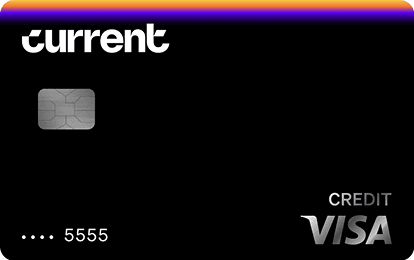
Current Build Card
$0 annual fee. No minimum deposit required. No credit check required. 1 point per dollar on eligible categories. Reports to Experian, TransUnion, Equifax.
Fee
$0
APR
0%
Minimum Deposit Amount
$0
Credit Check
No
Cashback
1 point/dollar on eligible categories (with qualifying payroll deposit)
Benefit
No credit check, no deposit minimum
Build a Reportable History With a Secured Card
Once you do have an SSN, a secured card is the classic next step for establishing U.S. credit. The Self Visa® Credit Card pairs a secured card with a Credit Builder Account and reports to all three bureaus, which checks both the revolving and installment boxes that scoring models like to see. It is a dependable way to add the kind of history that helps you reach the good range within that 12 to 24 month window.

TheITIN.com

TheITIN.com
No SSN? No problem. TheITIN.com makes getting your U.S. tax ID (ITIN) fast and painless — 100% online. Perfect for people who need to start building credit, file taxes, or open bank accounts in America.
Standout feature
100% online ITIN application. No hidden fees. Trusted by thousands with 4.8★ on Trustpilot.
Fees
Starting at $497
Pros
Fast, fully online process. Highly rated customer support (4.8★ Trustpilot). Transparent pricing with no hidden fees.
Cons
Processing time depends on IRS (can take up to 14 weeks).




