
Why Building Credit as a Freelancer Is Different
Freelancing offers freedom and flexibility, but it creates unique challenges when building credit. Lenders love stability — steady paychecks, long employment history, predictable income. As a freelancer, you might have none of these on paper, even if you're earning well.
The good news is that your credit score itself doesn't care whether you're employed or self-employed. It's based on your payment history, credit utilization, account age, credit mix, and new inquiries. Where freelancing gets tricky is when you apply for credit and lenders want to verify your income. Once your credit is ready for a rewards card, our picks for the best credit cards for freelancers cover rewards and business-expense options that don't require traditional W-2 income. If your current score is blocking you, read our guide to freelancer business credit cards with bad-credit approval for secured and guarantor-backed options that still let you separate business spend.
The Income Verification Challenge
When salaried employees apply for credit, they show a few pay stubs and an employer letter. Done. As a freelancer, lenders often want two years of tax returns, profit-and-loss statements, 1099 forms, and bank statements showing consistent deposits.
This creates a catch-22. Many freelancers write off business expenses to lower their tax bill (which is smart), but that also lowers their reported income on paper. A freelancer earning $80,000 who writes off $30,000 in expenses shows $50,000 in income to lenders. This affects your debt-to-income ratio and borrowing power.
The solution isn't to stop taking deductions — it's to plan ahead. If you know you'll apply for a mortgage or major loan in the next year, consider adjusting your deductions slightly so your reported income better reflects your actual earning power.
Strategies for Building Credit as a Freelancer
Start with the fundamentals that work for everyone. Pay every bill on time, every time. This is 35% of your credit score and the single most important factor. Set up autopay for minimum payments on all accounts so you never miss one, even during slow months.
If you're building credit from scratch, start with a secured credit builder card like the Self Visa® Credit Card or Kikoff. These report to all three bureaus and don't require traditional income verification. The Current Build Card is another strong option with no credit check. Read our Self credit builder review, Kikoff review, and Current Build Card review to compare.
Keep your credit utilization low. With irregular income, it's tempting to lean on credit cards during dry spells. Resist this urge — high utilization tanks your score. Instead, build a cash reserve (3-6 months of expenses) to cover gaps between projects.
Get a dedicated business credit card. This separates personal and business spending, builds a track record of business credit, and gives you a higher combined credit limit. Many business cards report to personal credit bureaus too, giving you a double benefit.

Kikoff Credit Account

Kikoff Credit Account
Everything you need to build your credit, right in one app. Build credit, lower debt, and unlock progress with tools that actually work.
Standout feature
An avg increase of +86 points within a year with on-time payments
Fees
$5/month for Basic plan, $20/mo for Premium plan $35/mo for Ultimate plan
Pros
Helps both payment history and credit utilization, the two factors that move scores most
Cons
Monthly fee continues for as long as you keep the account open
Current Build Card
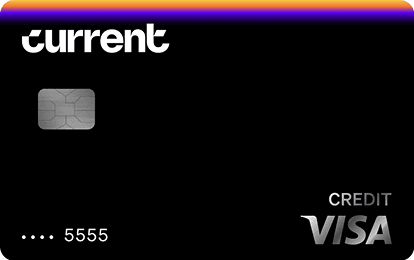
Current Build Card
$0 annual fee. No minimum deposit required. No credit check required. 1 point per dollar on eligible categories. Reports to Experian, TransUnion, Equifax.
Fee
$0
APR
0%
Minimum Deposit Amount
$0
Credit Check
No
Cashback
1 point/dollar on eligible categories (with qualifying payroll deposit)
Benefit
No credit check, no deposit minimum
Managing Cash Flow to Protect Your Credit
Irregular income is the freelancer's biggest credit risk. A great month followed by a dry spell can lead to missed payments if you're not prepared. The key is smoothing out your income through planning.
Create a separate "tax and bills" account. Every time you get paid, transfer a fixed percentage (30-40%) into this account for taxes, minimum payments, and essential bills. This ensures your credit obligations are covered regardless of how business is going.
Avoid the feast-or-famine trap with credit cards. During good months, pay down balances aggressively. During slow months, stick to minimums but never miss them. One missed payment can drop your score significantly, and rebuilding takes months.
A credit builder account from Self or a CreditStrong installment loan is another great option if you're starting from scratch. These credit builder loans are designed specifically for people building credit — you make fixed monthly payments, which builds positive payment history, and you get the money back when the loan matures.
Proving Income When Applying for Credit
When you're ready to apply for a mortgage, auto loan, or other major credit, prepare documentation well in advance. Keep clean, organized records of all income — invoices, contracts, bank deposits, and 1099 forms.
File your taxes on time every year. Lenders almost always want two years of tax returns. If you've been freelancing for less than two years, some lenders may still work with you, but you'll need strong documentation of your income trajectory.
Consider working with a lender who specializes in self-employed borrowers. They understand freelance income patterns and may have more flexible verification requirements. Credit unions are often more accommodating than big banks.

Magnum by CreditStrong

Magnum by CreditStrong
MAGNUM helps you build large amounts of credit. Build $2,000 to $25,000 of credit history starting at just $30/mo. No hard credit pull. Reports to all 3 bureaus.
Loan Amount
$2,000 to $25,000
Term
45 months or 120 months
APR
11.11%
Admin Fee
$25
Monthly Fee
$30/mo to $110/mo depends on the plan
Credit Check
No
Average Score Increase
88+ points average FICO score increase
FAQ
Do freelancers have lower credit scores? Not inherently. Your credit score depends on payment history and credit behavior, not employment type. Freelancers with good habits have excellent scores.
Should I incorporate to help with credit? Forming an LLC or S-corp can help build business credit separately from personal credit. It also adds credibility when applying for business financing.
Can I get a mortgage as a freelancer? Yes, but you'll need at least two years of freelance income documented through tax returns. Lenders average your income over those two years.
What if I just started freelancing? Focus on building personal credit first with a credit builder card like Self or Kikoff. Keep your utilization low and make all payments on time while you build your freelance track record.
Freelancing and strong credit aren't mutually exclusive. With disciplined cash flow management, consistent on-time payments, and good documentation habits, you can build excellent credit while enjoying the freedom of self-employment. Tools like Self and Kikoff can help you build credit with consistent, manageable payments that work with your freelance schedule.




