Updated March 2026. This article has been reviewed and updated with the latest information.
If you've never had a credit card, loan, or credit account, you're not alone. Many immigrants, international students, and young adults face this exact situation. The challenge: lenders want credit history to give you credit.
But here's the secret: building credit with no credit history is simpler than it looks. You just need to know the right moves.
Why You Need Credit History
Credit history matters because it's your financial resume. Lenders use it to decide if they'll approve you and at what interest rate.
Without it, you can't qualify for mortgages, car loans, or good credit card rates. You might even struggle to rent an apartment or get a job. Building credit early is one of the smartest financial moves you can make.
Step 1: Get a Secured Credit Card
A secured credit card is the fastest way to start. You put down a cash deposit (usually $200-$2,500), and that becomes your credit limit.
Use it for small purchases and pay off the balance in full every month. After 6-18 months of on-time payments, you'll have positive payment history and can graduate to a regular card.
Step 2: Become an Authorized User
If you have a friend or family member with good credit, ask them to add you as an authorized user on their account. You'll get access to their positive payment history.
This works best if they use credit responsibly. Their good habits help boost your credit before you even have your own accounts.
Step 3: Get a Credit Builder Loan
A credit builder loan is designed exactly for people building credit from scratch. You borrow money, make monthly payments, and then get the full amount back.
It sounds backward, but it works. Every on-time payment gets reported to credit bureaus, building your history. No credit check required.
If you've been turned down for traditional loans, the Kikoff Credit Account is a low-cost place to start. It is not a loan. It is a $750 revolving credit line that you can only use in the Kikoff store. As of November 2026, it costs $5 a month, charges no interest, needs no credit check, and reports your payments to all three credit bureaus.
Kikoff Credit Account

Kikoff Credit Account
Everything you need to build your credit, right in one app. Build credit, lower debt, and unlock progress with tools that actually work.
Standout feature
An avg increase of +86 points within a year with on-time payments
Fees
$5/month for Basic plan, $20/mo for Premium plan $35/mo for Ultimate plan
Pros
Helps both payment history and credit utilization, the two factors that move scores most
Cons
Monthly fee continues for as long as you keep the account open
Step 4: Report Your Rent and Utilities
If you don't qualify for credit products yet, don't worry. You can use rent reporting services to get credit for payments you're already making.
Services report your rent, phone, and utility payments to credit bureaus. This builds history without requiring a credit check or hard inquiry.
Step 5: Keep Your Credit Utilization Low
Once you have accounts open, don't max them out. Credit utilization ratio measures how much of your available credit you're using.
Aim to use less than 30% of your limit. If your card limit is $500, keep your balance under $150. This shows you can manage credit responsibly.
Step 6: Make Every Payment On Time
Payment history is 35% of your credit score. It's the single biggest factor. Missing payments tanks your score, but consistent on-time payments build it fast.
Set up automatic payments or calendar reminders so you never miss a due date.
When choosing your first secured credit card, look for one with no annual fee that reports to all three bureaus. The Current Build Card charges $0 in annual fees, 0% APR, and requires no minimum deposit, making it one of the most accessible options. Kikoff's Secured Credit Card is also specifically designed for people building credit with no history.
Current Build Card
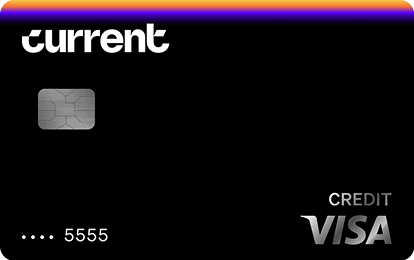
Current Build Card
$0 annual fee. No minimum deposit required. No credit check required. 1 point per dollar on eligible categories. Reports to Experian, TransUnion, Equifax.
Fee
$0
APR
0%
Minimum Deposit Amount
$0
Credit Check
No
Cashback
1 point/dollar on eligible categories (with qualifying payroll deposit)
Benefit
No credit check, no deposit minimum
Kikoff Secured Credit Card
Kikoff Secured Credit Card
**No longer offered.** Kikoff plans don't include the secured card anymore, but Kikoff's credit builder still works. Build credit with a reported Kikoff tradeline and low monthly payments, with no credit check and 0% interest.
APR
0%
Minimum Deposit Amount
$0
Credit Check
No
Cashback
No
Benefit
0% interest. No credit check.
Special Options for International Students
If you're studying in the U.S. on a student visa, you may not have an SSN yet. Look for options that accept ITIN (Individual Taxpayer Identification Number) or no-SSN credit products.
Look for international student credit cards and credit builder options for newcomers.
Frequently Asked Questions
How long does it take to build credit from scratch?
You can see your first score within 1-2 months if you open a credit account. Significant improvements take 6-12 months of on-time payments.
What credit score should I aim for?
Start by getting above 620, which opens doors to more products. Then work toward 670+ for better rates. Learn more about what is a good credit score.
Do I need multiple accounts to build credit?
One account is enough to start. But having a mix, like a secured card plus a credit builder loan, shows you can manage different types of credit.
Can I get a credit card if I have an ITIN instead of SSN?
Yes. Some issuers accept ITIN, but options are limited. Look for international student cards or credit cards that don't require an SSN.
How much should I put down for a secured card?
Start with the minimum, usually $200-$500. You can always add more later to increase your limit.
Start Building Your Credit Today
With no credit history, you have an advantage: there's nowhere to go but up. Start with a secured card or credit builder loan and commit to on-time payments. For ongoing monitoring and personalized guidance on your credit journey, use Creditship.ai for free credit monitoring and concrete advice. Then watch your score climb from zero to excellent.

The Firstcard team writes simple, research-backed guides on credit, cards, and credit building. Firstcard has been helping people build credit and save money since 2020. Full profile and latest articles →