Nigeria received over $20 billion in remittances in 2024, the largest flow of any country in Sub-Saharan Africa. A huge share of that money comes from the Nigerian diaspora in the United States, supporting parents, siblings, schools, and small businesses back home. For a primer on how the broader system works, see what is a remittance.
The US to Nigeria corridor has its quirks. Currency rules, naira exchange rate swings, and bank verification all add complexity. Here is the step-by-step 2026 guide to sending money to Nigeria with the lowest fees and fewest hiccups.
Step 1: Get Your Information Ready
Before you start, gather:
- A US bank account, debit card, or credit card to fund the transfer
- A government-issued photo ID, usually a passport or driver's license
- The receiver's full legal name as it appears on their bank account
- The receiver's 10-digit Nigerian bank account number
- The Nigerian bank name (Access Bank, GTBank, Zenith, First Bank, UBA, etc.)
- The receiver's phone number for SMS confirmation
If you are sending to a Naira account, the bank will pay out in naira at the local exchange rate. If you are sending to a domiciliary account in USD or GBP, the funds stay in foreign currency until the receiver chooses to convert.
New arrivals to the US without an SSN can still send money to Nigeria. Most major apps accept passport-based verification. The Current Build Card is a common funding source because the underlying account opens without an SSN. Newcomers can also look at the best credit cards for new immigrants to start building a US credit file.
Current Build Card
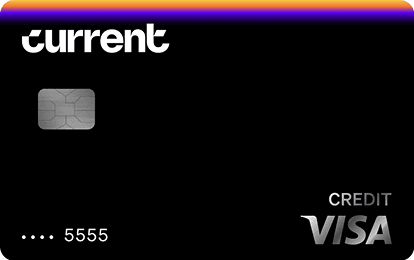
Current Build Card
$0 annual fee. No minimum deposit required. No credit check required. 1 point per dollar on eligible categories. Reports to Experian, TransUnion, Equifax.
Fee
$0
APR
0%
Minimum Deposit Amount
$0
Credit Check
No
Cashback
1 point/dollar on eligible categories (with qualifying payroll deposit)
Benefit
No credit check, no deposit minimum
Step 2: Choose the Right App
Here are the top performers for the US to Nigeria corridor.
Sendwave
Sendwave often charges $0 fees and uses a competitive exchange rate. Money lands in the receiver's account in minutes. The app is built specifically for Africa-bound remittances.
Wise
Wise applies the mid-market rate plus a small fee. A typical $500 transfer to a Nigerian bank costs around $5 to $9. Delivery is usually within 1 business day.
Remitly
Remitly Express, funded by debit card, lands in minutes. Remitly Economy, funded by bank account, is slower but often free of fees.
WorldRemit
WorldRemit is strong in African corridors and supports cash pickup, mobile money, and bank deposit. Fees range from $1.99 to $5.99 for most amounts.
Western Union and MoneyGram
Both offer fast cash pickup at thousands of agent locations across Nigeria. App fees are usually $2 to $5, with exchange-rate markups of 1% to 3%. Western Union is a strong pick when your receiver prefers to collect cash in person, with one of the widest agent networks in the country. MoneyGram offers a similar reach and frequently runs promotional first-transfer fees, so it is worth a price check before you send.


Step 3: Compare Fees and Exchange Rates
For a $500 transfer to a Nigerian bank account, here is a typical snapshot.
- Sendwave: $0 fee, competitive rate, lands in minutes
- Wise: $5 to $9 fee, near mid-market rate, 1 business day
- Remitly Express: $3.99 fee, slight markup, lands in minutes
- WorldRemit: $1.99 to $3.99 fee, 1% to 2% markup
- Western Union app: $2.99 fee, 1% to 3% markup
- MoneyGram online: $1.99 to $4.99 fee, 1% to 2% markup
Sendwave and WorldRemit often beat the others on total cost for the Nigeria corridor. Always compare the all-in amount your receiver gets in naira, not just the headline fee. For a wider angle on choosing the right provider, see the cheapest way to send money internationally.
If you do not yet have an SSN, identity verification can still be a hurdle with some providers. Applying for an Individual Taxpayer Identification Number gives you a stable ID that many financial apps accept, and a service like TheITIN.com can guide newcomers through the paperwork so future transfers go through without friction.
TheITIN.com

TheITIN.com
No SSN? No problem. TheITIN.com makes getting your U.S. tax ID (ITIN) fast and painless — 100% online. Perfect for people who need to start building credit, file taxes, or open bank accounts in America.
Standout feature
100% online ITIN application. No hidden fees. Trusted by thousands with 4.8★ on Trustpilot.
Fees
Starting at $497
Pros
Fast, fully online process. Highly rated customer support (4.8★ Trustpilot). Transparent pricing with no hidden fees.
Cons
Processing time depends on IRS (can take up to 14 weeks).
Step 4: Pick the Delivery Method
Nigeria offers four main delivery methods.
- Bank deposit to a Naira account, with funds arriving in minutes to 1 business day
- Bank deposit to a domiciliary USD or GBP account, useful when the receiver wants to hold foreign currency
- Mobile money to OPay, PalmPay, Kuda, and other digital wallets, with funds arriving in seconds
- Cash pickup at Western Union, MoneyGram, or local agent locations
Mobile money is rising fast. If your family member uses OPay, PalmPay, or Kuda, that is often the cheapest and fastest option.
Step 5: Initiate and Confirm the Transfer
Once you choose an app and method:
- Enter the amount in USD
- Confirm the receiver's details
- Pick your funding source (bank account funding usually saves 1% to 2%)
- Review the all-in cost and exchange rate
- Confirm and submit
Most apps send a confirmation email and SMS to the receiver. Save the reference number until the transfer lands.
Common Mistakes to Avoid
- Misspelled receiver name. Nigerian banks check names against the BVN (Bank Verification Number) system.
- Wrong account number. The Nigerian standard is 10 digits, not the older 9-digit format.
- Sending during volatile naira spikes. The naira swings, so a small wait can sometimes save 2% or more.
- Using credit card funding. Adds a 1% to 3% surcharge in most apps.
- Skipping the receiver's phone number. Many banks require it for SMS verification.
How to Save More on Every Transfer
A few habits cut your total cost over a year.
- Send larger amounts less often. Fixed fees mean $1,000 once beats $250 four times.
- Fund with a bank account when speed is not urgent.
- Compare three apps before each large transfer.
- Track the family budget with Monarch Money. Spotting patterns helps you trim unnecessary fees.
- Build US credit on the side. Better credit unlocks better US financial products and lower-rate loans.
The Self Visa® Credit Card, OpenSky, and Kikoff Secured Credit Card all report monthly to all three bureaus. Many Nigerian-American senders pair these with a Self.Inc Credit Builder Account to grow savings and credit at the same time.
If money gets tight between paychecks, an app like Brigit can cover a small advance so your sending plan stays on track.
When to Use a Bank Wire
US bank wires to Nigeria usually cost $25 to $50, plus a 2% to 4% exchange rate markup. They are slower than apps and almost always more expensive.
Use a bank wire only when:
- A Nigerian institution requires a SWIFT wire for compliance
- You are sending more than $50,000 in a single transaction
- An employer or business contract requires it
For any normal personal remittance, an app will beat a bank wire on cost and speed.
Final Word
Sending money to Nigeria does not have to be expensive in 2026. Sendwave, Wise, Remitly, and WorldRemit all keep fees low and delivery fast. Mobile money options like OPay and PalmPay are even faster for receivers who already use them.
Follow the steps above, compare apps before each large transfer, and combine your remittance routine with a credit-building tool. Your money supports family at home while your financial life in the US keeps growing.
Frequently Asked Questions
What is the cheapest way to send money to Nigeria?
Sendwave and WorldRemit are usually the cheapest options. Wise and Remitly Economy are also competitive on bank deposits. Always compare the all-in naira amount.
Can I send money directly to OPay or PalmPay?
Yes. Several apps now support direct deposits to OPay, PalmPay, and Kuda. Money usually lands in seconds and can be spent immediately.
How long does it take to send money to Nigeria?
Most app-based transfers land within minutes to 1 business day. Mobile money arrives in seconds. Bank wires from a US bank can take 1 to 3 business days.
Do I need a Social Security number to send money to Nigeria?
No. Most major apps accept passport numbers or ITINs for identity verification. The Current Build Card is a popular funding source for new immigrants since the account opens without an SSN.

The Firstcard team writes simple, research-backed guides on credit, cards, and credit building. Firstcard has been helping people build credit and save money since 2020. Full profile and latest articles →