Roughly 6% of U.S. households are unbanked, according to the FDIC, and millions more are underbanked. If you're one of them, sending money to friends or family is still very doable. You just need to know which cash-friendly option fits your situation. Here are the realistic ways to send money without a bank account, with the trade-offs spelled out. (For the broader picture of living without a credit card on top of a cash-only setup, our guide on how to survive financially without a credit card covers the budgeting, rent, and emergency-fund habits that make a credit-card-free life sustainable.)
Option 1: Cash Transfer Services (MoneyGram, Western Union, Ria)
The simplest option. Walk into a MoneyGram, Western Union, or Ria agent location with cash, fill out a send form, and pay the fee. The recipient can pick up cash at another agent location, often within minutes for domestic transfers and a few hours internationally. For a deeper look at what each network actually charges, our Western Union review and our MoneyGram review both break down the all-in cost on real corridors.
- Speed: Cash to cash in minutes domestically; under one business day internationally
- Fees: $5 to $25 for small transfers, more for amounts above $500. International fees vary by corridor.
- Limits: Most agents cap cash sends at $1,000 per day without extra ID. With a passport and address proof you can usually send up to $3,000 per transaction.
This is the most expensive option for small amounts but the fastest if the recipient also doesn't have a bank account.
Western Union lets you send cash for pickup without the recipient needing a bank account, and Western Union reaches most countries through its agent network. MoneyGram is a second strong option for cash-to-cash sends, and MoneyGram waives the fee on many first online transfers, so it is worth comparing both before you hand over cash at the counter.


Option 2: Prepaid Debit Cards
A reloadable prepaid debit card gives you a card number you can use online, plus a way to load cash at thousands of retail locations. Pair the card with a transfer service like Cash App, Venmo, or Zelle, and you can send money digitally without ever opening a checking account.
- How to load cash: Use the retailer reload network (Walmart, CVS, 7-Eleven, etc.) for a $3 to $5 reload fee
- Best for: People who want a digital experience but can't or don't want to open a bank account
- Watch out for: Monthly fees ($0 to $9.95), ATM fees, and inactivity fees on some cards
Option 3: Money Orders
A money order is a paper instrument you buy with cash at the post office, a grocery store, Walmart, or 7-Eleven. The recipient cashes it at their bank or check-cashing store. If you're not sure whether a money order or a wire-style transfer fits your situation, our money order vs. money transfer breakdown compares cost, speed, and where each one is the better tool.
- Cost: Around $1.75 at USPS, $1 at Walmart
- Limit: $1,000 per money order at USPS; $1,000 at Walmart
- Speed: As fast as you can mail or hand it over
Money orders are slow and only useful for in-person or mail delivery, but they're cheap and don't require a bank account on either end.
Option 4: Mobile Wallets and P2P Apps
Apps like PayPal, Venmo, and Cash App technically don't require a traditional checking account. You can fund them with a prepaid card or with cash via Reload @ the Register or PayPal Cash. Once your wallet has a balance, you can send to anyone with the same app.
- Speed: Instant within the app
- Fees: Free for standard transfers; 1.75% to 3% for instant withdrawals to a card
- Catch: Both sender and recipient need an account on the same platform (or a compatible one)
For international sends without a bank account, look at Wise (now requires a debit/credit card or wallet) or Remitly's cash deposit option.
If the real blocker is that you do not have a Social Security number, many senders and billers will still ask for a taxpayer ID. TheITIN.com helps you apply for an Individual Taxpayer Identification Number so you can open wallets and verify larger transfers, and TheITIN.com handles the IRS paperwork for you. An ITIN is the most common way unbanked immigrants and international students clear identity checks on remittance platforms.
TheITIN.com

TheITIN.com
No SSN? No problem. TheITIN.com makes getting your U.S. tax ID (ITIN) fast and painless — 100% online. Perfect for people who need to start building credit, file taxes, or open bank accounts in America.
Standout feature
100% online ITIN application. No hidden fees. Trusted by thousands with 4.8★ on Trustpilot.
Fees
Starting at $497
Pros
Fast, fully online process. Highly rated customer support (4.8★ Trustpilot). Transparent pricing with no hidden fees.
Cons
Processing time depends on IRS (can take up to 14 weeks).
Option 5: Bill Pay and Buy Now Pay Later as Bridges
If you're trying to pay a specific bill, services like doxo and Plastiq let you pay almost any biller with a debit card or even cash via partnerships with retail chains. This isn't "sending money" in the friend-to-friend sense, but it's how unbanked customers pay rent and utilities.
Buy Now Pay Later services like Affirm or Afterpay can also bridge a short cash gap if you need to make a purchase but don't have funds today. Just remember that BNPL is a debt, and missed payments can be reported to credit bureaus.
Fees Comparison: Sending $200 Domestically
| Method | Typical Fee | Speed |
|---|---|---|
| Walmart-to-Walmart (MoneyGram) | $4 | Minutes |
| Western Union (cash to cash) | $11 | Minutes |
| USPS money order + mail | $1.75 + postage | 2-5 days |
| Prepaid card + Cash App | $3 reload + $0 send | Minutes |
For recurring transfers, the prepaid + P2P route is dramatically cheaper than cash agent transfers.
How a Bank Account (or Credit Card) Changes the Math
A bank account or a credit card unlocks free Zelle, ACH, and many wallet transfers. If you're avoiding a bank because of past overdraft issues or no Social Security number, both are solvable.
The Current Build Card from Firstcard's partner Current doesn't require a Social Security number to start, which is the most common blocker for immigrants and international students. Once you have a card, you can fund a wallet, send money instantly, and start building credit at the same time. Self Visa® Credit Card and Kikoff Secured Credit Card are also no-credit-check starting points that work without a traditional checking account at sign-up.
Current Build Card
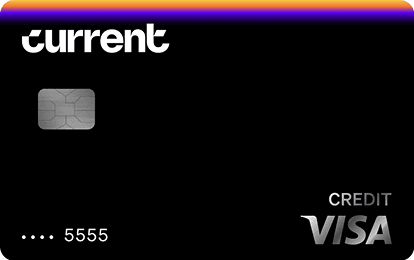
Current Build Card
$0 annual fee. No minimum deposit required. No credit check required. 1 point per dollar on eligible categories. Reports to Experian, TransUnion, Equifax.
Fee
$0
APR
0%
Minimum Deposit Amount
$0
Credit Check
No
Cashback
1 point/dollar on eligible categories (with qualifying payroll deposit)
Benefit
No credit check, no deposit minimum
What to Do Next
If you only need to send money once or twice, a Walmart MoneyGram or USPS money order is the cheapest one-off option. If you send money regularly, get a prepaid debit card or open a no-fee fintech account so you can send digitally for free. And if you're avoiding a bank because of credit history, look at credit-builder cards that don't require a SSN to start.
Frequently Asked Questions
Can I send money internationally without a bank account?
Yes. MoneyGram, Western Union, and Ria all accept cash at agent locations and pay out as cash, mobile wallet, or bank deposit on the receiving end. Fees are higher than digital transfers, but neither side needs a bank account.
Is it safe to send money via cash transfer services?
The transfer itself is safe and tracked, but cash transfer services are common targets for scams. Never send money to someone you've only met online, and never share your reference number until the recipient is at the pickup location.
Are there limits on how much I can send without a bank account?
Yes. Most cash agent transfers cap at $1,000 to $3,000 per transaction without enhanced verification. Money orders cap at $1,000 each. Prepaid card daily transfer limits range from $500 to $5,000 depending on the issuer.
What's the cheapest way to send $50 without a bank account?
A Walmart-to-Walmart MoneyGram costs about $4 and arrives within minutes. A USPS money order costs $1.75 plus postage but takes days to arrive. Mobile wallets are free for the send but require both parties to have an account.

The Firstcard team writes simple, research-backed guides on credit, cards, and credit building. Firstcard has been helping people build credit and save money since 2020. Full profile and latest articles →