Firstcard
Get Started
Menu

IRS Retirement Account Deadlines You Need to Know

May 20, 2026

Retirement accounts come with calendar dates that the IRS takes seriously. Miss one, and you could lose a deduction, pay a penalty, or both. Knowing the IRS retirement account deadline calendar each year keeps your savings on track.

The most common deadlines involve contributions and required withdrawals. Different accounts follow slightly different rules. A 401(k) deadline isn't the same as an IRA deadline, and the consequences vary too. Our brokerage vs retirement account guide spells out why these deadlines only apply to certain account types.

This guide walks through the dates that matter most, what happens if you miss them, and how to stay ahead of the calendar. None of this is tax advice, so check with a tax pro for your specific situation.

IRA Contribution Deadline

The IRA contribution deadline lines up with the federal tax filing deadline, usually April 15 of the following year. So for the 2025 tax year, you generally have until April 15, 2026, to add money to your traditional or Roth IRA. The current Roth IRA contribution rules cover income phase-outs and catch-up amounts in more detail.

This extra window is handy. If you find unexpected cash early in the new year, you can still fund the prior year's IRA. Just be sure to tell your brokerage which tax year the contribution applies to. Mobile apps like a Robinhood IRA usually offer a clear toggle for this during contribution, and a Robinhood Roth IRA handles after-tax contributions the same way.

Filing an extension doesn't extend the IRA deadline. You still need to make the contribution by the standard April date, even if your tax return goes on extension.

Best for: All-in-one investing across stocks, options, futures, and crypto

Robinhood

Robinhood
5Firstcard rating

Robinhood is a trading platform that brings stocks, ETFs, options, futures, prediction markets, crypto, and retirement accounts together in one app.

Standout feature

One platform for stocks, ETFs, options, futures, prediction markets, and crypto

Fees

$0 commission on stocks, ETFs, and options.

Pros

Zero-commission trading on stocks, ETFs, and options

Cons

Best perks (high APY, lower margin rates) require Gold subscription ($5/month)

401(k) Contribution Deadline

Workplace plans like 401(k)s follow a different rule. Employee contributions need to happen during the calendar year, which means December 31 is the cutoff.

Most 401(k) contributions happen through payroll deductions, so you can't just write a year-end check. To boost contributions before year-end, ask your payroll team to raise your deferral percentage for the final pay periods. Some employers allow last-minute bonus deferrals, but the timing is tight.

If your employer offers a match, contributing enough to get the full match is a common goal. Each missed pay period of a missed match is money left on the table.

Required Minimum Distribution Deadline

Once you reach the required age, currently 73 for most people, the IRS expects you to start pulling money out of traditional IRAs and 401(k)s. These withdrawals are called required minimum distributions, or RMDs.

The standard RMD deadline is December 31 each year. There's one exception for your very first RMD year, where you can delay until April 1 of the following year. Doing that means taking two RMDs in one calendar year, which can push you into a higher tax bracket.

Missing an RMD historically triggered a 50 percent excise tax on the missed amount. Recent law changes lowered the penalty to 25 percent, or 10 percent if corrected quickly. The penalty is still steep enough to motivate calendar reminders.

Roth IRA Conversion Deadline

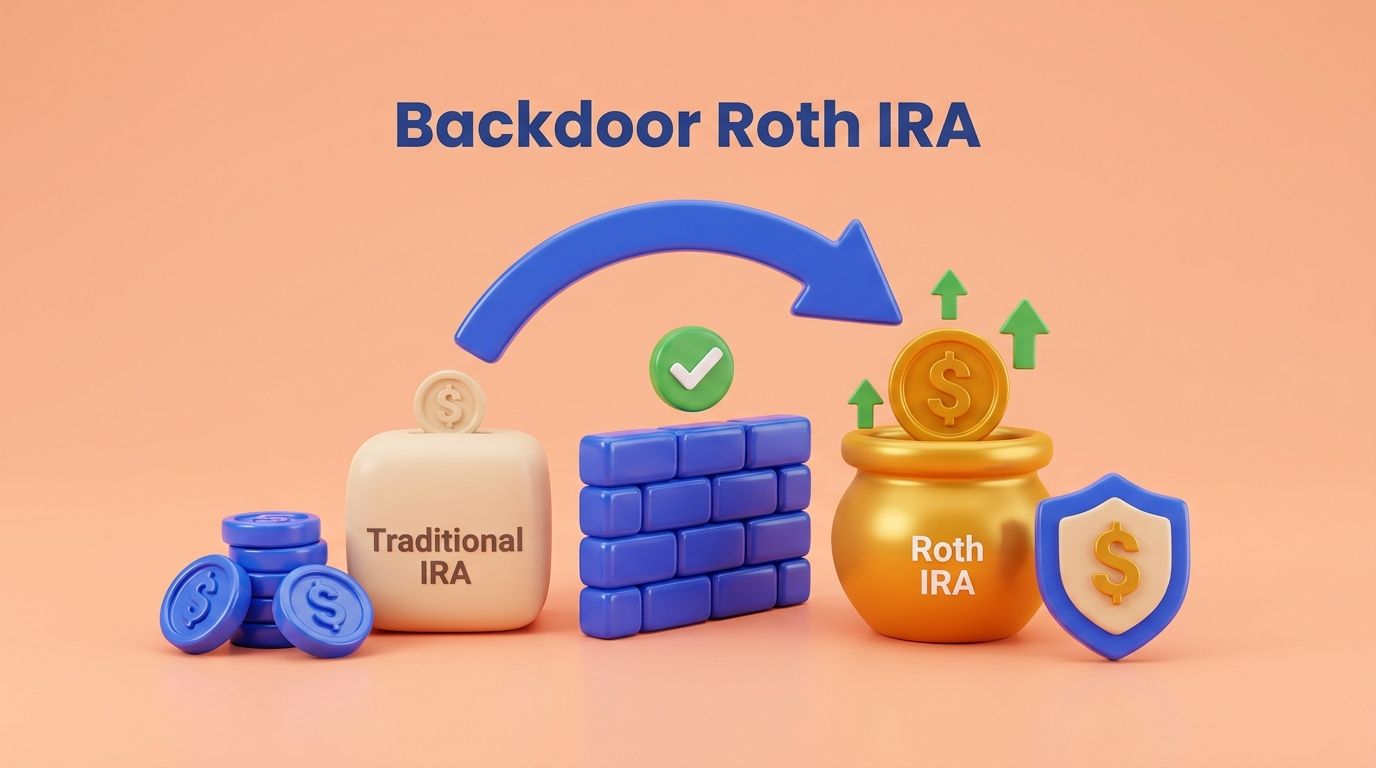
A Roth conversion moves money from a traditional IRA into a Roth IRA. You pay income tax on the converted amount that year, and the money then grows tax-free.

The Roth conversion deadline is December 31 of the tax year. Unlike contributions, you can't reach back into the prior year to convert. The window closes when the calendar year ends.

Many people consider conversions in lower-income years, like an early retirement gap or a year between jobs. Talking with a tax pro before converting helps you avoid surprises at tax time.

Excess Contribution Removal Deadline

The IRS sets yearly contribution limits. For 2026, the IRA limit is $7,500 for people under 50, with an additional $1,000 catch-up contribution for anyone 50 or older (as of May 2026). Going over these limits triggers a 6 percent excise tax that applies each year the excess sits in the account.

You can fix the mistake by withdrawing the excess plus any earnings before your tax filing deadline. This deadline includes extensions, which gives you a bit more breathing room. Acting quickly prevents the penalty from stacking up year after year.

Most brokerages have a process for removing excess contributions. You'll want to keep the paperwork in case the IRS asks.

How These Deadlines Fit With Bigger Plans

Keeping track of deadlines is easier when the rest of your finances are organized. Calendar reminders, automatic contributions, and a steady credit profile all support long-term saving. It also helps to know how retirement accounts and credit interact when lenders weigh your application.

Firstcard's credit builder card helps users build credit while keeping monthly costs predictable. Stronger credit means cheaper borrowing later, which leaves more room to put money into retirement. Pairing it with free credit monitoring makes tracking progress easier.

Automating contributions is one of the best ways to never miss a deadline. Setting up monthly or per-paycheck transfers to your IRA, plus the right deferral percentage in your 401(k), removes most of the calendar worry.

Frequently Asked Questions

Can I fund an IRA for the prior year after April 15?

Generally, no. The IRA contribution window closes on the tax filing deadline, which is typically April 15. Disaster-related extensions occasionally apply in specific regions. Filing a personal tax extension does not extend the IRA contribution deadline.

What if my employer's 401(k) match deposits late?

Employer matches can sometimes show up after the calendar year ends, as long as they apply to that tax year. The deadline for employer contributions is tied to the company's tax filing deadline. Talk with your payroll team if you have questions about timing.

Are RMDs required from Roth IRAs?

Roth IRA owners don't have to take RMDs during their lifetime under current rules. Inherited Roth IRAs do come with distribution rules, which vary based on your relationship to the original owner. Check with a tax professional for your specific case.

Can I undo a Roth conversion if I change my mind?

No, current law does not allow you to reverse a Roth conversion. This is sometimes called the loss of recharacterization. That means you'll want to be confident about the conversion amount and timing before submitting it.


Firstcard Educational Content Team

Firstcard Educational Content Team - May 20, 2026

Credit building
for all

Build credit early, earn cashback, grow your savings all in one place.

Credit building for all