
What Is an L1 Visa?
The L1 visa is for intracompany transferees — employees of multinational companies who are transferred to work at a U.S. office. L1A is for managers and executives; L1B is for workers with specialized knowledge.
L1 holders typically arrive in the U.S. with a job, income, and legal work authorization — but without any U.S. credit history. That lack of history is the main obstacle to getting a credit card. (For a comparison with the H1B path, see our credit card for H1B visa holders guide.)
The Core Challenge: No U.S. Credit History
U.S. lenders don't recognize credit history from other countries. Even if you had an excellent credit score in India, Germany, or Brazil, that history doesn't transfer to U.S. credit bureaus. For the broader country-by-country breakdown, see our how to transfer your credit from another country to the US guide.
When you first arrive, you're effectively invisible to the credit system — not bad credit, just no credit. Most credit card issuers see this as too much uncertainty, even for applicants with strong incomes.
Getting Your SSN First
L1 visa holders are authorized to work in the U.S. and are eligible for a Social Security Number. Apply at your local Social Security Administration office shortly after arriving. You'll need your visa documentation, passport, and I-94 arrival/departure record.
Your SSN is your gateway to the U.S. credit system. Without one, your options are limited — though some lenders will accept an ITIN (Individual Taxpayer Identification Number) in the meantime. If your spouse or dependents are on an EAD instead, our how to get a credit card with an EAD only walkthrough covers the issuer-specific options.
If your SSN is still being processed, or a dependent is not eligible for one, TheITIN.com can help you secure an ITIN so you can apply for credit products in the meantime. Because several immigrant-friendly issuers accept an ITIN in place of an SSN, getting this number sorted early removes the single biggest blocker between you and your first U.S. credit account.
TheITIN.com

TheITIN.com
No SSN? No problem. TheITIN.com makes getting your U.S. tax ID (ITIN) fast and painless — 100% online. Perfect for people who need to start building credit, file taxes, or open bank accounts in America.
Standout feature
100% online ITIN application. No hidden fees. Trusted by thousands with 4.8★ on Trustpilot.
Fees
Starting at $497
Pros
Fast, fully online process. Highly rated customer support (4.8★ Trustpilot). Transparent pricing with no hidden fees.
Cons
Processing time depends on IRS (can take up to 14 weeks).
Credit Card Options for L1 Visa Holders
Secured credit cards are the most accessible starting point. You deposit money (typically $200–$500) as collateral, and that becomes your credit limit. The card reports to credit bureaus, building your history month by month. After 12–18 months, many secured cards upgrade to unsecured with your deposit returned.
Immigrant-friendly lenders have emerged specifically to serve people like L1 holders:
- Nova Credit can translate foreign credit history from select countries (India, UK, Mexico, Canada, and others) into a U.S.-equivalent report, accepted by some lenders
- Zolve offers credit cards and bank accounts designed specifically for newcomers with international credit history
- Stilt and Jasper offer personal finance products for visa holders without extensive U.S. history
Bank-linked offers: If you have a relationship with a major U.S. bank (especially one with international operations like HSBC, Citibank, or Bank of America), they may offer a credit card based on your relationship history, even without U.S. credit.
A strong first account for newcomers is the Current Build Card, which lets you build credit from everyday spending without a traditional credit check tied to a U.S. history you don't yet have. It reports your activity to the bureaus, so it starts a positive payment record from your very first month in the country.
Current Build Card
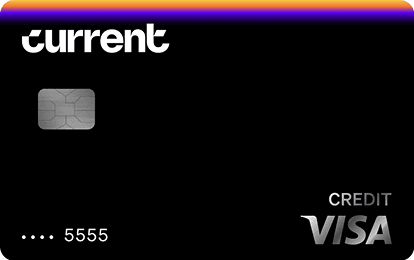
Current Build Card
$0 annual fee. No minimum deposit required. No credit check required. 1 point per dollar on eligible categories. Reports to Experian, TransUnion, Equifax.
Fee
$0
APR
0%
Minimum Deposit Amount
$0
Credit Check
No
Cashback
1 point/dollar on eligible categories (with qualifying payroll deposit)
Benefit
No credit check, no deposit minimum
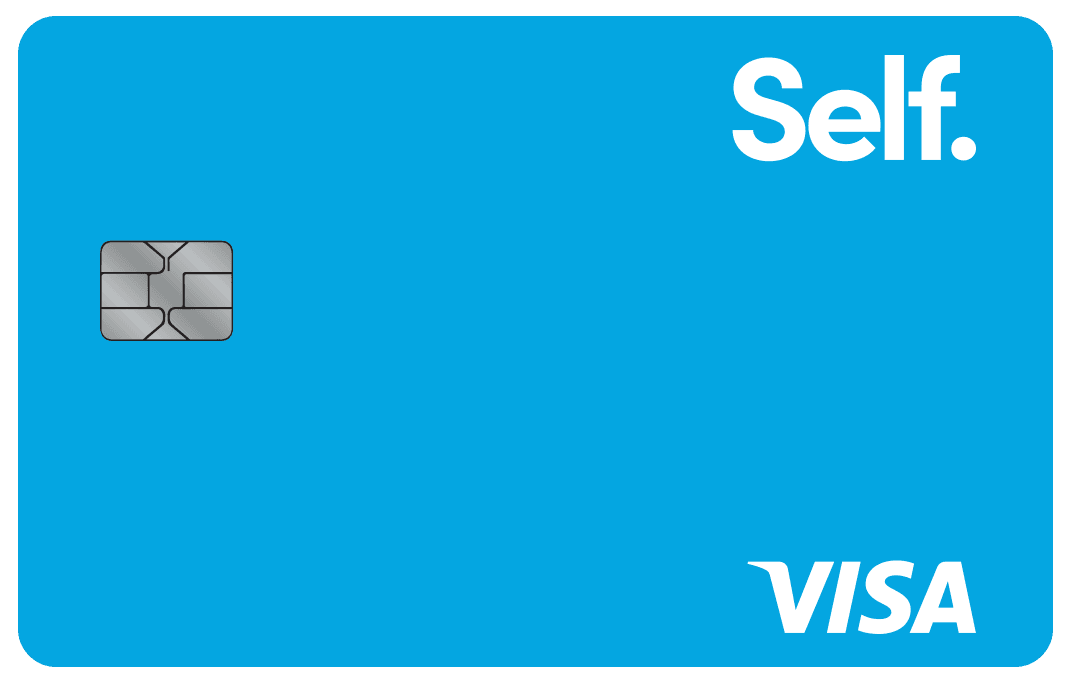
If you would rather start with a classic secured card that mirrors the deposit-as-limit model described above, the Self Visa pairs well with the secured approach. It is designed for people with no U.S. history and reports to all three bureaus, making it a reliable way to convert a refundable deposit into a real revolving credit line.
What to Expect From the Application Process
Most issuers will ask for:
- Your SSN (or ITIN)
- Your annual income (including your L1 salary)
- Your housing situation
- Sometimes: your visa type and expiration date
Some lenders are cautious about visa holders with expiration dates in the near future — they want to know you'll be in the U.S. long enough to use and repay the card.
Building Credit Quickly on an L1
Once you have a secured card or credit builder product:
- Use it for small, regular purchases
- Pay the full balance every month, on time
- Keep utilization below 30% of your limit
- After 6–12 months, you'll have a thin but positive credit file
With consistent behavior, most L1 holders can reach a fair-to-good credit score within a year of starting. If you eventually adjust status to permanent resident, our credit history for green card holders guide covers what changes (and what doesn't) when your green card arrives.
To diversify your file beyond a single card, the Kikoff Credit Account adds a low-cost revolving line you can manage with small monthly payments. Running it alongside a secured card gives you two reporting accounts instead of one, which helps a thin newcomer file grow faster while keeping your costs minimal.
Kikoff Credit Account

Kikoff Credit Account
Everything you need to build your credit, right in one app. Build credit, lower debt, and unlock progress with tools that actually work.
Standout feature
An avg increase of +86 points within a year with on-time payments
Fees
$5/month for Basic plan, $20/mo for Premium plan $35/mo for Ultimate plan
Pros
Helps both payment history and credit utilization, the two factors that move scores most
Cons
Monthly fee continues for as long as you keep the account open
The Bottom Line
Getting a credit card on an L1 visa is possible — it just requires a strategic starting point. Begin with a secured card or an immigrant-friendly fintech product, establish positive history, and you'll have more options within 12 months.
Learn more about how to build credit as an immigrant and what products are available for newcomers to the U.S.
Frequently Asked Questions
Do I need an SSN to get a credit card on an L1 visa?
Most issuers require an SSN, but some accept an ITIN as an alternative. L1 visa holders are eligible for an SSN since they have authorized work status — apply at your local Social Security Administration office shortly after arriving.
Does my L1 visa expiration date affect credit card approval?
Some lenders factor in visa expiration, preferring applicants with longer remaining authorization. L1B holders typically have up to 5 years of authorization; L1A up to 7. Showing a stable income and long remaining visa term helps your application.
Can I use my foreign credit history for a U.S. credit card application?
Not directly, but Nova Credit can translate your credit history from certain countries (India, UK, Canada, Mexico, and others) into a format that some U.S. lenders accept. It's worth checking if your home country is supported.
What credit score can I expect to have after 12 months on an L1 visa?
With consistent on-time payments and low utilization, most L1 holders can achieve a fair credit score (580–669) within 6–12 months. Reaching 670+ typically takes 12–24 months of active, responsible credit use.
Is it better to start with a secured card or a credit builder loan on an L1 visa?
A secured credit card is usually the better starting point because it gives you a revolving account that reports monthly activity. A credit builder loan is a useful complement — together they diversify your credit mix, which can accelerate score growth.




