Fair credit means a FICO score between 580 and 669, or a VantageScore between 601 and 660. At that level, you might struggle to get approved for premium rewards cards but stand a real chance with store credit cards.
This guide ranks the best store cards for fair credit in 2026 based on approval odds, perks, fees, and what each card actually does for your score.
What counts as fair credit?
Fair credit sits between subprime (below 580) and prime (670+). According to FICO data published in 2024, about 17% of U.S. adults fall in the fair range. Most store cards are designed to approve people in this band, which makes them an accessible first step.
Our top 5 store cards for fair credit
Amazon Store Card (Synchrony). 5% back at Amazon if you have a Prime membership. Reports to all three bureaus. Approval typically starts around 600 FICO. Best for heavy Amazon shoppers.
Target RedCard. 5% off most Target purchases plus free 2-day shipping. The credit version of the RedCard is issued by TD Bank and reports to all three bureaus. Approval generally starts around 620 FICO.
Kohl's Card. Big discount stack: 35% off your first purchase, plus regular Kohl's Cash promos. The Kohl's Card is issued by Capital One and runs an APR of 32.74% (variable, as of January 2026). Approval typically starts at 600 FICO.
TJX Rewards Card. Earn 5% back at TJ Maxx, Marshalls, HomeGoods, and Sierra. APR around 35.49% (variable, January 2026). Approval generally starts at 600 FICO.
Walmart Store Card (Capital One). 5% back on Walmart.com purchases. Reports to all three bureaus. Walmart-only card with a soft pre-qualification check. Approval often starts at 580 FICO.
Pros and cons of store cards
Store cards are easier to get approved for than general-purpose cards because they only work at one retailer (or sometimes a small group of stores). The trade-off is that the APR is usually 25% to 35%, which is much higher than the average general-purpose card.
Used correctly, a store card can lower your overall credit utilization and:
- Add a positive tradeline to your credit report
- Lower your overall credit utilization (more total available credit)
- Build a relationship with a major issuer like Synchrony or Capital One
How to choose the right store card
Pick the store you actually shop at most. A 5% back card at a store you visit twice a year will not do much for your wallet or your credit-building goals.
Check the issuer. Synchrony, Comenity, Capital One, and TD Bank are the four main store card issuers. Synchrony is the most lenient with fair credit but also has the highest APRs. Capital One is more selective but typically has slightly lower APRs.
Look for a card that reports to all three bureaus. Most major store cards do, but some smaller closed-loop store cards only report to one or two. The more bureaus the better for credit building.
Smarter alternatives for fair credit
A store card builds credit, but it is single-use. If you want broader purchasing power, consider a starter unsecured or secured card instead:
- The Self Visa® Credit Card reports to all three bureaus and has no hard credit pull on application.
- OpenSky Secured Visa accepts applicants with no credit history at all and has no checking account requirement.
- Kikoff Secured Credit Card is a $5/month line that builds payment history with two bureaus.
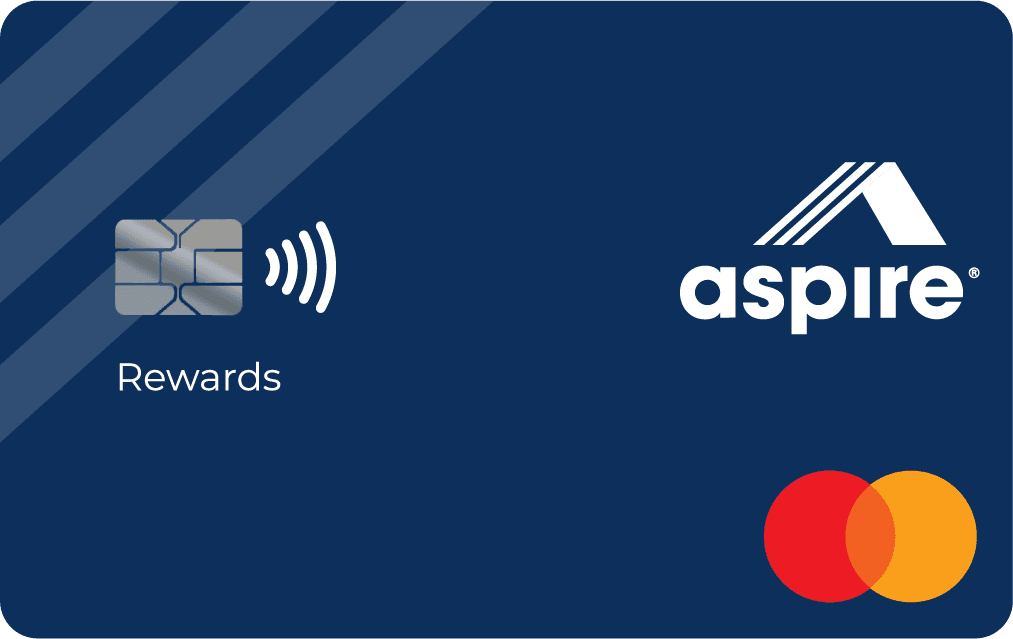
An unsecured starter card is another option worth considering when store cards feel too narrow. The Aspire Mastercard accepts fair-credit applicants, reports to all three bureaus, and works anywhere Mastercard is accepted, which gives it real flexibility over a closed-loop card tied to one retailer.
Aspire® Cash Back Rewards Mastercard
Aspire® Cash Back Rewards Mastercard
Aspire® Cash Back Rewards Mastercard. Prequalify* For Up To $1000 Credit Limit. No security deposit. Packed with great benefits, it’s designed to give you more flexibility—and purchasing power—along with up to 3% cash back rewards!** Good anywhere Mastercard is accepted, it’s the go-to card for any lifestyle.
Standout feature
Up to 3% cashback rewards**
Fees
$85–$175 first year, $229 thereafter (maintenance fees already included)
Pros
No Deposit Required. Prequalify* for up to $1000 credit limit
Cons
High APR, 36% Fixed.
If approval odds are still your main concern, the Perpay Credit Card is a different angle. It links to Perpay's installment-shopping platform, so payments come straight out of your paycheck and the card builds payment history with all three bureaus without traditional revolving APR risk.
Perpay Credit Card
Perpay Credit Card
Meet the only card powered by your paycheck. With automatic transfers from your paycheck, you can manage payments stress-free and build credit with ease.
Fee
$9/month plus $9 account opening fee
APR
Marketplace: 0% / Credit Card: 27.74% to 29.99% depending on your creditworthiness.
Minimum Deposit Amount
$0
Credit Check
No
Cashback
2% reward on purchases made in Perpay Marketplace
Benefit
2% rewards, no security deposit
Whichever card you choose, you want to see how each new account moves your score before applying for the next one. Creditship gives you a soft-pull VantageScore plus monitoring across all three bureaus, so you can confirm a store card is actually helping before you stack on another tradeline.
Creditship

Creditship
Get free credit monitoring and concrete advice how to improve your credit from Creditship AI.
Standout feature
AI Credit Coach. AI analyzes your credit report in depth and gives you tailored, actionable steps to raise your score.
Fees
Free
Pros
Free credit report access plus monitoring and alerts
Cons
No credit repair feature
These options give you a Visa or Mastercard you can use anywhere, not just one store. The trade-offs between secured and unsecured credit cards usually come down to deposit and approval odds.
How to use a store card to repair credit
Keep utilization below 30% of the credit limit, and ideally below 10%. If your limit is $500, that means staying below $50 per statement.
Pay the full balance every month. Store card APRs of 25% to 35% will eat any rewards you earn if you carry a balance even one cycle. For broader strategies on lifting your number, see how to improve your credit score.
Set autopay to the statement balance. Missing a payment on a high-APR card can hurt your score more than the same miss on a low-APR card, since penalty APRs sometimes climb to 36%.
Frequently Asked Questions
What credit score do I need for a store credit card?
Most store credit cards approve applicants with a FICO score of 580 or higher, broadly the same band where the best credit cards for fair credit become accessible. Some, like the Walmart Store Card and Kohl's Card, sometimes approve scores in the high 500s. Premium store cards (Nordstrom, Saks) require 670+.
Do store cards help build credit?
Yes, as long as the issuer reports to the major credit bureaus. Most national store cards from Synchrony, Comenity, Capital One, and TD Bank report to Equifax, Experian, and TransUnion. On-time payments and low utilization help your score, just like with any credit card.
Can I get a store card with a 580 credit score?
Yes, several store cards approve applicants in the high 500s. The Walmart Store Card, Amazon Store Card, and Kohl's Card all have a track record of approving 580-620 FICO scores. Pre-qualification with a soft pull is your safest first move.
Are store cards bad for my credit?
They are not inherently bad. A store card that you pay on time helps your score the same way any credit card would. The risk is the high APR, which makes carrying a balance much more expensive. Pay in full each month, and a store card is a useful credit-building tool.