Saving for retirement is one of those tasks that's easy to put off until next year. The tax code, however, rewards people who don't wait. A traditional IRA is one of the simplest ways to start saving and possibly lower your tax bill in the same move.
A traditional IRA, or individual retirement account, lets you set aside pre-tax money for retirement. Your investments grow without yearly taxes, and you usually pay income tax when you withdraw funds in retirement.
It's a popular option for workers without a strong employer plan, and for people who think they'll be in a lower tax bracket later. Here's how it works and how to decide if it fits your situation.
What a Traditional IRA Is
A traditional IRA is a personal retirement account you open at a brokerage, bank, or robo-advisor. You contribute money each year, choose investments inside the account, and let the balance grow over time. If you're comparing this with a standard taxable account, our brokerage vs retirement account guide explains the trade-offs.
The key feature is the tax treatment. If you qualify, contributions may be deductible on your federal tax return, which lowers your taxable income for that year. Inside the account, your investments grow tax-deferred. You won't owe taxes on dividends or capital gains until you withdraw.
The trade-off comes later. Withdrawals in retirement are taxed as ordinary income. So you're shifting the tax bill from today to the future, ideally when your rate is lower.
Robinhood

Robinhood
Robinhood is a trading platform that brings stocks, ETFs, options, futures, prediction markets, crypto, and retirement accounts together in one app.
Standout feature
One platform for stocks, ETFs, options, futures, prediction markets, and crypto
Fees
$0 commission on stocks, ETFs, and options.
Pros
Zero-commission trading on stocks, ETFs, and options
Cons
Best perks (high APY, lower margin rates) require Gold subscription ($5/month)
Contribution Limits and Eligibility
The IRS sets a yearly contribution limit. For 2026, the limit is $7,500 for people under 50, with an extra $1,000 catch-up contribution allowed for anyone 50 or older (as of May 2026). These numbers tend to rise over time, and the latest Roth IRA contribution rules mirror the same caps if you decide to split between account types.
You need earned income, like wages or self-employment pay, to contribute. You can fund a spouse's IRA from joint earned income, which helps couples where one partner doesn't work outside the home.
The deduction for contributions can phase out if you, or your spouse, are covered by a workplace retirement plan and your income passes certain thresholds. Even when the deduction goes away, you can still contribute, though you may want to compare it with a Robinhood Roth IRA at that point.
How Withdrawals Work
The IRS expects you to leave money in until at least age 59 and a half. Early withdrawals usually get hit with a 10 percent penalty plus regular income tax. A few exceptions exist, like first-home purchases up to a limit, qualified higher-education expenses, and certain medical costs.
Once you reach the required age, currently 73 for most people, you must start taking required minimum distributions, often called RMDs. The IRS calculates these based on your account balance and life expectancy.
Missing an RMD can trigger a stiff penalty, so it's worth setting reminders or signing up for automatic distributions through your brokerage. Most providers handle the math for you.
Traditional IRA vs. Roth IRA
The most common comparison is to a Roth IRA. Both have the same yearly contribution limit, but the tax timing is reversed.
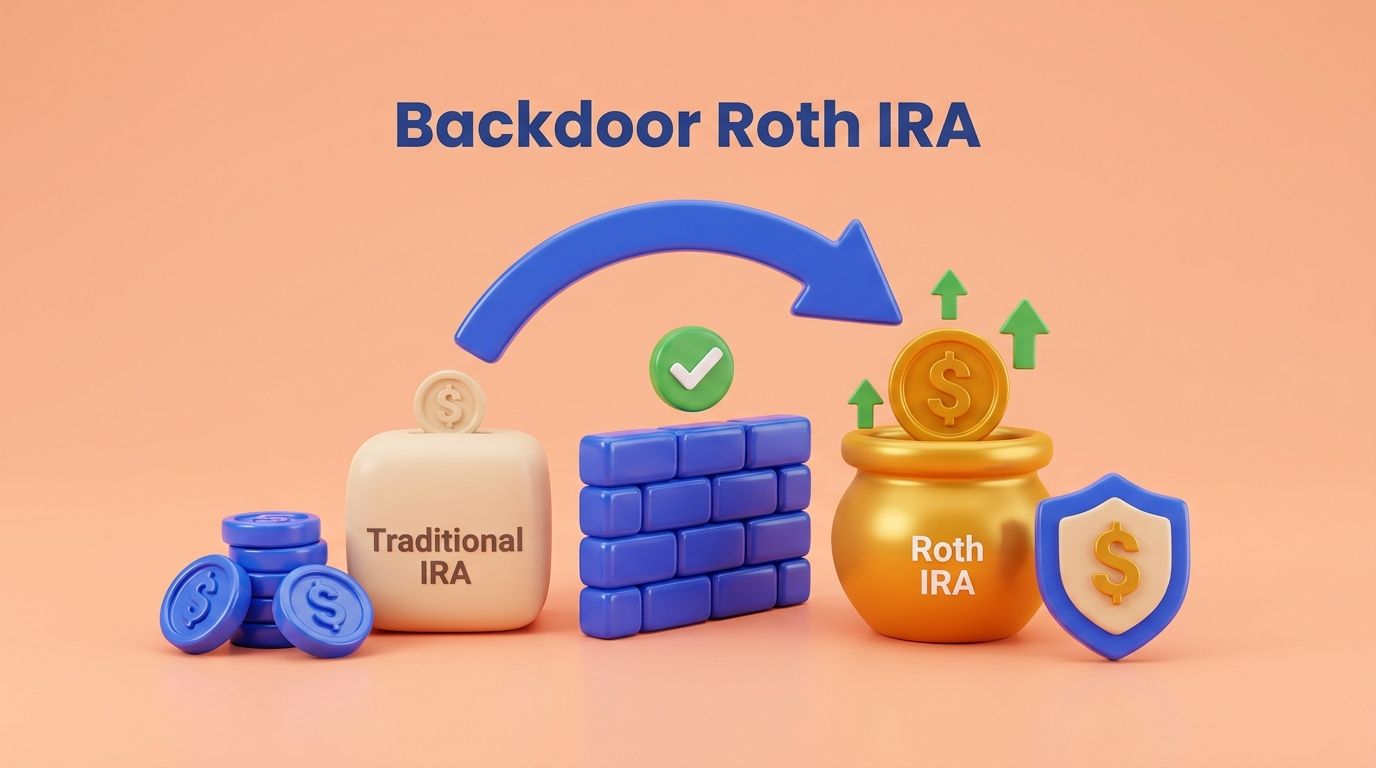
A traditional IRA gives you a potential deduction now, with taxes due on withdrawals later. A Roth IRA uses after-tax dollars, so contributions don't lower your taxable income today. In exchange, qualified withdrawals in retirement are tax-free.
Which one wins depends on your tax bracket now versus your expected bracket later. If you expect higher taxes in retirement, a Roth often makes more sense. If you expect lower taxes later, a traditional IRA may come out ahead. Some people split contributions between the two to hedge against uncertainty.
Where to Open a Traditional IRA
Most major brokerages offer traditional IRAs with no setup fee. Mobile-first options like a Robinhood IRA include IRA contribution matching alongside their regular brokerage accounts, while Public also covers IRAs. Larger firms like Fidelity, Vanguard, and Schwab offer them too, often with broad fund selections.
When comparing providers, look at the investment menu, trading fees, and account minimums. A wide range of index funds and ETFs keeps your options open. Also check whether the brokerage charges to close or transfer the account, since you may want to move it down the road.
Setting up automatic monthly contributions is one of the easiest ways to stay on track. Even small amounts compound over decades.
How a Traditional IRA Fits a Bigger Plan
A retirement account works best alongside other healthy financial habits. Paying down high-interest debt, building an emergency fund, and using credit wisely help keep your retirement savings from being tapped early. It's also worth understanding how retirement accounts and credit interact when lenders weigh your application.
Firstcard's credit builder card can help users build credit history while keeping monthly costs predictable. Strong credit doesn't directly affect your IRA, but it can lower borrowing costs elsewhere, which leaves more room to save for retirement. Pairing it with free credit monitoring makes credit tracking easier.
A traditional IRA isn't the only path to retirement, and it's not the right fit for everyone. Talking with a tax professional can help you weigh the deduction, the future taxes, and other accounts you may already have.
Frequently Asked Questions
Can I contribute to a traditional IRA and a 401(k) in the same year?
Yes, you can contribute to both. However, having a workplace plan may reduce or eliminate your IRA deduction depending on income. You can still make non-deductible contributions in that case, though you'll want to track the basis carefully.
What happens to my IRA when I change jobs?
Your traditional IRA stays with you, since it's not tied to an employer. You may also roll an old 401(k) into the IRA if you want to consolidate accounts. A direct rollover usually avoids taxes and penalties.
Are there income limits for traditional IRA contributions?
There's no income limit for making contributions. There are income thresholds that affect whether your contribution is deductible if you or your spouse has a workplace retirement plan. The IRS updates these limits each year.
Can I withdraw from a traditional IRA in an emergency?
You can, but early withdrawals before age 59 and a half usually trigger income tax and a 10 percent penalty. A few exceptions exist for medical bills, education, and first-home purchases. Tapping retirement money should generally be a last resort.