Firstcard
Get Started
Menu

What Is a Prepaid Card and How Does It Work in 2026?

May 8, 2026

A prepaid card looks like a credit card and swipes like a credit card, but it works nothing like one. Prepaid cards are loaded with money up front — either a one-time amount or topped up on a schedule — and you can only spend what is on the card. There is no monthly bill, no minimum payment, and no credit check at signup. For people who want the convenience of plastic without the risk of debt, a prepaid card can be a useful tool. But there are real trade-offs, and the biggest one is that a prepaid card will not build credit history. Here is what you need to know.

How a prepaid card actually works

A prepaid card is a stored-value card branded by Visa, Mastercard, American Express, or Discover. Funds are loaded onto it through one of several methods: at a retail kiosk, by direct deposit from your employer, by transferring from a bank account, by depositing a check through the card's app, or by reload at a partner location like a Walgreens or a 7-Eleven.

When you swipe at checkout, the card network checks the balance on the card. If you have enough, the transaction is authorized; if not, the card is declined. The balance updates in close to real time. There is no "credit limit" because there is no credit — the limit is whatever you have loaded.

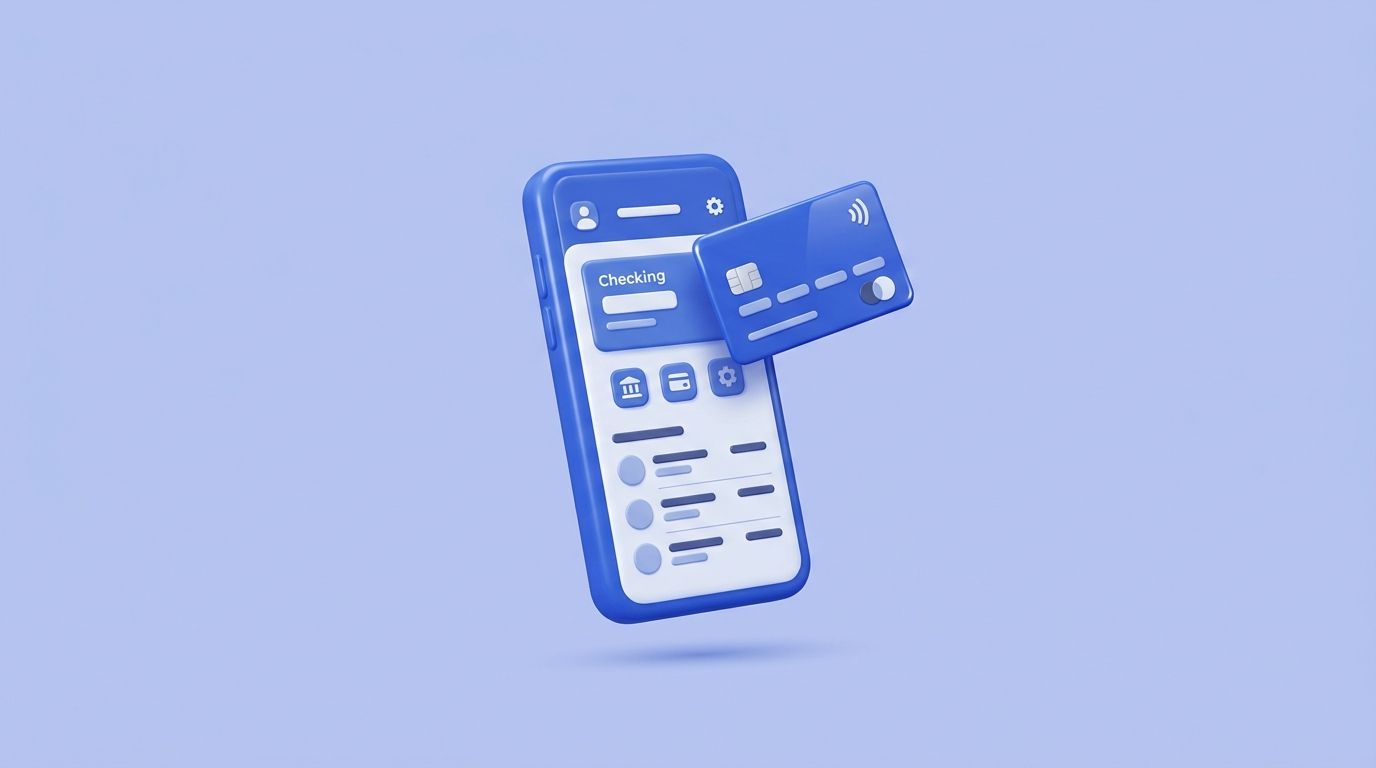
Most prepaid cards in 2026 are paired with a free mobile app where you can see your balance, set up direct deposit, freeze the card, and get a virtual card number for online use. Some include FDIC insurance up to $250,000 if the funds are held at a partner bank.

Prepaid card vs. debit card vs. credit card

These three card types share the same plastic form factor but operate on different rails.

A debit card is tied to a checking account at a specific bank. It draws from the same pool that pays your bills, and the bank can charge overdraft fees if you spend more than the balance.

A credit card is a revolving line of credit. The issuer fronts the money, you spend, and you owe a balance at month's end — with interest if you carry it. Credit cards report payment history to the three credit bureaus and are the most common way to build credit.

A prepaid card is neither. It is not tied to a checking account in the traditional sense (though some "prepaid debit" hybrids blur this line), it does not extend credit, and it does not report to the bureaus. The funds belong to you the moment you load them.

The practical difference for most people: a prepaid card can decline at the pump or the grocery store, but it cannot leave you in debt or trigger an overdraft fee.

Common types of prepaid cards

Several flavors of prepaid card show up in the market.

Open-loop prepaid cards carry a Visa, Mastercard, Amex, or Discover logo and work anywhere those networks are accepted. These are the closest substitute for a credit or debit card and are what most people mean when they say "prepaid card."

Closed-loop prepaid cards are gift cards usable only at one merchant or merchant family (Starbucks, Amazon, a specific mall). Useful for gifts but not as a general spending tool.

Payroll cards are issued by employers to deliver wages to workers without a traditional bank account. The wages go onto the card; the worker withdraws cash or spends the balance. Payroll cards are regulated by the Consumer Financial Protection Bureau and must allow free withdrawal of the full balance at least once per pay period.

Government benefit cards deliver Social Security, unemployment, or state benefit payments. The Treasury Department's Direct Express card is the largest of these.

Reloadable general-purpose prepaid cards, like NetSpend, Bluebird, and the Walmart MoneyCard, are sold at retail and reloaded with cash or direct deposit. These are the most common consumer prepaid product.

What prepaid cards cost

The big trade-off with prepaid cards is fees, and the fee structures vary widely. Common charges include:

  • Activation fee of $3 to $10 at purchase.
  • Monthly maintenance fee of $0 to $10, sometimes waivable with direct deposit.
  • Reload fees at retail of $3 to $5 per reload.
  • ATM withdrawal fees of $1.50 to $3.00 plus the ATM operator's fee.
  • Inactivity fees that kick in if you do not use the card for a stretch.
  • Customer-service call fees at some legacy issuers.

The federal Prepaid Rule (effective 2019) requires issuers to disclose all fees in a standardized short-form box, similar to a nutrition label, on the packaging and online before you sign up. Read it before you buy.

Why prepaid cards do not build credit

This is the single most important thing to understand. Prepaid cards do not extend credit, so there is no payment history to report. The major bureaus — Experian, Equifax, and TransUnion — only track activity on credit accounts, not on stored-value products.

If credit-building is a goal, the alternative is a credit-builder card or secured card. Products like the Self Visa® Credit Card or the OpenSky Secured Visa are designed for people with limited or damaged credit and report monthly to all three bureaus. The functional experience is similar to a prepaid card — you put money down, you spend, you pay your balance — but the activity actually shows up on your credit report.

For people whose primary problem is access to plastic rather than credit-building, a prepaid card remains a perfectly reasonable choice. Knowing the trade-off up front is what matters.

Best for: Everyday credit building

Self Visa® Credit Card

Self Visa® Credit Card
5Firstcard rating

Start the path to financial freedom.

Fee

$25 (Intro annual fee for new customers (first year): $0)

APR

27.49%

Minimum Deposit Amount

$100

Credit Check

No

Cashback

N/A

Benefit

High approval rates

Frequently Asked Questions

Can I use a prepaid card to pay rent or a bill online?

In most cases yes, as long as the card is open-loop (Visa, Mastercard, Amex, or Discover branded) and the merchant accepts that network. Some recurring billers and rental platforms reject prepaid cards because they cannot be charged repeatedly if the balance runs low; check the merchant's policy before relying on it.

Are prepaid cards safe?

Funds on a major-network prepaid card are protected against unauthorized use under the Prepaid Rule, which applies the same fraud protections to prepaid as to debit cards. If your card is lost or stolen, report it within two business days to limit your liability to $50; report later and the cap rises. Most reloadable cards also place funds in an FDIC-insured pooled account, so if the issuer fails, your balance is protected up to $250,000.

How is a prepaid card different from a digital wallet?

A digital wallet (Apple Pay, Google Pay, Samsung Wallet) is a way to carry an existing card on your phone. A prepaid card is a separate financial product with its own balance. You can add a prepaid card to a digital wallet and use them together — the wallet just becomes another way to swipe.

Is there a downside to using a prepaid card long-term?

The two main downsides are fees and the lack of credit-building. If you are paying $5 to $10 a month in maintenance fees on a prepaid card, that is $60 to $120 a year that could otherwise sit in a savings account or fund a credit-builder loan. And every month you spend on a prepaid card is a month you are not building the credit history that will eventually matter for renting, financing a car, or qualifying for a mortgage.

Related Reading


Firstcard Educational Content Team

Firstcard Educational Content Team - May 8, 2026

Credit building
for all

Build credit early, earn cashback, grow your savings all in one place.
Credit building for all