
If you've heard the term "subprime" in the context of credit, you might be wondering what it means for you. A subprime credit score simply refers to a score that falls below the threshold most lenders consider "prime" or "good." It doesn't mean you can't get credit — but it does affect your options and costs.
Here's what you need to know about subprime scores, how they affect your financial life, and what you can do to improve yours. (For a deep walkthrough of the levers that move your score, see our guide on how to build credit without going into debt.)
What Score Range Is Considered Subprime?
Credit scores range from 300 to 850 on the FICO scale. While different lenders use slightly different cutoffs, the general categories look like this:
If your FICO score falls below 670, most lenders will classify you as a subprime borrower. This doesn't mean you're a bad person or even bad with money — it just means your credit history has some factors that make lenders see you as a higher risk. Lenders, banks, and apartment screeners often lump everyone in the fair and poor tiers together under the broader umbrella of lower-credit borrowers — our explainer on what is lower credit and how to recover from a subprime score walks through how each tier translates into approval odds and the recovery levers that work fastest.
VantageScore uses a similar range but has slightly different category names. The key number is roughly the same: below the mid-600s is generally considered subprime. For a closer look at how the two models differ and which one your bank app actually shows you, see our VantageScore 3.0 explainer.
How a Subprime Score Affects You
Having a subprime credit score impacts your financial options in several practical ways:
Higher interest rates. This is the biggest impact. Lenders charge higher interest rates to borrowers they see as riskier. On a credit card, this could mean an APR of 25% or more instead of 15%. On a car loan, the difference could be thousands of dollars over the life of the loan.
Fewer product options. Many of the best credit cards, personal loans, and mortgage products require good or excellent credit. With a subprime score, you'll be limited to products specifically designed for fair or poor credit.
Higher deposits and fees. Some landlords, utility companies, and phone carriers require higher deposits from people with lower credit scores. You might also face higher insurance premiums in states where credit-based insurance scoring is allowed.
Potential difficulties with housing and employment. Some landlords and employers check credit reports as part of their screening process. A subprime score could make it harder to rent an apartment or land certain jobs, though an employer can't see your actual score — only your report.
Why Your Score Might Be Subprime
Several factors can push your score into subprime territory. The most common ones include late or missed payments (even one 30-day late payment can drop your score significantly), high credit card balances relative to your limits, a short credit history (common for young adults and newcomers to the U.S.), too many recent hard inquiries from credit applications, collections, charge-offs, or other negative marks on your report, and having very few credit accounts.
Life events can also push a previously prime borrower into subprime fast. A job loss is one of the most common triggers — our guide on protecting your credit score after a job loss covers the missed-payment and high-utilization risks specifically.
Often, it's a combination of several factors rather than just one.
How to Move From Subprime to Prime
The distance from subprime to prime isn't as far as it might seem. A score of 580 only needs to improve by about 90 points to cross the 670 threshold. Here's how to get there:
Make every payment on time. Payment history is the most important factor in your score. Set up autopay and make sure nothing falls through the cracks. Even six months of consistent on-time payments can make a visible difference.
Lower your credit utilization. Try to keep your credit card balances below 30% of your limits — and below 10% if possible. Pay down existing balances and consider making payments before your statement closing date so a lower balance gets reported.
Don't open too many new accounts. Each application creates a hard inquiry that can lower your score. Be strategic about when and where you apply.
Dispute errors on your report. Pull your free credit reports and check for inaccuracies. If you find incorrect late payments, wrong balances, or accounts that aren't yours, dispute them with the credit bureaus.
Add positive data. Consider a secured credit card, credit builder loan, or rent-reporting service to add positive account activity to your report. More positive data helps offset the negative items.
Products Designed for Subprime Borrowers
While your options are more limited with a subprime score, they're not zero. These credit builder products are specifically designed for people building or rebuilding credit:
Current Build Card
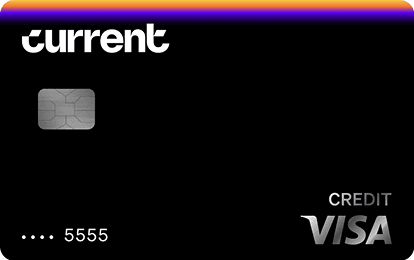
Current Build Card
$0 annual fee. No minimum deposit required. No credit check required. 1 point per dollar on eligible categories. Reports to Experian, TransUnion, Equifax.
Fee
$0
APR
0%
Minimum Deposit Amount
$0
Credit Check
No
Cashback
1 point/dollar on eligible categories (with qualifying payroll deposit)
Benefit
No credit check, no deposit minimum



These products aren't as flashy as premium credit cards, but they do the job: they help you build a positive credit history so you can qualify for better products in the future.
Be patient. Credit improvement takes time. Most people can move from subprime to prime within 12 to 24 months of consistent good habits, depending on what's in their report.
Frequently Asked Questions
What is considered a subprime credit score?
Any FICO score below 670 is generally considered subprime. Scores from 580 to 669 are "fair" and scores from 300 to 579 are "poor" or "deep subprime."
Can I get a loan with a subprime credit score?
Yes, but your options are more limited. You may qualify for secured credit cards, credit builder loans, or subprime personal loans — though these typically come with higher interest rates.
How long does it take to go from subprime to prime credit?
Most people can move from subprime to prime within 12 to 24 months of consistent on-time payments and low credit utilization.
Does a subprime score mean I'll always pay high interest rates?
No. As your score improves, you can refinance loans or apply for better products with lower rates. A subprime score is a temporary situation, not a permanent label.
What's the fastest way to improve a subprime credit score?
Focus on the biggest factors: make every payment on time and reduce your credit card balances. These two actions can raise your score significantly within a few months.
The Bottom Line
A subprime credit score creates some extra hurdles, but it's a temporary situation — not a permanent label. By understanding what's holding your score back and taking consistent action to improve it, you can move into prime territory and unlock better financial options.
Learn more about building your credit with Firstcard. You can check your credit score for free or visit AnnualCreditReport.com to pull your free credit reports.




