There's no magic trick to building credit, but there are proven tips for credit building that make a massive difference.
Two people can earn the same income, spend the same amount, and save the same money. If one understands how to improve their credit and the other doesn't, the difference in their credit score can easily be 100+ points.
In this guide, we'll walk through 7 practical, proven tips for credit building that actually work, especially if you're starting with bad credit or no credit.
Related: Learn about what happens when you miss a credit card payment and how to avoid credit damage.
Tip #1: Pay every bill on time (Payment history = 35%)
This is the most common advice, but also the most important.
Payment history accounts for about 35% of your credit score, making it the single biggest factor in how lenders evaluate you. Just one missed payment can drop your score 50 to 100 points, especially if your credit file is thin.
The easiest way to protect yourself is simple: Set up auto pay for the full statement balance (many apps make this harder than it should be). Don't rely on memory to pay your bills. If you're unsure how to enable auto pay, literally ask AI such as ChatGPT or Gemini: "How do I set up auto pay for [credit card name]?"
Late payments stay on your credit report for up to seven years, so prevention matters more than recovery. This alone is one of the most powerful ways to improve your credit.
Tip #2: Pay your credit card balance early and often
This is one of the most underrated tips for credit building, and it's incredibly effective.
Many people think paying on time is enough. It's not.
Credit utilization, the second most important factor, makes up 30% of your credit score. It's calculated like this: Balance reported on statement date / total credit limit.
Example: $1,000 credit limit, $300 balance on statement date = 30% utilization. Lower is better.
Pro tip: If you pay your card down to $0 before the statement closes, your utilization is reported as 0%, which is ideal.
Best practice: Pay every time you spend, or pay at least once per week. This single habit can dramatically improve your credit score without spending less money.
Tip #3: Use a secured credit card if you can't get approved for an unsecured card
A credit card is the most common tool for building credit, but over 60 million people in the U.S. can't qualify for an unsecured card.
If that's you, a secured credit card is often the best first step. How secured cards work: You put down a refundable deposit (usually $200 to $500), your deposit becomes your credit limit, and the card reports to the credit bureaus just like a regular card.
Yes, secured cards usually have higher APRs, lower limits, and fewer rewards. But they work.
To help you choose the right option, we've compared features, fees, and approval requirements. Check out the best secured credit cards for credit building in 2026 to find one that fits your budget and credit goals.
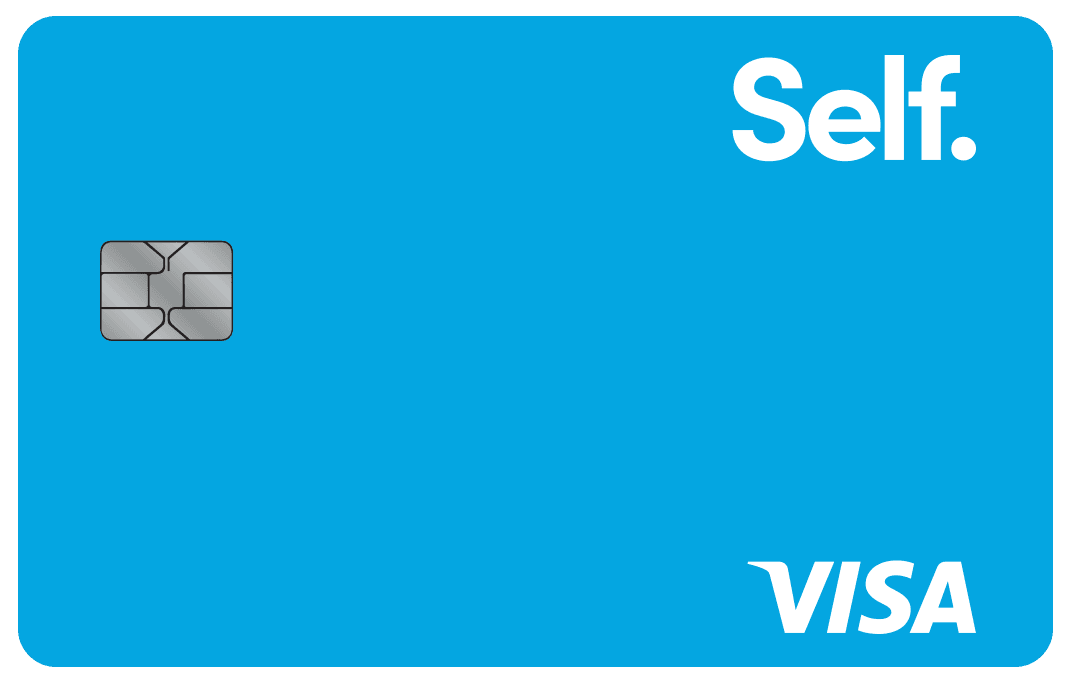
A popular pick for beginners: the Self Visa Credit Card. Over 1 million cardholders, $0 intro annual fee in year one, and it reports to all three bureaus.
If you would rather skip the deposit, the Current Build Card is another beginner-friendly option. It has no annual fee, no credit check, and no minimum deposit, which makes it easy to start building history from everyday spending while you keep utilization low.
Current Build Card
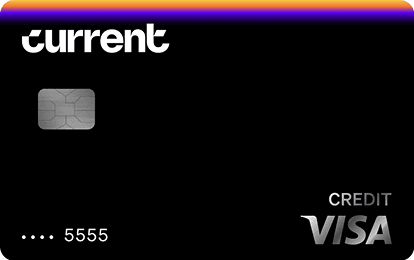
Current Build Card
$0 annual fee. No minimum deposit required. No credit check required. 1 point per dollar on eligible categories. Reports to Experian, TransUnion, Equifax.
Fee
$0
APR
0%
Minimum Deposit Amount
$0
Credit Check
No
Cashback
1 point/dollar on eligible categories (with qualifying payroll deposit)
Benefit
No credit check, no deposit minimum
Tip #4: Consider a credit builder loan
If you've been denied by traditional lenders, a credit builder loan can still help you build credit without a strong credit history.
Unlike traditional loans, credit builder loans don't give you money upfront. Instead, the loan amount is placed into a locked savings account while you make fixed monthly payments. Once the loan is paid off, you receive the money. Throughout the process, your on-time payments are reported to the credit bureaus, helping you build payment history.
This makes credit builder loans a lower-risk option for people with no credit or bad credit who want to improve their credit score over time.
To help you compare options, we've reviewed features, fees, terms, and APR across providers. Check out the best credit builder loans to find one that fits your credit goals and budget.
One popular option is CreditStrong, which offers credit builder loans designed specifically for people who are new to credit or rebuilding after past issues.
Tip #5: Check your credit reports for errors
Credit report errors are shockingly common, and they can quietly destroy your score. Common mistakes include incorrect balances, duplicate accounts, accounts that don't belong to you, and old negative items that should have fallen off.
You're entitled to free credit reports from all three bureaus: Experian, Equifax, and TransUnion. You can get them at AnnualCreditReport.com.
If you don't have the time or confidence to dispute credit report errors on your own, credit repair companies can help. These companies review your credit reports and dispute inaccurate or unverifiable items on your behalf with the credit bureaus.
Credit repair services typically charge a monthly fee of around $100 to $150. We've reviewed and compared multiple options, so you can explore the best credit repair companies and decide whether using a professional service makes sense for your situation.
Tip #6: Ask for credit limit increases
Remember: credit utilization is 30% of your score. If your spending stays the same but your credit limit increases, your utilization automatically goes down.
Most issuers let you request a credit limit increase: in the app, by phone, or by email. It's usually free.
Important: Some issuers do a hard credit pull, others only do a soft pull. Always check before requesting.
This is one of the easiest, fastest ways to improve your credit score without changing behavior.
Tip #7: Don't close old credit cards
Length of credit history makes up about 15% of your credit score.
Closing old cards can shorten your average account age, reduce total available credit, and increase utilization instantly.
Unless a card has a high annual fee, keeping it open usually helps your credit in the long run.
If you are looking for a no-fee card you can keep open for years, the Chime Card is worth a look. It is a secured credit-builder card with no annual fee that reports your activity to the bureaus, so responsible use can help your score over time and the account keeps adding to your length of history. See the Chime Card for details.
Chime Card™
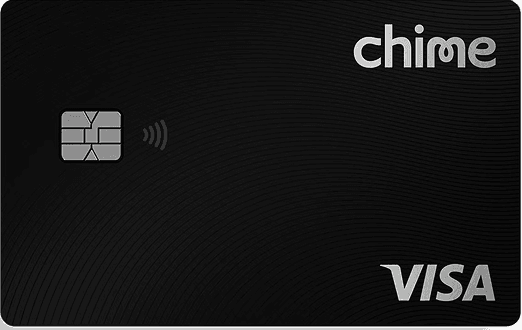
Chime Card™
Chime Card™ is Chime's secured credit card and has the reliable Chime credit-building features plus 5% cash back rewards on category of choice (with qualifying direct deposit) and access to cash at ATMs.¹
Fee
$0
APR
No interest
Minimum Deposit Amount
$0
Credit Check
No
Cashback
5% cash back rewards on category of choice (with qualifying direct deposit)
Benefit
Overdraft up to $200 without fees for eligible members.
Conclusion: Credit Building Is a Long Game
We've helped tens of thousands of people learn how to improve their credit using the strategies above. Credit building is a long journey. No one goes from 500 to 800 overnight.
The good news? You're learning. That alone puts you ahead of millions of people.
Stay patient. Keep applying these tips for credit building consistently, and your credit score will follow.