Looking for the best secured credit card in 2026? If you're searching for the best secured credit card, you're likely looking for a high approval rate, no credit check, and a fast way to build your credit score.
A secured credit card can help you build credit, but not all secured credit cards work the same way. Some secured cards require a refundable security deposit. Others let you use your own money with no locked deposit. Some secured credit cards offer rewards, while others charge monthly or annual fees.
In this guide, we handpicked the 10 best secured credit cards for 2026 and compared their fees, required deposits, APRs, credit check requirements, and who each secured credit card is best for.
What Is a Secured Credit Card?
A secured credit card is a credit card that uses money you provide as "security" for the account. In many cases, that money becomes a refundable security deposit, and the deposit amount sets your credit limit.
Some modern "secured credit builder" cards work differently. They may not lock a deposit at all. Instead, the amount you add to the account becomes the amount you can spend, and you can withdraw unspent funds. Several newer credit builder cards use this approach, and some have no minimum deposit requirement.
How Can a Secured Credit Card Help Me Build Credit?
If you have no credit or a low credit score, you may have trouble getting approved for a regular, unsecured credit card. A secured credit card is designed to solve this problem.
A secured credit card does not rely on your credit score alone. Instead, the card is backed by your own money, either through a refundable security deposit or a linked account balance. When you make on-time payments and keep your balance low, your secured credit card helps establish positive payment history on your credit report.
For people who have been denied a regular credit card, a secured credit card offers a realistic path forward.
How to Pick the Best Secured Credit Card
Choosing the best secured credit card depends on more than just the deposit. When comparing a secured credit card, focus on these key factors:
- Total cost of the secured credit card. Do not look at the annual fee alone. Some secured credit cards charge monthly membership fees, subscription fees, or other hidden costs.
- Secured credit card deposit rules. Check the minimum deposit required and whether the deposit stays locked.
- APR and interest rates. If you plan to carry a balance, the APR matters. A high APR can become expensive over time.
- Credit check requirements. Many people choose a secured credit card to avoid a hard credit pull.
- Rewards and perks. Some secured credit cards offer cash back or other perks.
How to Apply for a Secured Credit Card
- Pick a card.
- Apply online and go through KYC (Know Your Customer) process.
- Subscribe to a plan or pay an annual fee (if required).
- Fund the deposit (if required).
- Activate the card.
- Set up autopay.
Pros and Cons of Secured Credit Cards
Pros
- Higher approval odds than many unsecured cards, since the issuer has collateral or a controlled spend model.
- Can help establish positive payment history when the issuer reports to bureaus.
- Can limit overspend risk when your limit equals your deposit.
Cons
- Many require upfront cash for a deposit, often $200 or more (varies by issuer).
- Fees can add up (annual fees or monthly memberships).
- Some secured cards have high APRs, so carrying a balance can get expensive fast.
Our Picks: The 10 Best Secured Credit Cards (2026)
Below are 10 options that people often consider for the best secured credit card in 2026. Each pick includes what makes it stand out, pros and cons, and who it fits best.
1) Self
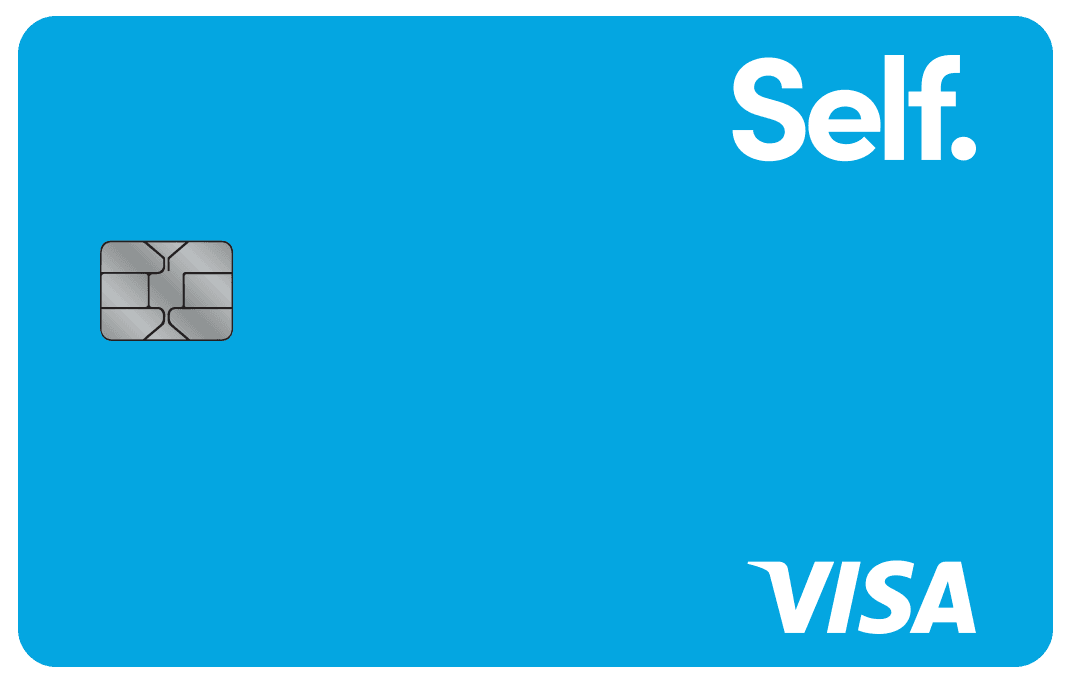
Why we picked it: We like Self because it offers a comprehensive credit-building ecosystem beyond just a secured credit card. With rent and utility reporting plus a credit-builder loan on top of the secured credit card, Self helps you build a stronger credit mix. Read our full Self Credit Builder Card review for more detail.
Pros: Low minimum deposit ($100), no credit checks, reports to three credit bureaus, offers other credit-building products.
Cons: High APR (27.74% as of October 2026), no rewards, annual fee after year one ($25).
Best for: People who prefer a comprehensive suite of credit-building products, can pay in full each month, and feel fine with an annual fee later.
2) Kikoff Credit Account
Kikoff no longer offers its secured card, but the Kikoff Credit Account is still available and builds credit without a card.
Why we picked it: There is no deposit and no credit check. As of November 2026, plans cost $5, $20, or $35 per month, charge 0% interest, and Kikoff reports a $750 to $3,500 tradeline to all three bureaus every month. You do not get the money back at the end. Check out our detailed Kikoff review for a closer look.
Pros: No credit check, no interest, no deposit, reports to three credit bureaus, plans from $5 per month.
Cons: No cashback, no card for everyday spending, payments are not returned at the end.
Best for: People who want a low-cost reported credit line with no deposit and no interest, and do not need a physical card.
Kikoff Credit Account

Kikoff Credit Account
Everything you need to build your credit, right in one app. Build credit, lower debt, and unlock progress with tools that actually work.
Standout feature
An avg increase of +86 points within a year with on-time payments
Fees
$5/month for Basic plan, $20/mo for Premium plan $35/mo for Ultimate plan
Pros
Helps both payment history and credit utilization, the two factors that move scores most
Cons
Monthly fee continues for as long as you keep the account open
3) Current Build Card
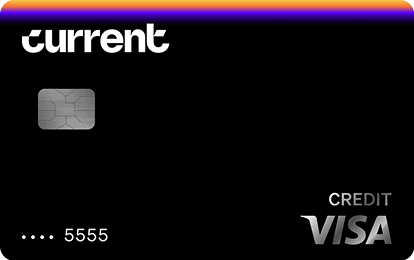
Why we picked it: The Current Build Card is one of the most accessible credit builder cards available. As of November 2026, it charges $0 in annual fees and 0% APR, requires no minimum deposit, and performs no credit check. It reports to all three bureaus and can earn Current Points in categories you choose once you get a $200+ payroll deposit or pay for Current Max. If total cost is your biggest concern, Current is hard to beat.
Pros: $0 annual fee, 0% APR, no minimum deposit, no credit check, reports to Experian, TransUnion, and Equifax, points in categories you choose (with a qualifying payroll deposit or Current Max).
Cons: Requires a Current account, and it is a newer brand with less track record than established issuers.
Best for: People who want the absolute lowest-cost entry point into credit building with no fees whatsoever.
Current Build Card
Current Build Card
$0 annual fee. No minimum deposit required. No credit check required. 1 point per dollar on eligible categories. Reports to Experian, TransUnion, Equifax.
Fee
$0
APR
0%
Minimum Deposit Amount
$0
Credit Check
No
Cashback
1 point/dollar on eligible categories (with qualifying payroll deposit)
Benefit
No credit check, no deposit minimum
4) OpenSky
Why we picked it: OpenSky is designed for people who want to build or rebuild credit without a credit check. Approval is based on a refundable security deposit. As of November 2026, the OpenSky Secured Visa requires a $200 minimum deposit and charges a $35 annual fee, while the OpenSky Plus requires $300 and has no annual fee. According to OpenSky, users see an average credit score increase of about 50 points within six months. Read our OpenSky credit card review for a full breakdown.
Pros: No credit check, minimum deposit $200 (Secured Visa) or $300 (Plus), rewards up to 10% (program-based).
Cons: $35 annual fee on the Secured Visa ($0 on Plus), high variable APR (24.14% on the Secured Visa, 28.49% on Plus).
Best for: People who value no credit check, low annual fee, and earning cashback while building credit.
5) Chime®
Why we picked it: The secured Chime Visa® Credit Card¹ has no credit check to apply and no interest², which makes it a good fit for people with poor credit or limited credit history who want to build credit³. Cardholders can earn 5% cash back with Chime Prime™ or 2% with Chime Plus™ on a category of choice each month (with qualifying direct deposits)⁴. Members can also use their Chime Card™ to access up to $200 in fee-free SpotMe® coverage⁵.
Pros: No annual or late fees, no credit check to apply, no interest, no minimum balance requirements, fee-free in-network ATM network⁶, 5% cash back with Chime Prime or 2% with Chime Plus on a category of choice each month (with qualifying direct deposits).
Cons: A Chime® Checking Account is required to apply, and cash back and SpotMe® need qualifying direct deposits. Out-of-network ATM fees may apply.
Best for: People who want to build credit while earning cash back and want a trusted big fintech brand.
Chime disclosures
¹ Chime is a financial technology company, not a bank. Banking services provided by The Bancorp Bank, N.A. or Stride Bank, N.A., Members FDIC. The secured Chime Visa® Credit Card is issued by The Bancorp Bank, N.A. or Stride Bank, N.A. pursuant to a license from Visa U.S.A. Inc. and may be used everywhere Visa credit cards are accepted. Please see the back of your Card for its issuing bank.
² No interest, no credit check. Out-of-network ATM withdrawal and OTC advance fees may apply. View The Bancorp agreement or Stride agreement for details; see back of card for issuer.
³ On-time payment history can have a positive impact on your credit score. Late payment may negatively impact your credit score. Chime will report your activities to Transunion®, Experian®, and Equifax®. Impact on your credit may vary, as Credit scores are independently determined by credit bureaus based on a number of factors including the financial decisions you make with other financial services organizations.
⁴ With qualifying direct deposits, earn 5% cash back as a Chime Prime member or 2% cash back as a Chime Plus member on up to $1,500 of eligible secured Chime Visa® Credit Card purchases. See the Secured Chime Visa® Credit Card - Cash Rewards Program Addendum for limitations and details on earning cash back on your monthly selected category.
⁵ SpotMe® on Credit is an optional, no interest / no fee overdraft line of credit tied to the Secured Deposit Account available to qualifying members with an active Chime Card Account. To qualify for the SpotMe on Chime Card service, you must receive $200 or more in qualifying direct deposits to your Chime® Checking Account each month and have activated your physical secured Chime Visa® Credit Card or Chime Visa® Debit Card. Qualifying members will be allowed to overdraw their Secured Deposit Account up to $20, but may later be eligible for a higher limit of up to $200 or more based on Chime account history, direct deposit frequency and amount, spending activity and other risk-based factors. The SpotMe on Chime Card Limit will be displayed within the Chime mobile app and is subject to change at any time, at Chime's or its banking partners' discretion. Although Chime does not charge any overdraft fees for SpotMe on Chime Card, there may be out-of-network or third-party fees associated with ATM transactions and fees associated with OTC cash withdrawals. SpotMe on Chime Card won't cover non-card transactions. SpotMe on Chime Card Terms and Conditions.
⁶ Out-of-network ATM withdrawal and over the counter advance fees may apply except at FCTI® ATMs in a 7-Eleven® or Speedway, or any Allpoint® or Visa® Plus Alliance ATM participating in the Allpoint network.
6) Discover it® Secured Credit Card
Why we picked it: Discover it® Secured is one of the best secured credit cards because it helps users build credit while earning real rewards. It reviews accounts after about seven months to see if you qualify for an unsecured card.
Pros: No annual fee, trusted brand, generous cash back rewards.
Cons: Hard inquiry, deposit required (starts at $200).
Best for: People who value earning cash back rewards while building credit with a trusted brand.
7) Bank of America
Why we picked it: With no annual fee and access to Bank of America's full digital banking tools, the Bank of America secured credit card is an ideal choice for people who want stability and a big bank behind them.
Pros: No annual fee, up to $5,000 deposit (larger credit limit), big trusted bank.
Cons: High APR (27.74% variable as of October 2026), hard inquiry, no cash back.
Best for: People who prefer a large bank and want the option to set a higher secured limit.
8) Capital One Platinum Secured
Why we picked it: The Capital One Platinum Secured Credit Card offers a simple, trusted way to build or rebuild credit with a major bank and no annual fee.
Pros: Flexible low deposit (choose between $49, $99, or $200), big bank.
Cons: High APR (29.24% variable as of October 2026), hard inquiry when you apply, no cash back.
Best for: Someone who wants a traditional issuer and hopes for a lower deposit requirement.
9) First Progress (Platinum Select Secured)
Why we picked it: The First Progress Secured Credit Card makes building or rebuilding credit simple and accessible. It reports to all three major credit bureaus and offers 1% cashback.
Pros: 1% cash back, no credit checks.
Cons: Annual fee ($39), lower APR relative to many secured cards (17.49%).
Best for: Someone who might carry a small balance and wants a lower APR, while still getting some cash back rewards.
10) Capital One Quicksilver Secured
Why we picked it: As of November 2026, the Capital One Quicksilver Secured Cash Rewards Credit Card has a $0 annual fee and earns unlimited 1.5% cash back on every purchase, which is rare for a secured card. It needs a $200 minimum refundable deposit, reports to the three major credit bureaus, and charges no foreign transaction fees. Per Capital One, responsible use could earn your deposit back and an upgrade to the unsecured Quicksilver card.
Pros: $0 annual fee, unlimited 1.5% cash back, no foreign transaction fees, reports to three credit bureaus, path to an unsecured card.
Cons: High APR (29.24% variable as of November 2026), $200 minimum deposit, hard inquiry when you apply (checking pre-approval does not affect your score).
Best for: People who want flat cash back on everything while building credit and can set aside a $200 deposit.
FAQs
What is the best secured credit card if I want no credit check?
Self, Kikoff, Current, OpenSky, and Chime all advertise no credit check options. The best choice depends on whether you prefer no interest, low annual fee, or earning cash back.
Does a secured credit card require a $200 deposit?
Many do start at $200, such as Discover and Bank of America. But not all. Self lists a $100 deposit, and some models state no minimum deposit requirement such as Current and Chime.
Will a secured card application hurt my score?
A hard inquiry can cause a small, temporary drop. Discover it® Secured, Bank of America, and Capital One do a hard inquiry when you apply. Self, Kikoff, Current, OpenSky, Chime, and First Progress state no credit check, so applying for those should not affect your credit score.
Which secured credit card has cash back?
Discover it® Secured has the most cash back rewards: 2% at gas stations and restaurants on up to $1,000 in combined purchases each quarter, plus 1% on everything else. With the Chime Card, you can earn 5% cash back with Chime Prime or 2% with Chime Plus on a category of choice each month (with qualifying direct deposits)⁴.
What is the best secured credit card if I worry about interest?
Focus on options that state no interest or 0% APR. Kikoff, Current, and Chime all offer 0% APR.
Pair Your Secured Card With a Credit Builder Loan
A secured credit card builds revolving credit, but adding an installment account like a credit builder loan creates a stronger, more diverse credit profile. Credit scoring models reward having both types of credit on your report.
If you've been turned down for traditional personal loans, don't worry, credit builder loans are designed for people with no credit or bad credit and typically don't require a credit check. CreditStrong fits well here because its credit builder loans need no hard credit pull and report to all three bureaus. As of October 2026, Magnum plans start at $16 a month with a one-time $25 admin fee, and you can pay off or close the account at any time with no penalty. Interest adds up on long terms (15.45% APR on the $1,000 plan), so choose a plan you can finish.
CreditStrong

CreditStrong
CreditStrong, from Austin Capital Bank, makes building credit simple and affordable. Choose the credit builder that fits your goals and budget.
Standout feature
Choose the credit builder that fits your goals and budget
Pros
No Credit Check needed. Build strong credit with low monthly payments. Reports to all 3 credit bureaus.
Final Take
If you want a traditional secured card with a refundable deposit and a big name issuer, Discover, Capital One, and Bank of America would be the best choice. If you want no credit check, Self, Kikoff, Current, OpenSky, and Chime focus on that angle. No matter which best secured credit card you choose, one habit does more than any feature: pay on time, every month.
Struggling with a low score? Here's how to get a credit card with bad credit.

Written by
Ma QingFormer CMO at Firstcard
Ma Qing is the former Chief Marketing Officer of Firstcard. In 2025, Forbes named her to its 30 Under 30 list for Marketing & Advertising. At Firstcard, she led marketing for the Firstcard Credit Builder Card, which grew to over 250,000 applicants. Before Firstcard, she worked in marketing at Public.com and Republic, and started her career as an investment banking analyst at J.P. Morgan. She studied at the Gallatin School of Individualized Study at New York University. As a former international student and immigrant, she has said that a lack of financial literacy is the biggest barrier to financial freedom.

Edited by
Kenji NiwaFounder & CEO, Chief Editor
Kenji is the Founder and CEO of Firstcard. He built and sold iTank, Japan's largest internship platform, and has made about 40 angel investments, including Substack. He started Firstcard at UC Berkeley Haas after he was rejected for his first U.S. credit card.