
Two Amex cards. Same family. Very different math.
The Blue Cash Preferred and Blue Cash Everyday share a name and a blue color scheme, but the rewards rates and annual fees push them toward different shoppers. If you spend a lot at the grocery store, one card likely wins by a wide margin. If you spend less, the other card might leave more money in your pocket.
This comparison walks through the current rates, fees, and bonus categories side by side.
The Quick Snapshot
As of May 2026, here is how the two cards stack up at a glance:
- Blue Cash Preferred: $95 annual fee (waived the first year), 6% back at U.S. supermarkets up to $6,000 per year, 6% back on select U.S. streaming, 3% back on transit and U.S. gas stations, 1% back on everything else.
- Blue Cash Everyday: $0 annual fee, 3% back at U.S. supermarkets up to $6,000 per year, 3% back on U.S. gas stations, 3% back on U.S. online retail, 1% back on everything else.
Both cards earn cash back as Reward Dollars that you can redeem as a statement credit. Both run on the Amex network, which means a small subset of merchants may not accept them.
Annual Fee Math
The $95 fee on the Preferred card is the deal-breaker for many shoppers. Before paying it, you typically want to confirm your bonus-category spending earns back at least that much in extra rewards. For context on a similar fee, see how the Chase Sapphire Preferred annual fee pencils out.
Here is the rough break-even point on groceries alone:
- Preferred earns 6% at supermarkets, Everyday earns 3%.
- The difference is 3 percentage points on the first $6,000 in annual grocery spending.
- 3% of $3,167 equals roughly $95.
If you spend at least $3,200 a year at U.S. supermarkets, the Preferred typically pulls ahead of the Everyday on groceries alone. Add streaming subscriptions like Netflix, Disney+, and Hulu, and the gap may grow.
Bonus Categories Compared
Groceries
The Preferred wins on raw rate, 6% versus 3%. Both cards cap the bonus at $6,000 per year in supermarket spending, then drop to 1%. If your credit is on the thinner side, see the best cash back cards for groceries for friendlier alternatives.
U.S. supermarkets means traditional grocery stores. Warehouse clubs like Costco and Sam's Club typically do not count. Target and Walmart usually do not count either, because Amex codes them as superstores.
Streaming
The Preferred earns 6% on select U.S. streaming services. The Everyday does not have a streaming category. If you pay for two or three streaming services every month, the Preferred earns extra cash back the Everyday cannot match.
Gas
Both cards cover U.S. gas stations, but at different rates. Preferred pays 3%. Everyday pays 3% too. This is one of the few places the cards tie.
Transit
Preferred pays 3% on transit, including rideshare, parking, tolls, trains, and buses. Everyday does not have a transit category.
Online Retail
The Everyday pays 3% on U.S. online retail, capped at $6,000 per year. The Preferred does not have this category. For frequent Amazon, Target, and Walmart online shoppers, the Everyday can be the better pick.
Welcome Offers
Both cards typically run welcome offers that can put $200 to $300 in your pocket after meeting a minimum spending requirement in the first few months. Offers change often, so check the application page for the current bonus before applying.
Welcome offers usually post as a statement credit after you spend a set amount in the first 3 to 6 months.
APR and Intro Periods
As of May 2026, both cards advertise an intro APR offer on purchases:
- Blue Cash Everyday: 0% intro APR on purchases and balance transfers for 15 months.
- Blue Cash Preferred: 0% intro APR on purchases and balance transfers for 12 months.
After the intro period ends, the variable APR on both cards typically lands somewhere between 19.49% and 28.49%, based on creditworthiness.
Intro APRs only help if you actually pay the balance before the promo ends. Carrying a balance after that point can erase a year of cash back in a few months. Flat-rate fans may also want to compare the Chase Freedom Unlimited vs Citi Double Cash before settling on a Blue Cash card.
An Easier-Approval Alternative to Consider
If your credit file is still thinner than Amex looks for, the Aspire Cash Back Rewards Mastercard is worth comparing. It is built for applicants with bad or limited credit, prequalifies up to a $1,000 credit limit with no security deposit and no hard credit pull at prequalification, reports to all three bureaus, and pays up to 3% cash back on eligible categories. Note that, unlike the no-fee Everyday, the Aspire card charges an annual fee (plus a monthly fee after the first year), so it is not a fee-free option, but its approval odds are higher than the Blue Cash family requires, so it can be an entry point while you build toward Amex's range.
Aspire® Cash Back Rewards Mastercard
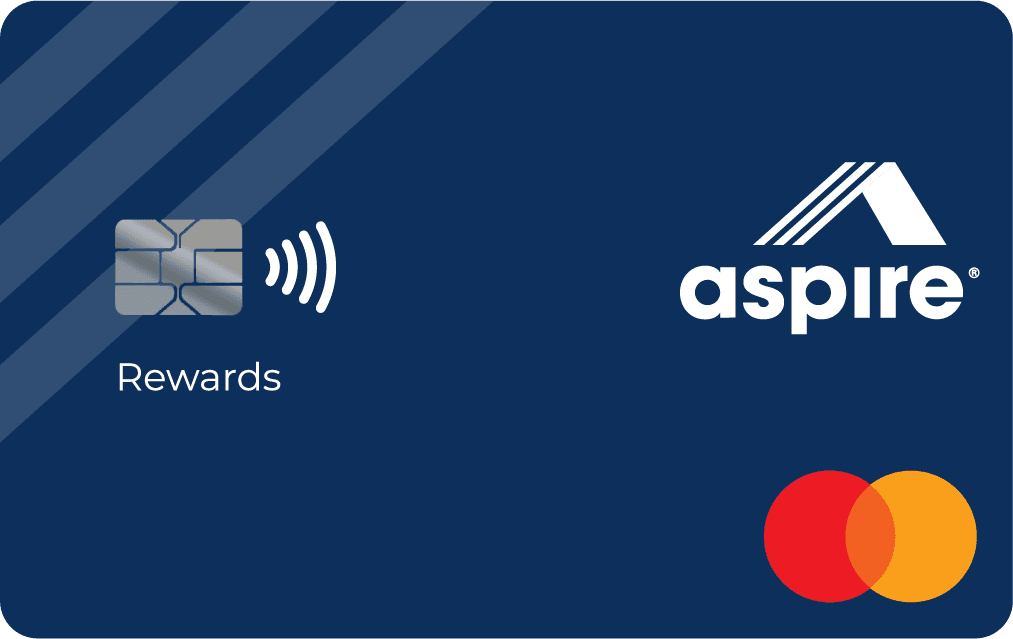
Aspire® Cash Back Rewards Mastercard
Aspire® Cash Back Rewards Mastercard. Prequalify* For Up To $1000 Credit Limit. No security deposit. Packed with great benefits, it’s designed to give you more flexibility—and purchasing power—along with up to 3% cash back rewards!** Good anywhere Mastercard is accepted, it’s the go-to card for any lifestyle.
Standout feature
Up to 3% cashback rewards**
Fees
$85–$175 first year, $229 thereafter (maintenance fees already included)
Pros
No Deposit Required. Prequalify* for up to $1000 credit limit
Cons
High APR, 36% Fixed.
Who the Preferred Fits
The Preferred typically works best for:
- Households spending at least $3,200 a year at U.S. supermarkets.
- Multi-service streaming subscribers.
- Commuters with frequent transit, rideshare, or parking costs.
- Anyone willing to pay an annual fee in exchange for higher rewards.
Who the Everyday Fits
The Everyday typically works best for:
- Light to moderate grocery shoppers.
- People who prefer a $0 annual fee.
- Online shoppers who buy from U.S. retailers often.
- Anyone testing out Amex for the first time.
The Bottom Line
If your household spends $250 a month or more at U.S. supermarkets and you subscribe to multiple streaming services, the Preferred typically earns more in net rewards than the Everyday, even after the $95 fee.
If your spending is lower or more spread out, the Everyday delivers a similar value with no annual fee and a slightly longer intro APR window.
There is no single right answer. The card that fits your wallet depends on what your last 12 months of spending actually look like.
Frequently Asked Questions
Is the Blue Cash Preferred annual fee worth it?
The $95 fee may be worth it if you spend at least $3,200 a year at U.S. supermarkets, since the 6% rate alone can offset the fee. Streaming and transit rewards add to the math. If your grocery spending is lower, the no-fee Everyday card often nets a similar or better return.
Can I have both Blue Cash cards at the same time?
Amex typically allows you to hold one Blue Cash Preferred and one Blue Cash Everyday, but welcome offer eligibility may be limited to one bonus per card per lifetime. Always check the current terms before applying for a second Amex card.
Do these cards work outside the U.S.?
Both cards may charge a foreign transaction fee of around 2.7% on purchases made outside the U.S. For frequent travelers, a no-foreign-transaction-fee card is usually a better fit.
What credit score do I need for the Blue Cash Preferred?
Approval typically requires good to excellent credit, generally a FICO score of 670 or higher. Income, debt, and recent credit applications also factor into the decision. The Aspire Cash Back Rewards Mastercard is one alternative that accepts thinner files while you work toward Amex's approval band.




