
A credit-card denial stings, but it is mostly a data point. The lender sent you a free letter that explains the exact reasons you were turned down. Use that letter, fix the main issues, and your next application has a much better chance of approval. The real question is when to reapply and where to apply, not whether to apply at all.
This guide breaks down what to do in the 60 days after a denial, the rules around reapplying with the same issuer, and which cards typically approve people who were just turned down.
Read the Adverse Action Notice First
Federal law requires the lender to mail or email an adverse action notice within 30 days of the denial. The notice lists:
- The credit bureau that was pulled
- The score the issuer saw
- The top reasons for the denial, usually in order
- A free copy of the credit report on request
The top reasons are the only meaningful guide. If the notice says "too many recent inquiries," applying for another card today only deepens the problem. If it says "insufficient credit history," you need a starter account before any premium card will say yes.
Request the free credit report listed on the notice. Read every line. Make sure the data the bureau sent the issuer is correct.
Wait Before You Reapply
Reapplying right away is rarely the right move. Hard inquiries lower your score by 2 to 7 points each and stay on your report for two years. Two denials in a single week often look like "credit-seeking behavior" to the next lender.
A cleaner strategy is to wait 60 to 90 days. That gives you time to:
- Fix or dispute any error on your credit report
- Pay down balances so utilization drops below 30 percent
- Add an on-time payment cycle to your file
- Call the issuer for a reconsideration if you think the denial was a borderline call
Reapplying with the same issuer too soon often triggers an automatic denial. Most issuers in 2026 enforce a 30 to 90 day cooling-off period for the same product.
Try a Reconsideration Call
Most major issuers run a reconsideration line. The agent can review the application with you, see if any data was missing, and sometimes flip a denial to an approval. If the denial was over a thin file, the agent might offer a smaller credit limit. If the denial was over high balances, the agent might ask if you have paid them down since you applied.
Keep the call short and factual. Mention income, on-time payments on existing accounts, and any new positive data. Do not argue about credit-bureau scores. The issuer cares about its own underwriting model.
Fix the Top Three Reasons That Cause Denials
In 2026, three reasons account for most denials at credit-builder and starter-card issuers:
- High utilization. Pay down balances so each card is below 30 percent of its limit, ideally below 10 percent.
- Recent inquiries or new accounts. Slow down. Hold off on any new applications for at least 60 days.
- Thin credit file. Add one starter account that reports to all three bureaus.
The Self Visa® Credit Card or Self.Inc Credit Builder Account are common starter picks because they accept thin or damaged credit and report to Experian, Equifax, and TransUnion. Even a $5 to $25 monthly payment that lands on time every month builds positive history fast.
Where to Apply After a Denial
If you were denied a premium rewards card, drop down a tier. Try a starter rewards card or a secured credit card from the same issuer. If you were denied a secured card, the issuer either had a deposit problem or saw a recent serious negative on your file. Build six months of clean history with a credit-builder loan first, then reapply.
For people coming off a denial, three categories work well:
- Secured cards: Self Visa® Credit Card, OpenSky, Kikoff Secured Credit Card
- No-credit-check cards: Current Build Card, Kikoff Secured Credit Card
- Credit-builder loans: Self.Inc Credit Builder Account, Cheers Credit Builder Loan
Most of these accounts approve in minutes and report to all three bureaus, which is what you need most after a denial.
Related: Credit Cards for New Users: How to Get Approved With No History
Use Pre-Approval Before You Apply
Pre-approval and pre-qualification are soft pulls. They do not affect your credit score and they tell you with high confidence whether the issuer would approve a real application. Most major issuers run pre-qualification tools on their websites in 2026.
A few common ones:
- Capital One Pre-Approval
- American Express CardMatch
- Discover Pre-Qualification
- Citi Pre-Qualification
Always pre-qualify before a hard application. Approval rates after a pre-qualified offer are often above 90 percent.
What to Do for the Next 90 Days
A short, focused plan after a denial:
- Day 1 to 7: Read the adverse action letter. Pull and dispute any errors on your credit report. Set up auto-pay on every existing account.
- Day 7 to 30: Pay down balances. Open one starter account that reports to all three bureaus.
- Day 30 to 60: Watch the score climb. A clean Self.Inc Credit Builder Account run usually adds 10 to 30 points in 60 days.
- Day 60 to 90: Pre-qualify with several issuers. Apply for the card that returns the strongest pre-qualification.
Free credit monitoring tools like Dovly and Creditship can flag every score change so you know when to act.
Looking for a wider list of starter accounts? Browse the best credit-building bank accounts for 2026.
Common Mistakes After a Denial
- Applying again the same week. Each denial is another inquiry and another mark on your file.
- Closing existing accounts "to start fresh." Closing accounts shrinks your available credit and shortens average account age, which usually drops your score.
- Paying off old collections without a deletion agreement. Old paid collections still hurt unless you negotiate a pay-for-delete in writing.
- Skipping the adverse action letter. The denial reasons are the cheapest, fastest roadmap to approval.
Denial is information. Use it.
Frequently Asked Questions
How long should I wait to apply for another credit card after a denial?
Most experts recommend 60 to 90 days. That gives time for one or two on-time payment cycles, possible score improvement, and any disputes to resolve. Some issuers enforce a 30 to 90 day cooling-off period on reapplications for the same product.
Will applying again hurt my credit score more?
Each hard inquiry lowers your score by 2 to 7 points. The first inquiry is usually mild. The third or fourth inquiry in a 30 day window starts to compound, so space applications out and use pre-qualification before any hard pull.
Can I get approved for a credit card right after a denial?
Yes, but apply in the right tier. Secured cards like Self Visa® Credit Card and OpenSky have high approval rates and report to all three bureaus. Pre-qualification first lets you avoid another hard pull that ends in a no.
Does a denial show up on my credit report?
No. The denial itself does not appear. The hard inquiry from the application does, and it stays on your report for two years. The score impact fades after about 12 months.

Current Build Card
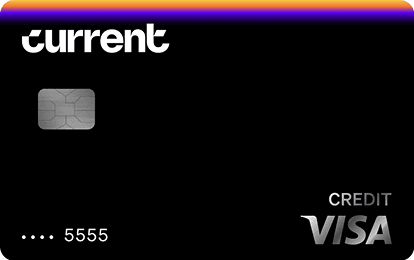
Current Build Card
$0 annual fee. No minimum deposit required. No credit check required. 1 point per dollar on eligible categories. Reports to Experian, TransUnion, Equifax.
Fee
$0
APR
0%
Minimum Deposit Amount
$0
Credit Check
No
Cashback
1 point/dollar on eligible categories (with qualifying payroll deposit)
Benefit
No credit check, no deposit minimum




