Credit builder accounts are bank or fintech products that turn the way you handle deposits, debits, loan payments, or bills into a positive credit-bureau report. Some are marketed as credit-building bank accounts, others as credit builder loans or build cards, but they all sit between a regular checking account and a secured credit card. The big draw is that you do not need an existing credit score to qualify, and most have no hard credit pull at sign-up.
This 2026 round-up covers the 5 best credit builder accounts, what each one reports, the fees, and who each account fits.
What Counts as a Credit Builder Account
Three models live under the same label:
- Build cards tied to a bank account. A single signup pairs a checking-style account with a debit-card-like product that reports your spending to the bureaus. Current Build Card and Chime Credit Builder Card are the best-known examples.
- Credit-builder accounts that double as savings. A small "loan" pays into a locked savings balance and shows up as an installment account on your credit report. The Self.Inc Credit Builder Account is the original.
- Rent and utility reporting attached to a bank account. A regular checking account adds rent or bill reporting to the bureaus, often through Self.Inc Rent and Utility Reporting.
All three add positive history to your credit file when you pay on time. None require an existing FICO score. Each has a different angle, so pick based on the type of payment you already make.
The 5 Best Credit Builder Accounts for 2026
Current Build Card. $0 annual fee, no credit check, no minimum deposit, 0 percent APR. Reports to Experian, TransUnion, and Equifax. Current asks for a Social Security number at signup, though many Firstcard readers report being approved with an ITIN. Best for: an applicant who wants a single account that pairs spending and credit building, with no existing credit history needed.
Self.Inc Credit Builder Account. Functions as a small loan that pays into a locked savings account. Adds an installment trade line to all three bureaus. Best for: someone who wants to combine credit building with a small savings habit.
Self.Inc Rent and Utility Reporting. Free reporting of on-time rent payments to all three bureaus. Adding cell phone and utility payments costs $6.95 per month and reports to TransUnion only (as of October 2026). Best for: a tenant who wants to claim credit for the rent they already pay.
Kikoff Credit Account. No deposit, no credit check, 0 percent interest. Plans cost $5, $20, or $35 per month, and Kikoff reports a $750 to $3,500 tradeline to all three bureaus every month. You do not get the money back at the end. No longer offered. Kikoff plans don't include the secured card anymore, but Kikoff's credit builder still works. Best for: a beginner who wants a reported credit line with no deposit and no FICO pull.
Chime Credit Builder Card. $0 annual fee, no minimum deposit, no interest. Pairs with Chime Spending Account. Best for: an existing Chime user who already has a checking account in the app.
Current Build Card
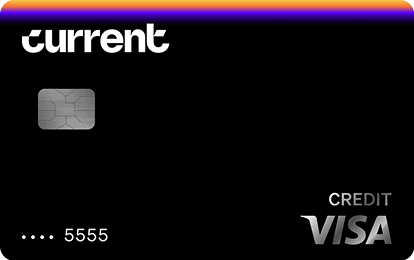
Current Build Card
$0 annual fee. No minimum deposit required. No credit check required. 1 point per dollar on eligible categories. Reports to Experian, TransUnion, Equifax.
Fee
$0
APR
0%
Minimum Deposit Amount
$0
Credit Check
No
Cashback
1 point/dollar on eligible categories (with qualifying payroll deposit)
Benefit
No credit check, no deposit minimum

Chime Card™
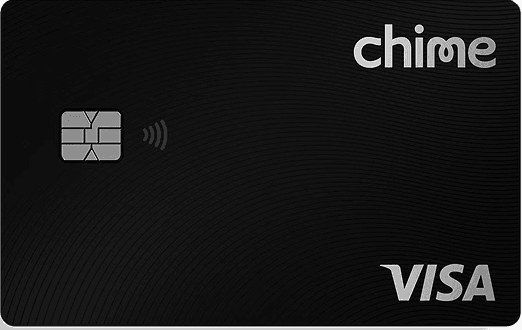
Chime Card™
The secured Chime Visa® Credit Card helps you build credit with no interest and no credit check to apply. Earn 5% cash back with Chime Prime™ or 2% with Chime Plus™ on a category of choice each month (with qualifying direct deposits), plus a fee-free in-network ATM network.¹
Fee
$0
APR
No interest
Minimum Deposit Amount
$0
Credit Check
No
Cashback
5% with Chime Prime or 2% with Chime Plus on a category of choice each month (with qualifying direct deposits)
Benefit
Up to $200 in fee-free SpotMe® coverage for eligible members
You do not need all five. One revolving account plus one installment account is the standard recipe.
Ready to use these accounts to reach 670+? See how to build a good credit rating from scratch for the full sequence.
What Credit Builder Accounts Report to the Credit Bureaus
Most credit builder accounts in 2026 report to all three major bureaus, but the trade-line type varies. The category matters because credit mix counts for 10 percent of your FICO score.
- Current Build Card and Chime Credit Builder Card report as revolving credit.
- Self.Inc Credit Builder Account reports as an installment loan.
- Self.Inc Rent and Utility Reporting reports rent as an alternative trade line to all three bureaus, often weighted by VantageScore 4.0 and FICO 10T. The paid cell phone and utility add-on reports to TransUnion only.
- Kikoff Credit Account reports a $750 to $3,500 tradeline to all three bureaus monthly. It no longer includes a secured card, so there is no separate revolving card line from Kikoff.
Fees and Minimums to Watch For
Credit builder accounts rarely have huge fees, but many have monthly subscription costs that quietly add up. Quick comparison, as of October 2026:
- Current Build Card: $0 monthly fee
- Self.Inc Credit Builder Account: monthly payment funds the savings account; no administrative fee
- Self.Inc Rent and Utility Reporting: rent reporting is free; cell phone and utility reporting is $6.95 per month
- Kikoff Credit Account: 0 percent interest, no deposit; plans are $5, $20, or $35 per month, and the payments are not returned at the end
- Chime Credit Builder Card: $0 monthly fee
Review the disclosures on each provider's website before signing up. Promotions and pricing change.
How to Pick the Right One
The best account is the one that matches the bills you already pay. A few quick rules:
- If you rent, pair Self.Inc Rent and Utility Reporting with a starter card. Rent is usually the largest monthly payment, so reporting it has the biggest score impact.
- If you have a steady paycheck, a Current Build Card or Chime Credit Builder Card adds revolving history without the risk of overspending, because the limit is the money you already deposited.
- If you want savings to grow alongside credit, the Self.Inc Credit Builder Account turns each payment into both a credit trade line and a forced savings balance.
- If you want a reported credit line without putting any money down, the Kikoff Credit Account starts at $5 per month. Pair it with a build card or the Self.Inc Credit Builder Account for a second trade-line type.
How Fast Each Account Builds Score
The first reporting cycle starts about 30 to 45 days after the account opens. Most readers see their first score change at month 2 or 3. Typical 12-month outcomes:
- Current Build Card or Chime Credit Builder Card: 50 to 80 point lift on a thin file
- Self.Inc Credit Builder Account: 30 to 60 point lift, plus a savings balance of $400 to $1,800 depending on the plan
- Self.Inc Rent and Utility Reporting: 15 to 30 point lift on its own; can stack with any of the above
Free credit monitoring tools like Dovly and Creditship show the score change in near real time so you know which account is contributing the most.
Common Mistakes
- Signing up for two builder accounts of the same type. Two installment lines do not score higher than one clean line.
- Closing the account too early. Length of history matters. Keep at least one builder account open for the first 24 months.
- Forgetting auto-pay. A late payment on a credit-building product damages the same score the product is supposed to build.
- Skipping the rent reporting. If you pay rent, ignore the optional bill-reporting feature at your peril. It is the easiest score lift in the credit-builder lineup.
Frequently Asked Questions
Do credit builder accounts hurt my credit?
No. Most credit builder accounts do not require a hard credit pull, so opening one does not lower your score. As long as you pay on time, the account only adds positive history.
Which credit builder account is best for someone with no SSN?
The Current Build Card is the one to try first. Current asks for a Social Security number at signup, but many Firstcard readers report being approved with an ITIN, so it is worth applying. The Self Visa® Credit Card requires an SSN and does not accept an ITIN (as of October 2026). Both approve thin or zero-credit files. If you have an ITIN instead, start with how to build credit with an ITIN number, which covers secured cards and lenders that accept ITIN applicants.
Can I open more than one credit builder account?
Yes. Many readers stack a revolving account with an installment line. Two of the same type rarely adds extra score. One installment loan, one secured or build card, plus rent reporting is the standard recipe.
How quickly will my credit score appear?
A first FICO score usually appears about six months after a credit-building account begins reporting to the bureaus. Some VantageScore models score files faster, sometimes within two months. Free monitoring tools like Dovly and Creditship show the score as soon as it appears.

Written by
Firstcard Editorial TeamLed by Chief Editor Kenji Niwa
The Firstcard team writes simple, research-backed guides on credit, cards, and credit building. Firstcard has been helping people build credit and save money since 2020.


Edited by
Kenji NiwaFounder & CEO, Chief Editor
Kenji is the Founder and CEO of Firstcard. He built and sold iTank, Japan's largest internship platform, and has made about 40 angel investments, including Substack. He started Firstcard at UC Berkeley Haas after he was rejected for his first U.S. credit card.