More than 70 million Americans collect Social Security and millions more rely on pensions, annuities, or disability benefits. All of that counts as income on a credit card application. The trick is choosing a card whose limit and underwriting fit a smaller, predictable monthly check.
This guide covers the best card categories for fixed-income borrowers, what lenders look for besides salary, and the specific traits that make some cards easier to qualify for than others. We will also point out one solid pick for borrowers who need to build or rebuild credit on a tight budget.
What Counts as Fixed Income on a Credit Card Application
Fixed income simply means a regular monthly amount that does not vary with hours worked. Lenders accept Social Security retirement, Social Security Disability Insurance, Supplemental Security Income, VA disability benefits, pension payments, annuity distributions, and required minimum distributions from retirement accounts. Some lenders also accept regular investment income or alimony if it is documented.
Under the Equal Credit Opportunity Act, lenders cannot reject you because part of your income comes from a public assistance program. They can, however, set a credit limit that reflects your monthly cash flow. Expect smaller starting limits, often $500 to $2,000, on starter and secured cards.
What to Look for in a Card on Fixed Income
Four traits matter most. Low or zero annual fees protect a tight budget. A reasonable APR matters because carrying a balance is more likely when income is lower than expenses some months. Soft-pull pre-approval lets you test odds without a hard inquiry. And a clear credit-limit-increase path matters because the first limit will likely be modest.
For borrowers who also need to build credit, a secured card or credit-builder card is the easiest approval. The Self Visa Credit Card is built for exactly this case: it pairs with a Self Credit Builder Account, so the security deposit comes out of money you are already saving rather than a separate $200 to $500 deposit. That structure is gentler on monthly cash flow than a traditional secured card. Terms apply and APRs vary by creditworthiness.

Best Card Categories for Fixed-Income Borrowers
Secured Credit Cards
Secured cards require a refundable deposit that becomes the credit line. They are the easiest approval path for retirees with thin or damaged credit. Most have low or zero annual fees, and many graduate to unsecured cards after six to twelve months of on-time payments. The deposit is refundable when you close the account in good standing or graduate.
Credit-Builder Cards
Credit-builder cards work like secured cards but pair with a savings or installment loan rather than a flat deposit. Self Visa is the leading example. These cards build savings and credit history at the same time, which fits the budgeting style of many fixed-income households.
If you would rather build credit through a debit-style card that has no traditional credit check, the Current Build Card reports your everyday spending to all three bureaus and lets you set aside funds that back your activity. For a fixed-income household watching cash flow week to week, that lets you grow a payment history without a separate deposit or a hard pull.
Current Build Card
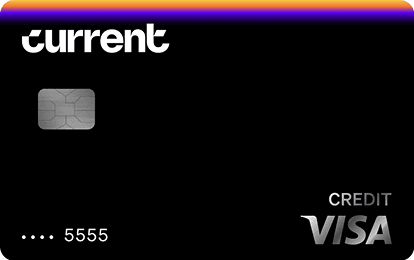
Current Build Card
$0 annual fee. No minimum deposit required. No credit check required. 1 point per dollar on eligible categories. Reports to Experian, TransUnion, Equifax.
Fee
$0
APR
0%
Minimum Deposit Amount
$0
Credit Check
No
Cashback
1 point/dollar on eligible categories (with qualifying payroll deposit)
Benefit
No credit check, no deposit minimum
Unsecured Starter and Cash-Back Cards
If your credit score is already in the high 600s or above, you may qualify for a no-fee unsecured card with modest cash-back rewards. Look for flat 1.5 percent or 2 percent cash back so the rewards do not require category management.
A practical no-deposit pick here is the Aspire Cash Back Rewards Mastercard, which offers up to a $1,000 credit limit with no security deposit and up to 3 percent cash back on everyday categories. For a retiree who wants real card benefits without tying up savings in a deposit, that combination fits a fixed monthly budget well.
Aspire® Cash Back Rewards Mastercard
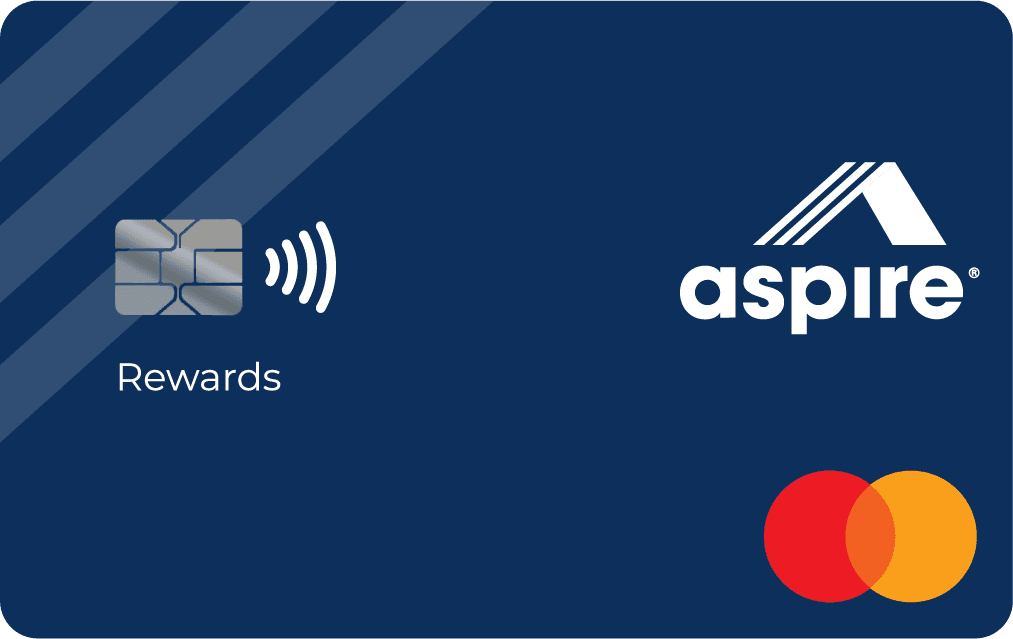
Aspire® Cash Back Rewards Mastercard
Aspire® Cash Back Rewards Mastercard. Prequalify* For Up To $1000 Credit Limit. No security deposit. Packed with great benefits, it’s designed to give you more flexibility—and purchasing power—along with up to 3% cash back rewards!** Good anywhere Mastercard is accepted, it’s the go-to card for any lifestyle.
Standout feature
Up to 3% cashback rewards**
Fees
$85–$175 first year, $229 thereafter (maintenance fees already included)
Pros
No Deposit Required. Prequalify* for up to $1000 credit limit
Cons
High APR, 36% Fixed.
Store and Gas Cards
A store card from a regular shopping spot can be useful as a second tradeline. Approval thresholds are usually lower than for general-purpose cards. Use only for planned purchases, since APRs on store cards typically run 28 to 32 percent.
How to Maximize Approval Odds on a Smaller Income
List total monthly income from all sources, not just Social Security. Pension, annuity, part-time work, alimony, regular investment distributions, and a spouse's income you have access to all count under federal rules. Many fixed-income borrowers under-report their income because they forget to add up every source.
Apply where you already have a relationship. Credit unions and the bank that holds your checking account often offer pre-approval with softer cutoffs because they can see your deposit history.
Keep credit utilization low on cards you already have. A 25 percent utilization on existing accounts can offset a thinner income picture and push a borderline application into approval.
Mistakes Fixed-Income Borrowers Make
Applying for premium travel or rewards cards with high income requirements wastes hard inquiries. Each rejected application leaves a mark for two years. Stick with cards aimed at fair or rebuilding credit unless your score and income comfortably meet the published requirements.
Closing old accounts after retirement is another common mistake. Available credit and average age of accounts both protect your score. Closing the oldest card to simplify a wallet can drop a score 20 to 40 points overnight.
Carrying a balance to "build credit" is also a myth. Paying the full statement balance every month builds credit identically and saves the interest charges. Only the on-time payment is reported, not whether a balance carried.
Building Credit Slowly on Fixed Income
The steady-state goal is two or three open accounts, all in light use, all paid in full each month. A credit-builder card or secured card can be the anchor account if there is no existing card. Add a no-fee unsecured card after six to twelve months of clean history. After 18 to 24 months, request a credit-limit increase on the oldest card to bring utilization down further.
Over time the secured deposit can be refunded and rolled into emergency savings. The credit history continues even after the secured card converts or closes. Most fixed-income borrowers who follow this pattern end up in the 720+ range within two years.
Related Reading
- credit cards for Social Security recipients
- best credit cards for low-income seniors
- credit cards for low income
- Self Visa review
- what is a good credit score
Frequently Asked Questions
Can I get a credit card if my only income is Social Security?
Yes. Social Security retirement, disability, and SSI all count as income on credit card applications. The limit may be smaller than what a working borrower would see, but approval is common, especially for secured and starter cards. Federal law protects you from being denied solely because your income comes from a public benefit.
How much income do I need for a credit card?
There is no single minimum. Most secured and starter cards approve borrowers with $1,000 to $1,500 in monthly income. Premium travel cards usually expect $40,000 to $60,000 a year or more. The lower the requested credit line, the lower the income that will support an approval.
What credit score do I need to get approved on a fixed income?
Secured and credit-builder cards approve scores as low as the 500s, sometimes lower. Unsecured starter cards usually want a score of at least 600 to 640. Cash-back cards aimed at fair credit typically need 660 or above. The score requirement is the same regardless of income source.
Will applying for a credit card hurt my retirement budget?
The application itself triggers a hard inquiry that can drop your score 5 to 10 points temporarily. The card itself only affects your budget if you carry a balance. Used as a payment tool with the full statement balance paid monthly, a credit card costs nothing and builds your score over time.