Living on a fixed income does not mean you have to live without credit. The best credit cards for Social Security recipients can help retirees, SSI, and SSDI households cover monthly expenses, build emergency cushions, and earn small rewards on bills they already pay. The trick is picking a card that fits a steady budget and avoids surprise fees.
This guide breaks down which cards accept Social Security income, how to list that income on the application, and the smartest ways to manage spending. Terms and conditions apply, and APRs vary by creditworthiness.
Why Credit Cards Help Social Security Recipients
A credit card can do more than cover groceries. For Social Security recipients, the right card can build credit, smooth out cash flow, and unlock fraud protections that debit cards do not offer.
Credit cards also report to the three major credit bureaus, which can help raise your FICO score over time. A higher score may unlock lower rates on future loans, lower insurance premiums in many states, and better terms on rentals.
The key is picking a card with predictable fees and a low credit limit you cannot easily overshoot.
Our Top Picks
Here are four cards that work well for Social Security recipients. Each focuses on simple terms, reasonable fees, and credit-building features.
- Self Visa® Credit Card. $25 annual fee. The credit limit is funded by your Self Credit Builder savings, so you cannot overspend. Best for: retirees who want to build credit while saving small amounts each month.
- OpenSky Secured Visa. $35 annual fee. No credit check, no SSN required to apply. Refundable security deposit funds the limit. Best for: those with poor or no credit who want guaranteed approval.
- Current Build Card. No annual fee. Pays your balance from your linked Current account, helping you avoid interest. Best for: recipients who want a debit-like experience that still reports to all three bureaus.
- Capital One Platinum Secured. $0 annual fee. Deposit as low as $49 for a $200 limit. Best for: retirees who want a path to an unsecured card with no annual fee.
For a broader head-to-head comparison filtered specifically by predictability of fees and rewards, see our roundup of the best credit cards for fixed income.

Does Social Security Count as Income for a Credit Card?
Yes. Card issuers accept Social Security as legal income, alongside pensions, annuities, part-time work, and investment income. The CARD Act of 2009 lets applicants list any household income they reasonably expect to access.
When the application asks for annual income, add up your monthly Social Security check times 12. Include any spousal benefits, SSDI, SSI, or pension payments. List interest from CDs and dividends from investments if applicable.
Issuers do not ask for proof up front, though they may verify income later. List only income you can document if asked.
Best Credit Cards for Social Security Recipients with No or Bad Credit
If your credit history is thin or damaged, secured and credit-builder cards are the safest start. They typically come with lower approval thresholds and predictable fees.
The Self Visa® Credit Card pairs with a Self Credit Builder Account. You set up a small monthly payment toward a savings goal, and once you have $100 in savings, you can unlock a Visa with a matching credit limit. Because the limit is small, the balance stays manageable.
The OpenSky Secured Visa is another strong option. It does not run a credit check at application, which can help applicants who fear another denial. The deposit is fully refundable when you upgrade or close the account in good standing.
If you would rather skip a security deposit altogether, the Aspire Mastercard is worth a look. It is an unsecured card with higher approval odds for fixed-income applicants, no deposit required, and it reports to all three bureaus so on-time use steadily builds your history.
Aspire® Cash Back Rewards Mastercard
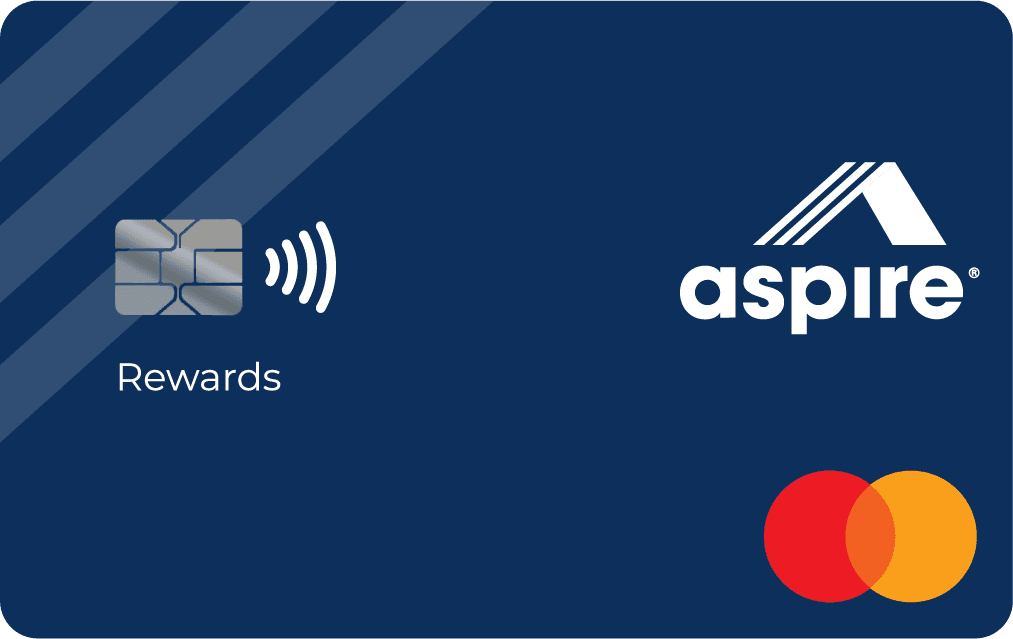
Aspire® Cash Back Rewards Mastercard
Aspire® Cash Back Rewards Mastercard. Prequalify* For Up To $1000 Credit Limit. No security deposit. Packed with great benefits, it’s designed to give you more flexibility—and purchasing power—along with up to 3% cash back rewards!** Good anywhere Mastercard is accepted, it’s the go-to card for any lifestyle.
Standout feature
Up to 3% cashback rewards**
Fees
$85–$175 first year, $229 thereafter (maintenance fees already included)
Pros
No Deposit Required. Prequalify* for up to $1000 credit limit
Cons
High APR, 36% Fixed.
How to List Social Security Income on a Credit Card Application
The income field on most applications asks for total annual income before taxes. Add up every steady source.
For example, if you receive $1,800 a month in Social Security plus $400 from a part-time job, your annual income is $26,400. Include any allowable household income from a spouse if you have shared access to it.
Do not exaggerate. Misrepresenting income on an application can be considered fraud. Stick to numbers you can prove with bank statements or benefit letters.
Watch Out for Annual Fees and Maintenance Charges
Some cards aimed at low-income or low-credit applicants come with stacked fees. Look for monthly maintenance fees, annual fees over $99, and account-opening fees.
Cards from issuers like First Premier and Total Visa can charge $75 or more in fees in the first year. That can swallow a big chunk of a fixed income.
Stick with cards that have transparent fees, like the Self Visa, OpenSky, Current Build Card, or Capital One Platinum Secured. If a card asks for a setup fee, walk away.
Tips for Managing a Card on a Fixed Income
A few small habits can keep your card useful and your score growing.
- Use the card for one or two recurring bills, like a phone plan or a streaming service.
- Set up autopay for the full balance to avoid interest and missed payments.
- Track spending each week to stay within your budget.
Keeping your card active with small charges helps build payment history without overspending. If autopay is not possible, set a reminder a few days before the due date.
How to Improve Your Credit on Social Security
Building or repairing credit takes patience, but the steps are simple.
Pay every bill on time. Payment history is 35% of your FICO score, the biggest single factor. Keep utilization under 30% of your credit limit. If your limit is $300, try to keep the balance under $90.
Avoid opening multiple new cards in a short window. Each application creates a hard inquiry that can shave a few points off your score. Pull your free credit report at AnnualCreditReport.com every 4 months to catch errors.
After 6 to 12 months of on-time payments, you may qualify for a graduated unsecured card with a higher limit.
To see exactly which habits are moving your score, Creditship is a free AI-powered credit monitor that tracks all three bureaus and gives you concrete steps to lift your score. For someone on a fixed income, that visibility helps you focus effort where it actually counts.
Creditship

Creditship
Get free credit monitoring and concrete advice how to improve your credit from Creditship AI.
Standout feature
AI Credit Coach. AI analyzes your credit report in depth and gives you tailored, actionable steps to raise your score.
Fees
Free
Pros
Free credit report access plus monitoring and alerts
Cons
No credit repair feature
Avoiding Scams That Target Seniors
Older Americans are common targets for credit scams. Watch out for offers that promise instant credit lines, no credit check, and high limits with no proof of income.
Real card issuers do not ask for upfront fees by gift card, wire transfer, or cryptocurrency. They also do not pressure you to apply on the phone the same day.
If you suspect a scam, hang up and call the issuer's official number from its website. Report fraud to the FTC at ReportFraud.ftc.gov. Setting up free credit monitoring can also alert you to suspicious account activity early.
Related Reading
- Best credit cards for no income
- Can you get a credit card without a job
- Best credit cards for bad credit with no deposit
- Best secured credit cards
- Improve your credit score
Frequently Asked Questions
Can I get a credit card if Social Security is my only income?
Yes. Card issuers accept Social Security, SSDI, and SSI as valid income. Add your monthly benefit times 12 to find your annual income, and include any spousal or household income you can access.
What is the easiest credit card to get on a fixed income?
Secured cards are usually the easiest to qualify for. The OpenSky Secured Visa runs no credit check, and the Self Visa® Credit Card unlocks based on your savings. Both report payments to the three major bureaus.
Will applying for a credit card affect my Social Security benefits?
No. Credit applications are not reported to the Social Security Administration and do not affect your benefit amount. Income limits for SSI may be affected by other earnings, not by credit card use.
How can I avoid annual fees on a credit card for Social Security recipients?
Look for cards with $0 annual fees, like the Current Build Card and the Capital One Platinum Secured. If you carry a card with an annual fee, weigh the rewards or credit-building value against the cost before each renewal.