Why 18 Is the Right Time to Start Building Credit
Turning 18 means you can legally apply for credit in your own name. The earlier you start building a positive credit history, the better positioned you'll be for future milestones like renting an apartment, getting a car loan, or qualifying for a mortgage.
The key is starting with the right card. At 18, you likely have no credit history, which means most traditional credit cards aren't an option yet. But several cards are designed specifically for people in your situation. If you're also enrolled in school, our dedicated roundup of the best credit cards for 18-year-old college students compares student-specific picks alongside general starter cards.
Best Card Options for 18-Year-Olds
Secured Credit Cards
Secured cards are the most accessible option for someone with no credit history. You put down a refundable deposit (usually $200 to $500), and that deposit becomes your credit limit. The card works just like a regular credit card, and your payments get reported to all three credit bureaus.
Popular options include the Discover it Secured Card, which offers cash back rewards, and the Capital One Platinum Secured Card, which requires a lower minimum deposit.
Student Credit Cards
If you're heading to college, student credit cards are designed for you. They typically have lower credit requirements and may offer perks like cash back on dining or streaming services. The Discover it Student Cash Back card is a strong choice with no annual fee and rewards on everyday purchases. For the application step-by-step, see our how to apply for the Discover Student Credit Card walkthrough.
Credit Builder Cards
Credit builder cards built specifically for people starting from zero help you establish credit through responsible use, often with educational tools and spending insights that help you learn good habits early.
What to Look for in Your First Card
No annual fee. When you're just starting out, avoid paying for the privilege of having a card. There are plenty of solid no-fee options.
Reports to all three bureaus. Your card should report to Experian, Equifax, and TransUnion. This ensures your good payment habits build credit across the board.
Low or no minimum deposit. If you're going the secured card route, look for cards with low deposit requirements.
Rewards are a bonus, not a priority. Cash back is nice, but your primary goal is building credit. Don't pick a card with higher fees just for slightly better rewards.
Tips for Using Your First Card Responsibly
Keep your utilization low. Try to use less than 30% of your credit limit. If your limit is $300, keep your balance under $90. Lower is even better.
Pay your full balance every month. This avoids interest charges and shows lenders you can manage credit responsibly. Set up autopay so you never miss a due date.
Start with small, regular purchases. Use your card for something predictable like a streaming subscription or gas. Pay it off immediately. This creates a pattern of responsible use without the temptation to overspend.
Don't apply for multiple cards at once. Each application creates a hard inquiry on your credit report. Space out applications by at least six months.
Common Mistakes to Avoid
Maxing out your card. High utilization hurts your credit score. It also creates debt that can snowball with interest charges.
Making only minimum payments. While this keeps your account in good standing, carrying a balance means paying interest. Always aim to pay the full amount.
Ignoring your statements. Review your statements monthly. This helps you catch unauthorized charges early and stay aware of your spending patterns.
Closing your first card too soon. The length of your credit history matters. Keep your first card open, even if you eventually get a better one. Learn more about first credit cards.
Current Build Card
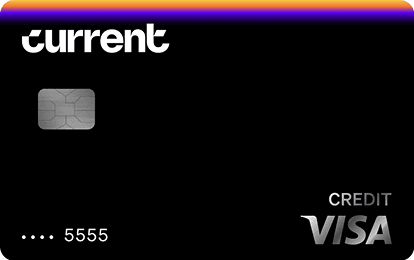
Current Build Card
$0 annual fee. No minimum deposit required. No credit check required. 1 point per dollar on eligible categories. Reports to Experian, TransUnion, Equifax.
Fee
$0
APR
0%
Minimum Deposit Amount
$0
Credit Check
No
Cashback
1 point/dollar on eligible categories (with qualifying payroll deposit)
Benefit
No credit check, no deposit minimum
What Credit Score Can You Expect?
After six months of responsible card use, you can expect to have a credit score in the range of 650 to 700. This is a solid foundation. After a year or two of consistent on-time payments and low utilization, you could reach the 700s.
The most important factor is patience. Credit building is a marathon, not a sprint. Starting at 18 gives you a head start that will pay off for years to come.
The Bottom Line
Getting your first credit card at 18 is one of the smartest financial moves you can make. Choose a card designed for beginners, use it responsibly, and pay your balance in full every month. Your future self will thank you. Start your credit journey with the credit builder card.
Frequently Asked Questions
What is the best first credit card for an 18-year-old with no credit?
The Discover it Secured Card and Capital One Platinum Secured are consistently top picks for first-time cardholders at 18. Both report to all three credit bureaus, have reasonable deposit requirements, and offer a path to upgrade to an unsecured card. If you're in college, the Discover it Student Cash Back card is a strong no-deposit option.
Can an 18-year-old get a credit card without a parent?
Yes. At 18, you can legally apply for a credit card in your own name without a parent co-signer. However, you'll need to show income to qualify. Part-time job income, work-study income, or allowances that you have reasonable access to can count. Cards with lower income requirements — like secured cards or student cards — are your best starting point.
How long does it take to build credit from scratch at 18?
You'll have a scoreable credit file after six months of activity on your first credit card. With on-time payments and low utilization, most 18-year-olds reach a score of 650-700 within their first year. Reaching 750+ (excellent credit) typically takes two to three years of consistent responsible use. Starting early at 18 is the single biggest advantage you can give yourself.