
The average credit card APR sits north of 22% in 2026, and many subprime cards reach 35% or more. If you carry any balance month to month, the rate on your card matters more than the welcome bonus.
This guide pulls together the best low interest rate cards for 2026, with picks for builders, rewards seekers, and folks who keep getting denied for the prime options. Each card is rated on its APR, fees, and what it offers beyond a low rate.
What Counts as a Low Interest Rate in 2026?
Low is relative. For someone rebuilding credit, anything under 25% APR is below average. For prime borrowers, the bar is closer to 18%. A few practical benchmarks:
- Excellent credit, no balance: any major card works
- Excellent credit, carrying a balance: look for sub 18% APR or a 0% intro
- Fair credit, building: aim for under 25% APR with no monthly fees
- Bad credit or no history: secured cards usually beat unsecured for total cost
The APR you actually get depends on your credit profile, not just the card. Two people can apply for the same card and see different rates. If your file is sitting in the fair-credit band, our roundup of the best credit cards for people with fair credit calls out no-fee unsecured options that typically come with friendlier rates than the subprime products marketed to the same buyer.
Our Top Picks
Here are four cards worth considering in 2026.
Aspire Cash Back Rewards Mastercard: Best for no deposit cash back
- Annual fee: $0
- APR: starts around 29.99%
- Rewards: up to 3% cash back on select categories
- Best for: builders who want pre qualification without a hard pull and no security deposit
The Aspire Cash Back Rewards Mastercard is one of the few unsecured cards that combines cash back with a soft pull pre qualification. There is no security deposit, and starting credit limits can be higher than traditional subprime cards. The APR is not the lowest on this list, but the rewards and lack of deposit offset that if you pay in full.
Self Visa Credit Card: Best for builders with no credit history
- Annual fee: $25
- APR: starts around 28.74%
- Rewards: none
- Best for: people with thin or no credit who want a structured savings approach
Self pairs a Credit Builder Account installment loan with a Visa card secured by your savings. You build two tradelines at once: an installment loan and a revolving card. Both report to all three bureaus.
OpenSky Secured Visa: Best for guaranteed approval
- Annual fee: $35
- APR: around 25.64%
- Rewards: none on the basic version
- Best for: applicants with bad credit who want low fees and a lower APR than unsecured subprime
OpenSky does not run a credit check. Your deposit, starting at $200, becomes your limit. The APR is meaningfully lower than most unsecured cards for bad credit, which makes it a smart pick if you might carry a balance.
Discover it Secured: Best for cash back on a secured card
- Annual fee: $0
- APR: starts around 28.24% variable
- Rewards: 2% on gas and restaurants up to $1,000 quarterly, 1% on everything else, Cashback Match at year one
- Best for: builders who want rewards and a clear graduation path
Discover it Secured combines no annual fee with real cash back and an automatic review for graduation to an unsecured card after about seven months.
Aspire® Cash Back Rewards Mastercard
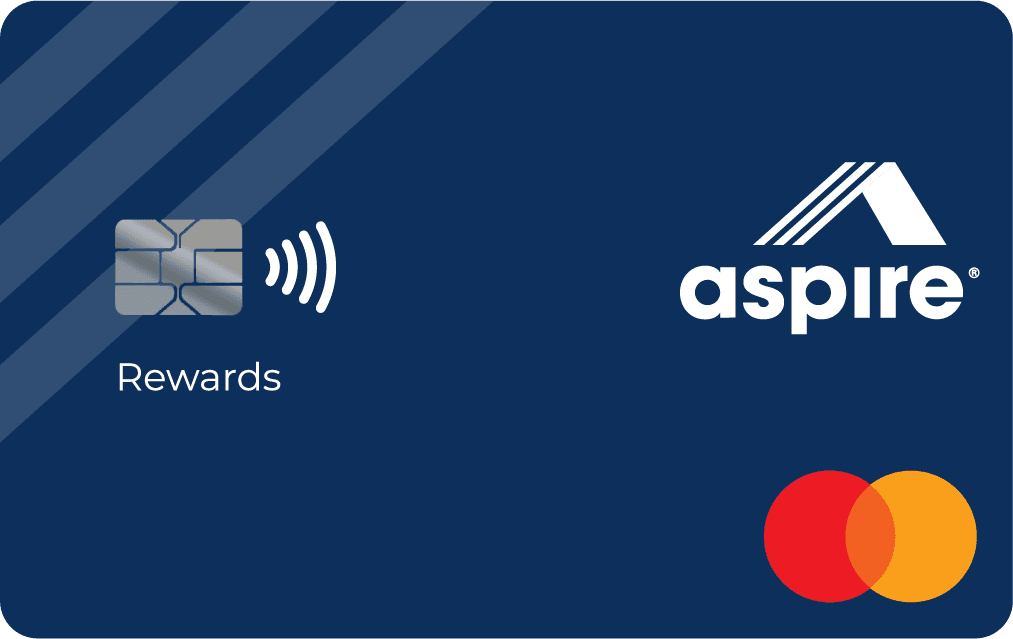
Aspire® Cash Back Rewards Mastercard
Aspire® Cash Back Rewards Mastercard. Prequalify* For Up To $1000 Credit Limit. No security deposit. Packed with great benefits, it’s designed to give you more flexibility—and purchasing power—along with up to 3% cash back rewards!** Good anywhere Mastercard is accepted, it’s the go-to card for any lifestyle.
Standout feature
Up to 3% cashback rewards**
Fees
$85–$175 first year, $229 thereafter (maintenance fees already included)
Pros
No Deposit Required. Prequalify* for up to $1000 credit limit
Cons
High APR, 36% Fixed.
How to Choose Between Them
Start with your credit score and your spending pattern. Two quick questions help narrow the list.
Do you carry a balance from month to month? If yes, prioritize the lowest APR you can qualify for. OpenSky and Discover it Secured both beat most unsecured subprime cards on rate. If a balance is already weighing on you, our guide to credit card debt payoff strategies that actually work walks through the avalanche, snowball, and balance-transfer plays that pair well with switching to a lower-rate card.
Do you have a security deposit ready? If you can put down $200, secured cards give you a lower APR and refundable deposit. If you cannot, Aspire is one of the better unsecured options because it pre qualifies with a soft pull.
What to Watch Beyond the APR
APR is one number on the cardholder agreement. The total cost of carrying a card also depends on:
- Annual fees
- Monthly maintenance fees
- Late fees, often up to $41
- Cash advance fees and APR, usually higher than purchase APR
- Foreign transaction fees, often 3%
A card with a 25% APR and a $0 annual fee usually beats a card with a 29% APR and a $99 annual fee, even if the second card looks similar on paper.
How to Lower Your APR
You are not stuck with the rate on your first approval. Three moves can lower it.
Ask for a rate reduction. Once you have six to twelve months of on time payments, call the issuer and ask. About 30% of cardholders who ask get a yes. The bigger long-term lever is raising your score itself; our practical plan for getting your credit score up from 500 lays out the score-moving moves that unlock genuinely low-APR offers from prime issuers.
Upgrade or graduate. Secured cards often graduate to unsecured products with better APR. Subprime unsecured cards may match you to a higher tier product after a year.
Move the balance. A 0% intro APR card from a different issuer can give you 12 to 21 months of breathing room if you qualify.
Frequently Asked Questions
What is a good APR for a credit card in 2026?
A good APR depends on your credit. For prime borrowers, anything under 20% is competitive. For builders, anything under 25% beats the average subprime card. Carrying a balance is the bigger driver of cost than the exact APR.
Can I get a low interest credit card with bad credit?
Secured cards usually offer lower APRs than unsecured subprime cards. OpenSky and Discover it Secured both fall in the mid 20% range, while many unsecured subprime cards run 30% or higher. A refundable deposit is usually the price of admission.
Does a 0% intro APR card make sense for credit building?
Intro 0% APR cards usually require fair to good credit, so they are not always available to builders. If you qualify, they can save real money on planned purchases or balance transfers. Always check the post intro APR, which is the rate you will pay long term.
How can I lower the APR on my current card?
Ask for a rate reduction after six to twelve months of on time payments. If your issuer says no, you can also apply for a card with a lower rate or transfer the balance to a card with a 0% intro period. Improving your credit score is the most reliable long term path.




