
The choices you make in your first decade of adulthood show up on every loan application later. Smart credit building in your 20s can mean lower rates on car loans, easier apartment approvals, and more options when you are ready to buy a home.
The good news is that you do not need a high income to start. You need a few accounts that report to the credit bureaus and a habit of paying on time, every time.
Why Your 20s Matter So Much
Length of credit history is one of the factors scoring models weigh. Every year your oldest account stays open adds to your average age of accounts.
Starting at 22 instead of 32 gives you a 10-year head start. By the time you apply for a mortgage, your file can already show a long, clean track record, which often translates into better rates.
Start With One Reporting Account
Debit cards, prepaid cards, and most cash apps do not build credit. To start a credit file, you need at least one account that reports to Equifax, Experian, and TransUnion.
Good starter options include a student credit card, a secured card, a credit-builder loan, or a card from Firstcard designed for new credit users. Pick one, use it for small purchases, and pay it off every month.
If you want a credit-builder card that reports to all three bureaus, the Self Visa Credit Card is a popular starting point. It pairs a Credit Builder Account with a secured card, so on-time payments help establish history while you are still early in your 20s.

Use a Credit-Builder Card Wisely
A credit-builder card works best when you treat it like cash. Charge a few small bills, like a streaming service or your phone plan, then pay the full balance before the due date.
The Current Build Card is one option that lets you build payment history without traditional credit checks at signup. Terms and conditions apply. The point is to show consistent activity, not to carry a balance.
Current Build Card
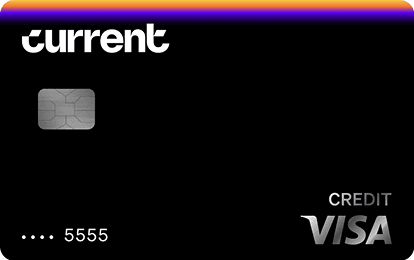
Current Build Card
$0 annual fee. No minimum deposit required. No credit check required. 1 point per dollar on eligible categories. Reports to Experian, TransUnion, Equifax.
Fee
$0
APR
0%
Minimum Deposit Amount
$0
Credit Check
No
Cashback
1 point/dollar on eligible categories (with qualifying payroll deposit)
Benefit
No credit check, no deposit minimum
If you already bank with Chime, the Chime Card is another easy on-ramp. It is a secured credit-builder card with no annual fee that reports your activity to the bureaus, so responsible use can help your score over time without a hard credit check at signup. Learn more about the Chime Card and how it fits everyday spending.
Chime Card™
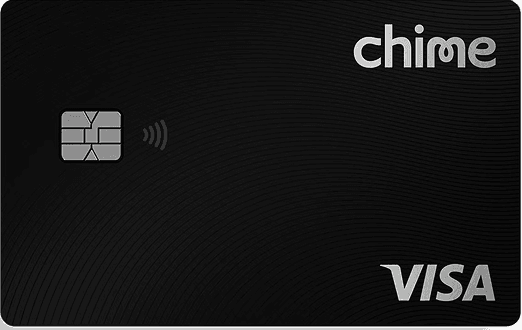
Chime Card™
Chime Card™ is Chime's secured credit card and has the reliable Chime credit-building features plus 5% cash back rewards on category of choice (with qualifying direct deposit) and access to cash at ATMs.¹
Fee
$0
APR
No interest
Minimum Deposit Amount
$0
Credit Check
No
Cashback
5% cash back rewards on category of choice (with qualifying direct deposit)
Benefit
Overdraft up to $200 without fees for eligible members.
Keep Utilization Low
Credit utilization is the percentage of your available credit that you are using. Lower is generally better.
If your card has a $500 limit, try to keep the statement balance under $50 when it closes. Paying mid-cycle, before the statement date, can help even if you use the card heavily during the month.
Set Up Autopay From Day One
A single late payment can knock 50 to 100 points off a young credit score. The simplest defense is autopay for at least the minimum.
Link autopay to a checking account you keep funded, then set a calendar reminder to pay the full balance manually. That way, even if life gets busy, your account never reports as late.
Add a Second Account at the Right Time
After six to twelve months of clean activity on your first account, consider adding a second one. A different account type, like a credit-builder loan if you started with a card, can help your credit mix.
Do not chase every signup bonus. Each application creates a hard inquiry that can lower your score for several months, and too many at once is a red flag for lenders.
Check Your Reports Twice a Year
Free reports are available weekly from each bureau through AnnualCreditReport.com. At minimum, pull each bureau's report twice a year.
Look for accounts you do not recognize, wrong balances, and addresses that are not yours. Identity theft is more common in your 20s than many people realize, and catching it early is much easier than fixing it later.
Avoid Common 20s Credit Mistakes
Closing your oldest card, missing a small medical bill, or co-signing for a friend's car are classic missteps. Each can quietly drag your score down for years.
Avoid maxing out new cards, even temporarily. Skip payday loans, since some lenders may report missed payments. And do not let a forgotten subscription pile up on a card you no longer check.
Related Reading
- Smart Credit-Building Moves to Make This Tax Season
- 5 Best Credit Building Apps
- 7 Tips for Credit Building
- Applying for 2 Credit Cards in the Same Day: Risks and Smarter Moves
- Best Credit Cards for Beginners (2026): Start Building Credit
Frequently Asked Questions
What credit score should I aim for in my 20s?
Aiming for at least 700 by your late 20s is a strong goal. Scores above 740 typically unlock the best rates on auto loans and mortgages. With on-time payments, low balances, and a few years of history, that range is realistic.
Is it bad to have only one credit card in my 20s?
Not at all. One card, used responsibly, is enough to start a solid credit file. Adding a second account later can help your mix, but a single well-managed card is better than several you cannot keep up with.
Do student loans help my credit?
Yes, when paid on time. Student loans add to your credit mix and length of history. If money is tight, look into income-driven repayment plans before missing a payment, since late student loan payments can severely damage a young credit score.
Should I use credit cards if I do not trust myself with debt?
Use them only for small recurring expenses you would pay anyway, then put them on autopay for the full balance. If that still feels risky, a secured card or credit-builder loan can build credit with less temptation to overspend.




