Getting a $5,000 credit card limit with bad credit is possible, but there's a catch: most lenders that approve bad-credit applicants won't give you $5,000 right away. We'll explain how limits work, which cards come closest, and when Firstcard makes more sense.
The Reality: Why Bad Credit Means Lower Limits
Credit limits are built on trust. If your score is under 580 or you have recent missed payments, lenders see risk. A $5,000 limit means you could rack up $5,000 you can't pay back. So issuers typically start you at $300-$1,000. After 6-12 months of on-time payments and responsible use, you can request a limit increase. Getting to $5,000 usually takes a year or two of clean payment history, not day one. The few cards that offer higher starting limits often charge steep annual fees or require a cash deposit. If you're starting smaller, see guaranteed approval cards with $1,000 limits for bad credit for realistic starting options.
Secured Cards: The $5,000 Deposit Path
Secured credit cards let you put down a cash deposit that becomes your credit limit. Want a $5,000 limit? Deposit $5,000. This money sits in a bank account while you use the card. After 12-18 months of perfect payments, the issuer may convert your account to unsecured and return your deposit. Capital One's Secured Card lets you start with a $200 deposit and potentially increase over time. The downside is obvious: you're fronting cash you won't see again for a year or more. That's only smart if you have cash to spare and are serious about rebuilding.
Capital One Platinum: Realistic Bad-Credit Card
Capital One Platinum is one of the few cards that doesn't require a deposit and approves people with bad or fair credit. Starting limits are typically $300-$1,000, not $5,000. But Capital One is predictable and fair—you can request a limit increase after a few months of on-time payments. Some cardholders report reaching $2,000-$3,000 limits within a year. Getting to $5,000 is possible but usually requires a year or more. No annual fee and transparent reporting to all three bureaus makes this better for building credit than many alternatives.
Aspire® Cash Back Rewards Mastercard
The Aspire® Cash Back Rewards Mastercard is a no-deposit unsecured card built for fair- and bad-credit applicants who want a real Mastercard with rewards. It uses a soft-pull prequalification, so you can check your odds without dinging your credit. Realistic starting credit lines are typically $300 to $1,000, with higher limits reserved for stronger profiles. A $5,000 limit at signup isn't realistic for bad credit, but Aspire is one of the few unsecured paths that doesn't require fronting cash.
What sets Aspire apart:
- No security deposit — unlike most cards approving bad credit
- Soft-pull prequalification with no impact to check eligibility
- Up to 3% cash back on select categories
- Reports to all three bureaus, so on-time use rebuilds your file
The honest trade-off is fees: Aspire charges a program fee and annual fees that scale with your assigned line, plus a standard bad-credit-segment APR. If you pay in full monthly, the fees stay manageable; carrying a balance gets expensive fast. Read the full breakdown in our Aspire Mastercard review.
Aspire® Cash Back Rewards Mastercard
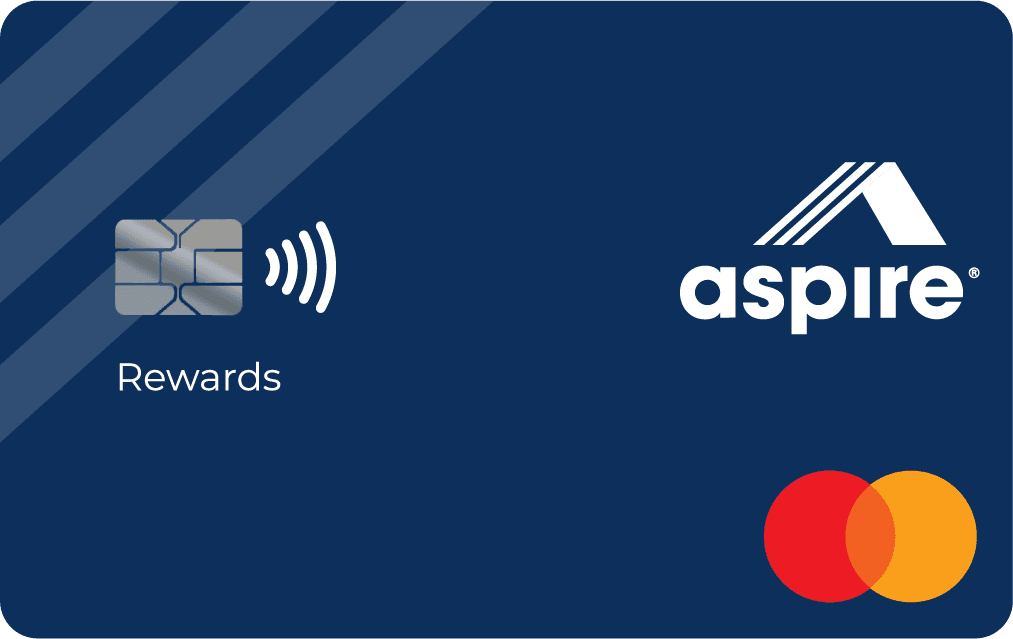
Aspire® Cash Back Rewards Mastercard
Aspire® Cash Back Rewards Mastercard. Prequalify* For Up To $1000 Credit Limit. No security deposit. Packed with great benefits, it’s designed to give you more flexibility—and purchasing power—along with up to 3% cash back rewards!** Good anywhere Mastercard is accepted, it’s the go-to card for any lifestyle.
Standout feature
Up to 3% cashback rewards**
Fees
$85–$175 first year, $229 thereafter (maintenance fees already included)
Pros
No Deposit Required. Prequalify* for up to $1000 credit limit
Cons
High APR, 36% Fixed.
Perpay Credit Card
The Perpay Credit Card takes a different angle: it's powered by your paycheck. Payments are pulled automatically through payroll direct deposit, which eliminates the late-payment risk that wrecks bad-credit applicants. There's no security deposit and no hard credit pull at signup, so it's accessible with a thin or damaged file.
Realistic starting credit lines run around $500 to $1,000, with members reporting an average 30-point score increase in the first few months of on-time auto-debited payments. A $5,000 line at signup is not realistic for bad credit — expect to build into higher limits over time.
What you get:
- No deposit, no hard credit check at signup
- Automatic paycheck-funded payments, so missed payments are rare
- 2% rewards on eligible purchases
- Reports to all three bureaus
The cost: $9/month plus a $9 account opening fee — noticeably more than a $0-fee secured card, but the payroll-integration angle is genuinely useful for people whose biggest credit-killer is missed payments. See our full Perpay Credit Card review for the deeper breakdown.
Perpay Credit Card
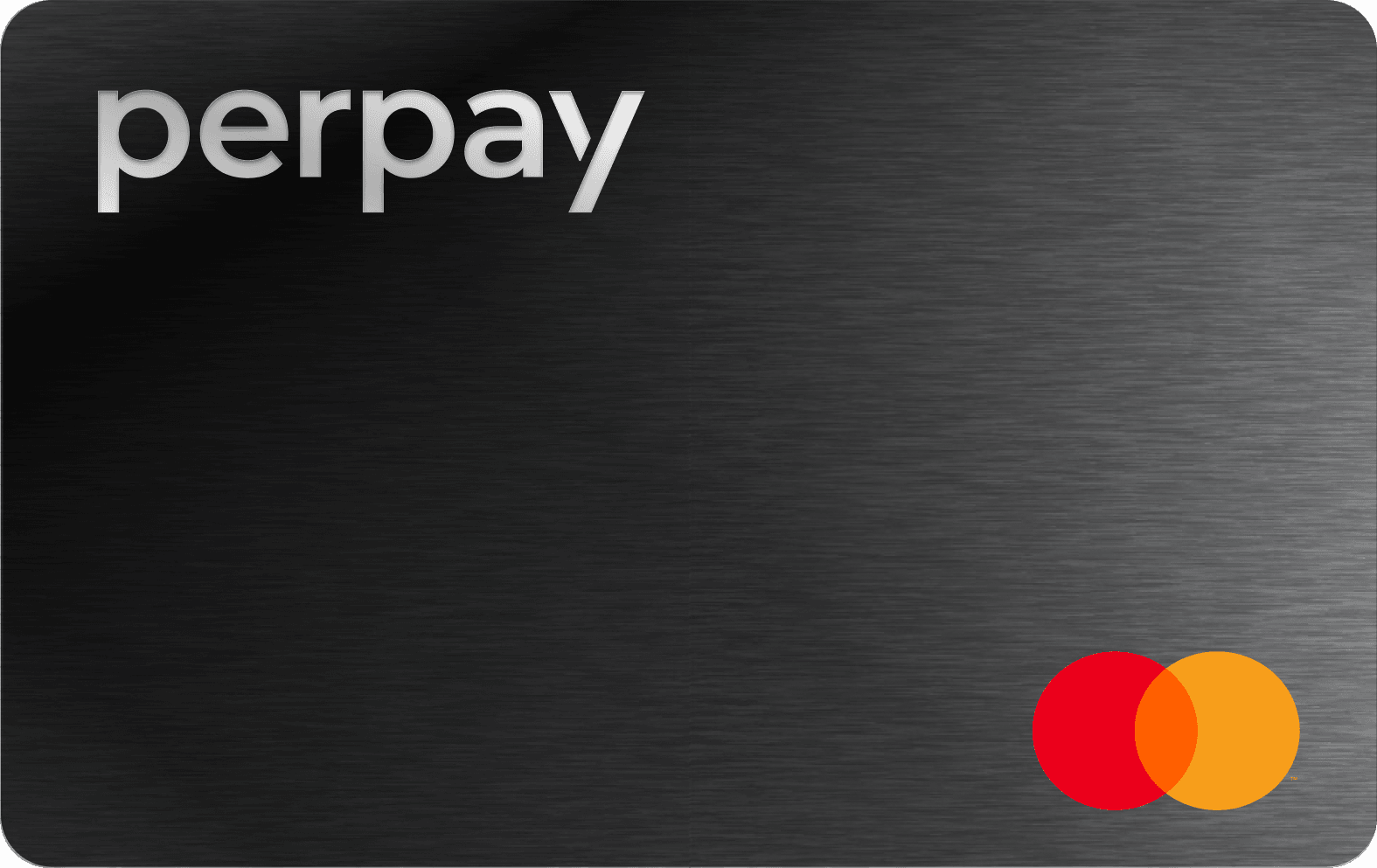
Perpay Credit Card
Meet the only card powered by your paycheck. With automatic transfers from your paycheck, you can manage payments stress-free and build credit with ease.
Fee
$9/month plus $9 account opening fee
APR
Marketplace: 0% / Credit Card: 27.74% to 29.99% depending on your creditworthiness.
Minimum Deposit Amount
$0
Credit Check
No
Cashback
2% reward on purchases made in Perpay Marketplace
Benefit
2% rewards, no security deposit
Predatory High-Fee Cards to Avoid
Be wary of cards marketed as "guaranteed $5,000 approval for bad credit." They often charge $95-$300 in annual fees, processing fees, or program fees—upfront. Some have interest rates above 30% APR. After fees and interest, you've paid hundreds before earning anything. Some require deposits and charge monthly fees on top. If a card seems too good to be true for someone with bad credit, it probably is. Check reviews and the full fee schedule carefully.
Cash Advances and Other Options
If you're looking at a card mostly to access emergency cash, our credit card cash advance with bad credit guide breaks down the real costs and traps.
For a specific store-card walkthrough, see our Walmart credit card with bad credit approval odds breakdown — store cards are easier to qualify for but typically come with much lower limits.
Limit Increase Strategies
Most cards allow limit increases after 6 months of perfect payments. Call your card issuer and ask—sometimes they'll increase your limit from $500 to $1,000 or $1,500 without a hard inquiry. Keep your utilization low (use less than 30% of your limit), pay on time every month, and demonstrate income stability. After a year, request again. Systematic increases can get you to $3,000-$5,000 without steep fees.
Why Firstcard Is an Alternative Path
If you're frustrated waiting for credit card approval or chasing higher limits, Firstcard works differently. Firstcard is a debit card linked to your own money—no credit check and no debt risk. It reports your everyday spending and rent payments to credit bureaus, building your credit score directly. There's no interest because you're using your own money. Once your score improves, you'll qualify for better credit cards with higher limits.
Building to $5,000 Over Time
Getting a $5,000 credit card limit with bad credit is a multi-step journey: start with a Capital One or secured card ($300-$1,000), use it responsibly for 6-12 months, request increases every 6 months, and reach $5,000 within 1-2 years. Skip predatory cards altogether—they cost more than they help. Build credit with Firstcard in parallel to accelerate your ability to qualify for better cards sooner.
When a $5,000 Personal Loan Beats a Credit Card
If your real need is a one-time $5,000 expense — medical bills, car repair, debt consolidation — a personal loan is often a better tool than chasing a credit-card limit you don't yet qualify for. Personal loans give you the full amount upfront, a fixed monthly payment, and a defined payoff date. Bad-credit borrowers typically see APRs in the 25–36% range, but the fixed schedule keeps the debt from creeping the way a credit card balance can.
Rather than apply to lenders one by one (each application is a hard pull), personal loan marketplaces let you compare prequalified offers in minutes with a single soft pull. MoneyLion is one of the larger marketplaces in this space, with lender partners offering up to $100,000 and options for fair- and bad-credit borrowers. You see your real prequalified rates without committing, then pick the best terms.
A few honest caveats before clicking apply:
- The $100,000 ceiling is the network's max, not what bad-credit borrowers will see — expect $1,000 to $5,000 starting offers if your score is under 600
- Prequalified offers can change after the lender's hard pull
- Compare APR plus all fees, not just the monthly payment
- A personal loan only helps if the payment fits your budget; otherwise you trade one problem for another
MoneyLion
MoneyLion
Compare personal loan offers from top providers in minutes with no credit score impact with the MoneyLion Marketplace.
Standout feature
Soft-pull marketplace that surfaces prequalified personal loan offers from a network of lenders, with options up to $100,000 and partners that work with fair and bad credit
Fees
Free to use the marketplace
Pros
Compare multiple lender offers in minutes; soft credit pull to prequalify — no impact on your score
Cons
Final approval requires a hard pull from the chosen lender
Final Thoughts
Bad-credit applicants rarely qualify for $5,000 limits upfront, but it's achievable with time. Capital One Platinum, Aspire, Perpay, secured cards with deposits, and systematic limit increases get you there. Avoid cards with steep upfront fees or interest rates above 25%. For a fee-free, score-building alternative, try Firstcard while you work on credit card limits. In 12-24 months of responsible use, you'll have better credit, higher limits, and more options.
Frequently Asked Questions
Can I get a $5,000 credit limit with bad credit right away? Almost never. Most lenders that approve bad-credit applicants start you at $300-$1,000. Getting to $5,000 typically takes 12-24 months of on-time payments, consistent low utilization, and regular limit increase requests. Secured cards are the exception—you can get a $5,000 limit by depositing $5,000—but that requires having the cash upfront.
What credit score do I need for a $5,000 credit limit? Most unsecured cards offering $5,000+ limits require a credit score of at least 670 (good credit). Some Capital One products work with fair credit (640+), but $5,000 initial limits typically require scores of 700+. If you're below 640, build with a starter card first before targeting higher limits.
Are there unsecured cards with $5,000 limits for bad credit? Rarely. Cards advertised as "unsecured $5,000 for bad credit" often come with steep annual fees ($200-$500/year), high APRs (25-35%), and processing fees. The effective cost often outweighs benefits. It's more cost-effective to build credit with a secured card and qualify for better cards within 12-24 months.
How often can I request a credit limit increase? Most issuers allow limit increase requests every 6 months. Some (like Capital One) automatically review accounts for increases after 6 months without a formal request. Always check if the request triggers a hard inquiry, as that can temporarily lower your score by 5-10 points.
Does a higher credit limit actually help my credit score? Yes. A higher credit limit reduces your credit utilization ratio—one of the biggest factors in your score. If your limit goes from $500 to $1,000 while your balance stays the same, your utilization drops and your score improves. Requesting higher limits is a valid and smart credit-building strategy.