
Traditional credit cards work well for some people, but they are not the only way to build a strong score. Credit card alternatives have grown quickly in the last few years, and many of them fit people who want less temptation, lower fees, or a gentler learning curve. If you want the opposite perspective first — a map of traditional card types — our guide to the different kinds of credit cards lays out each category and who it fits best. For a shortlist of traditional cards that are genuinely good for building credit, our breakdown of the four features that actually matter can help you compare options alongside the alternatives below.
This guide walks through the main credit card alternatives, who each one fits, and the trade-offs to watch for. You will also see how to combine a few of them if you want faster progress without the risk of overspending.
Why Consider Credit Card Alternatives
Credit cards can be powerful tools, but they also come with real risk. High interest rates, easy overspending, and late fees push many users into debt within the first year.
The right credit card alternatives may help you build payment history without a revolving balance looming over you. They also offer approval paths for people with thin files, past defaults, or no credit history at all. If you are trying to borrow money rather than just build a score, our guide on whether you can get a loan with no credit walks through which lenders will actually approve a blank file. For many beginners, these options feel more controllable than a traditional card.
No product is risk free, though. Every option below carries some cost or commitment. The goal is to match the tool to your situation rather than chase the lowest fee.
Secured Credit Cards
A secured card looks and works like a regular credit card, but you post a refundable deposit that becomes your credit limit. That deposit protects the issuer, which is why approval is much easier.
The Self Visa Credit Card, OpenSky, Kikoff Secured Credit Card, and Current Build Card are common choices. Fees and deposit requirements vary, so reading the terms closely before applying is important.
Secured cards are a good fit if you want real credit card behavior without the risk of a large credit line. They report to all three bureaus, and after a year of on-time payments, many issuers upgrade you to an unsecured card and return your deposit.

Credit Builder Loans
A credit builder loan is one of the most popular credit card alternatives for people who do not want any plastic at all. Instead of borrowing money upfront, you make monthly payments into a locked savings account. At the end of the term, you get the money back minus fees.
A Self.Inc Credit Builder Account is a well-known version of this product — see our deep dive on how Self credit building works for the exact mechanics and costs. Kikoff Credit Account and Cheers offer similar structures with different pricing. Newer entrants like Grain's credit builder product take a hybrid approach by turning your debit spending into reportable credit activity. Kovo bundles online courses with credit reporting — our Kovo credit builder review breaks down the $10-a-month plan and what it actually does for your score. If payroll-based financing appeals to you more than a locked savings account, the paycheck-powered Perpay+ model deducts payments directly from your paycheck and reports to all three bureaus.
Credit builder loans tend to suit people who want to build savings and credit at the same time. They work best when the monthly payment fits cleanly into your budget, since missing a payment defeats the point. For a head-to-head comparison of every major fintech credit builder ranked by cost, reporting velocity, and average score gain, see our roundup of fintech credit builder apps that actually move your score.
A closely related product is the credit builder line of credit, which works similarly but reports as a revolving tradeline instead of an installment loan. That makes it a better fit if your file already has installment history and what you actually need is a revolving account to round out the credit-mix factor.
If you would rather build with a card that also doubles as a spending account, the Current Build Card pairs everyday purchases with credit reporting and has no interest charges or required credit check to open. It can be a practical middle ground between a locked builder loan and a deposit-based secured card.
Current Build Card
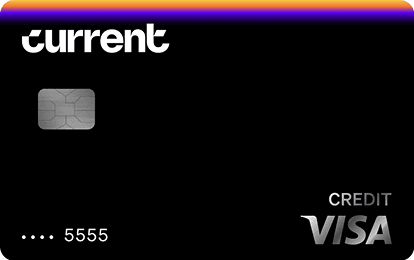
Current Build Card
$0 annual fee. No minimum deposit required. No credit check required. 1 point per dollar on eligible categories. Reports to Experian, TransUnion, Equifax.
Fee
$0
APR
0%
Minimum Deposit Amount
$0
Credit Check
No
Cashback
1 point/dollar on eligible categories (with qualifying payroll deposit)
Benefit
No credit check, no deposit minimum
Rent and Utility Reporting
You already pay rent and utilities every month. Rent reporting turns those existing habits into credit history. This is one of the lowest effort credit card alternatives for renters with a steady payment record.
Some services work directly with your landlord. Others let you self-report by linking a bank account. Fees vary, and not every bureau accepts rental data in every score model, so the score impact may vary. For a closer look at one of the better-known services, see our Rental Kharma review to compare pricing and reporting coverage, and our explainer on whether Self reports rent payments breaks down the difference between Self's credit builder account and its separate rent reporting add-on.
Rent reporting tends to suit renters who already pay on time and want more credit for it. It does not help much if your rental history is spotty.
Debit Cards That Build Credit
A newer category of credit card alternatives looks like a debit card but still reports to the bureaus. You spend your own money, and the activity is packaged as an installment or charge card style tradeline behind the scenes.
These products remove overspending risk, since you cannot charge more than your bank balance. They typically skip a hard credit pull and approve most users with a basic checking account. Our Extra Debit Card review digs into how one of the biggest players in this space prices the service and what the reported tradeline looks like.
The trade-off is that some of these products have monthly fees, and the credit line on your report may be small. They fit people who want the ease of a debit card with a light credit boost attached.
The Chime Credit Builder Secured Card sits squarely in this category. It has no annual fee and no minimum security deposit in the traditional sense, since the limit is set by money you move into a secured account, and it reports your on-time payments to the major bureaus. That makes it a low-pressure option for people who want card-style activity tied to money they already have.
Chime Card™
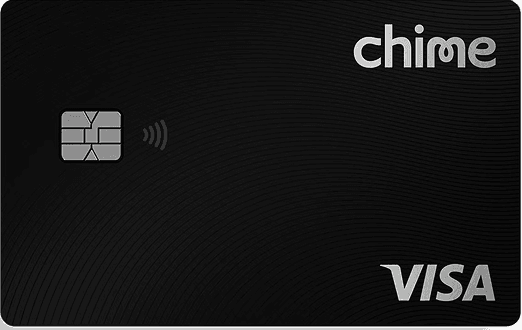
Chime Card™
Chime Card™ is Chime's secured credit card and has the reliable Chime credit-building features plus 5% cash back rewards on category of choice (with qualifying direct deposit) and access to cash at ATMs.¹
Fee
$0
APR
No interest
Minimum Deposit Amount
$0
Credit Check
No
Cashback
5% cash back rewards on category of choice (with qualifying direct deposit)
Benefit
Overdraft up to $200 without fees for eligible members.
Personal Loans for Credit Mix
Once you have some payment history, a small personal loan may strengthen your credit mix. MoneyLion offers personal loans with clear terms and a single monthly payment. EzLoan is another option that serves borrowers with limited credit.
Personal loans should be used for a real purpose, not just to build credit. Paying one off on time adds installment history, which complements revolving credit from a secured card. Borrow only what you can afford, and compare APRs carefully.
Budgeting and Cash Flow Tools
Building credit is easier when your cash flow is predictable. Budgeting apps are not credit card alternatives in a direct sense, but they support the habits that make other tools work.
Monarch Money offers a full picture of spending, savings, and goals. Brigit focuses on small advances that may help you avoid overdrafts when bills and paychecks do not line up. Both can reduce the pressure that leads to missed payments on other accounts.
Becoming an Authorized User
One of the oldest credit card alternatives is also the simplest. Being added as an authorized user on a family member's card puts their account history on your report, typically including the age and payment record.
This works best when the primary account has a long history, low utilization, and no late payments. It does not help if the account has a short history or high balances. You do not need to actually use the card to benefit, which many parents prefer for teen users.
Credit Monitoring and Repair Services
Monitoring tools are not credit card alternatives either, but they protect the progress you make with other products. Dovly and Credit Saint focus on disputing errors that drag your score down. Track your credit score with Creditship for ongoing monitoring and guidance as your new tradelines begin to report.
Using one of these services alongside a secured card or credit builder loan keeps you informed about what is actually landing on your report. That visibility is valuable when you are working with more than one credit building tool at a time.
How to Combine Credit Card Alternatives
A common beginner mix is a secured card plus a credit builder loan. You get both revolving and installment history, which covers two key credit mix factors. Add rent reporting on top, and you have three tradelines working at once without carrying any revolving debt.
More is not always better, though. Two or three products generally beat five. Each account comes with fees, due dates, and the risk of a missed payment. Start small, add new tools only after the current ones are running smoothly.
Choosing the Right Credit Card Alternatives
The best credit card alternatives are the ones you can commit to for a year or more without financial strain. Look at monthly fees, required deposits, bureau reporting, and exit costs. If a product requires a large upfront payment or has confusing fees, keep shopping.
Your score builds one month at a time, no matter which tool you use. A simple stack of low cost products, paid on time, typically produces steady, real growth that you can see within six to twelve months.
Frequently Asked Questions
What are the best credit card alternatives for building credit?
Secured cards like the Self Visa Credit Card, OpenSky, and Kikoff Secured Credit Card are popular starting points. Credit builder loans such as a Self.Inc Credit Builder Account or Cheers work well for people who prefer not to use a card at all.
Can I build credit without ever using a credit card?
Yes. Credit builder loans, rent and utility reporting, and authorized user status can all add positive history without a traditional card. Results may vary based on which bureaus accept the data and how consistently payments are reported.
Do credit card alternatives hurt my score?
Most of these products use soft pulls at application and do not drop your score on approval. Missed payments, however, will hurt your score just like they would on a traditional card, so the same on-time habits are still essential.
How long do credit card alternatives take to work?
Most options start reporting within one to two months. Noticeable score changes often appear after three to six months of steady activity, with stronger gains showing up closer to the one-year mark.




